
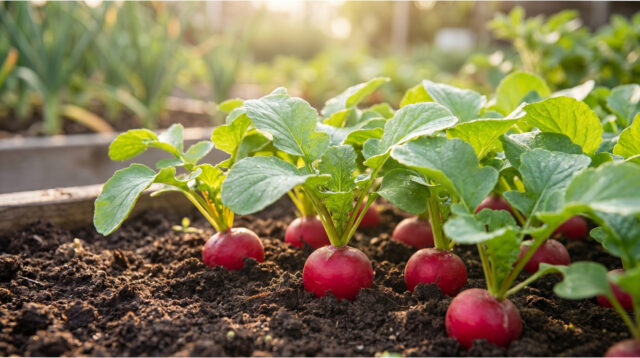
Radishes are among the fastest crops in the garden. That’s why they’re popular with both beginners and experienced gardeners. But their rapid growth also means the plant doesn’t have much time to recover from mistakes. If it lacks water, gets too hot or is sown too densely, you’ll see the effects within days.
The most common problems are a spicy taste, cracking bulbs, woody texture and bolting. Each of these issues has a slightly different cause, but they often share the same root: stress. Radishes want to grow quickly, evenly and without major fluctuations.
Why radishes struggle in warm weather
Radishes prefer cooler, moist conditions. In spring, they grow beautifully, staying juicy and tender. But as soon as the weather turns hot, days get longer and the soil dries out, they tend to age quickly, become spicy and bolt.
That doesn’t mean you can’t grow them later in the season. They just need the right spot, regular watering and quick harvesting. In hot weather, it’s better to sow smaller batches gradually, and ideally in partial shade rather than a sun-baked bed.
Why radishes become spicy
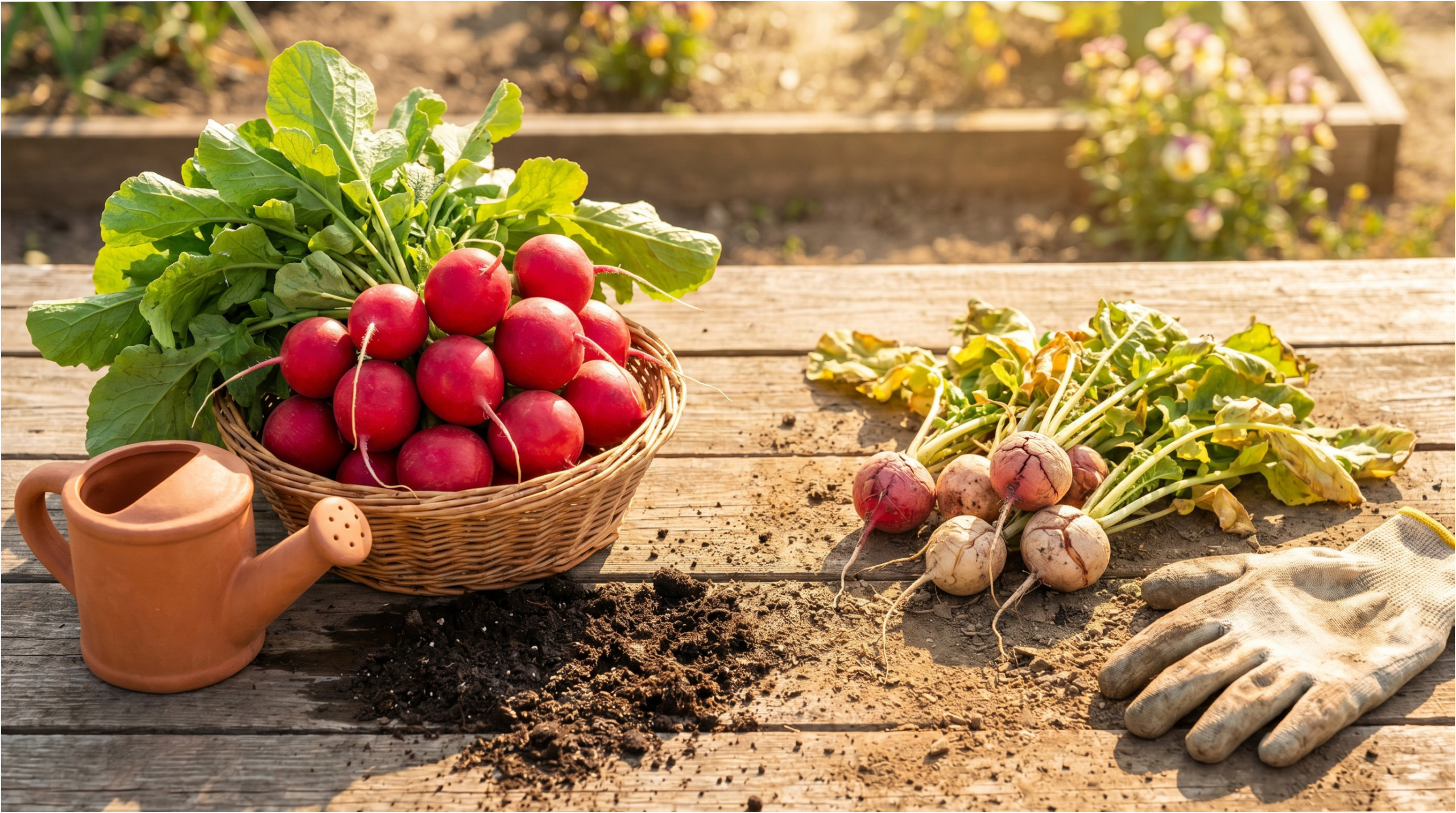
Spiciness in radishes is most often linked to drought, heat and slow growth. If the plant doesn’t get enough water, the bulb develops unevenly and the taste becomes sharper. The longer a radish stays in the ground under stress, the spicier it can get.
Overgrown radishes also tend to be spicy. If you leave them in the bed too long, they lose their mildness and start to age. It’s better to harvest them while they’re small and tender rather than wait for them to get huge.
Why radishes crack
Cracking is mainly caused by irregular watering. A typical scenario: the soil dries out for several days, the radish slows its growth, and then a heavy watering or rain arrives. The bulb quickly soaks up water and cracks.
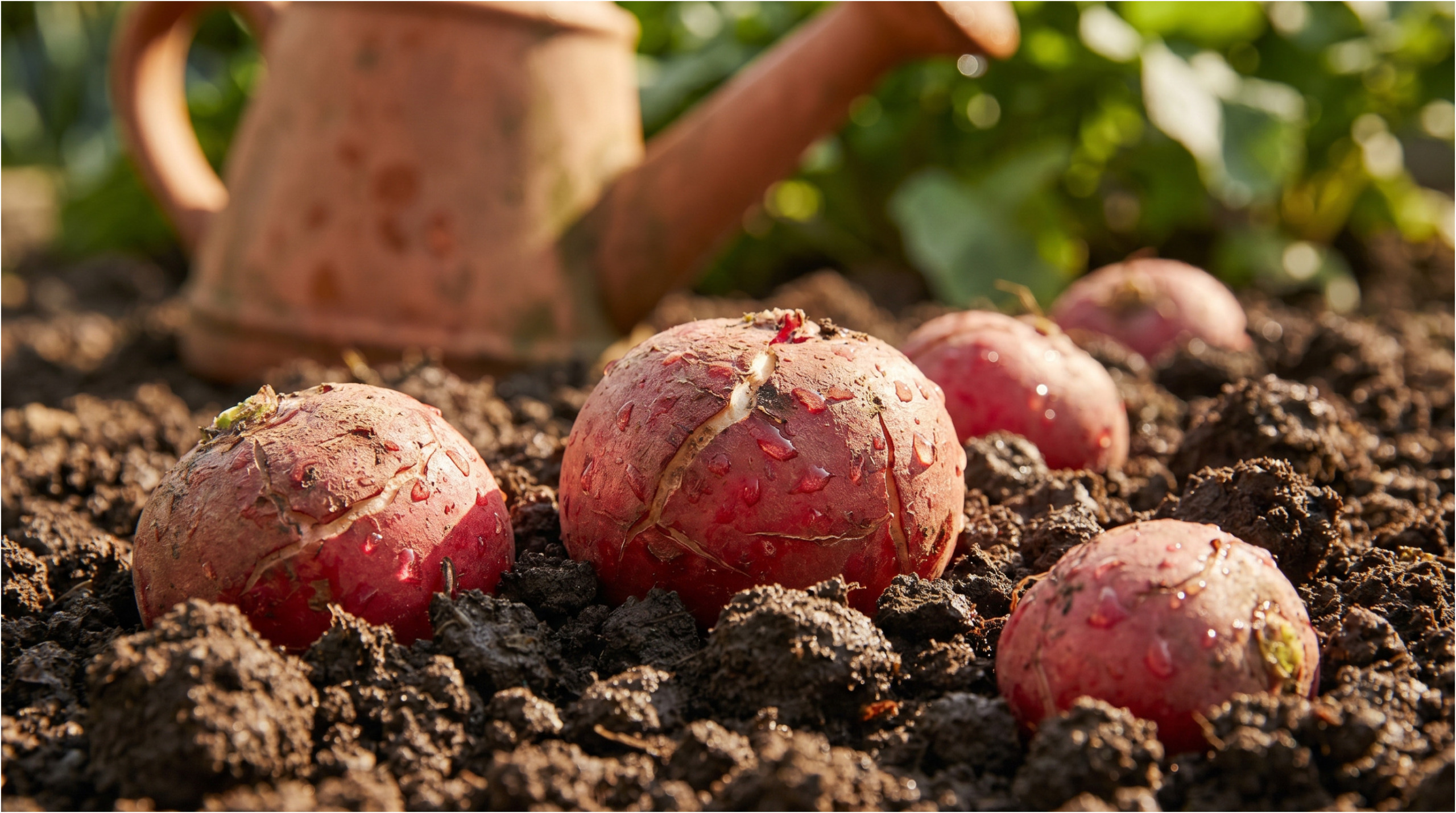
The best prevention is even moisture. The soil shouldn’t dry out completely, but it also shouldn’t stay waterlogged. Radishes like regular, gentle watering, especially when the bulbs are forming.
Note: A single heavy watering after a long drought can do more harm than good.
Why radishes turn woody
Woodiness is often the result of late harvest, heat and lack of water. A radish left in the ground too long loses its tenderness. Instead of a juicy bulb, it becomes tough, fibrous and unpleasant to bite into.
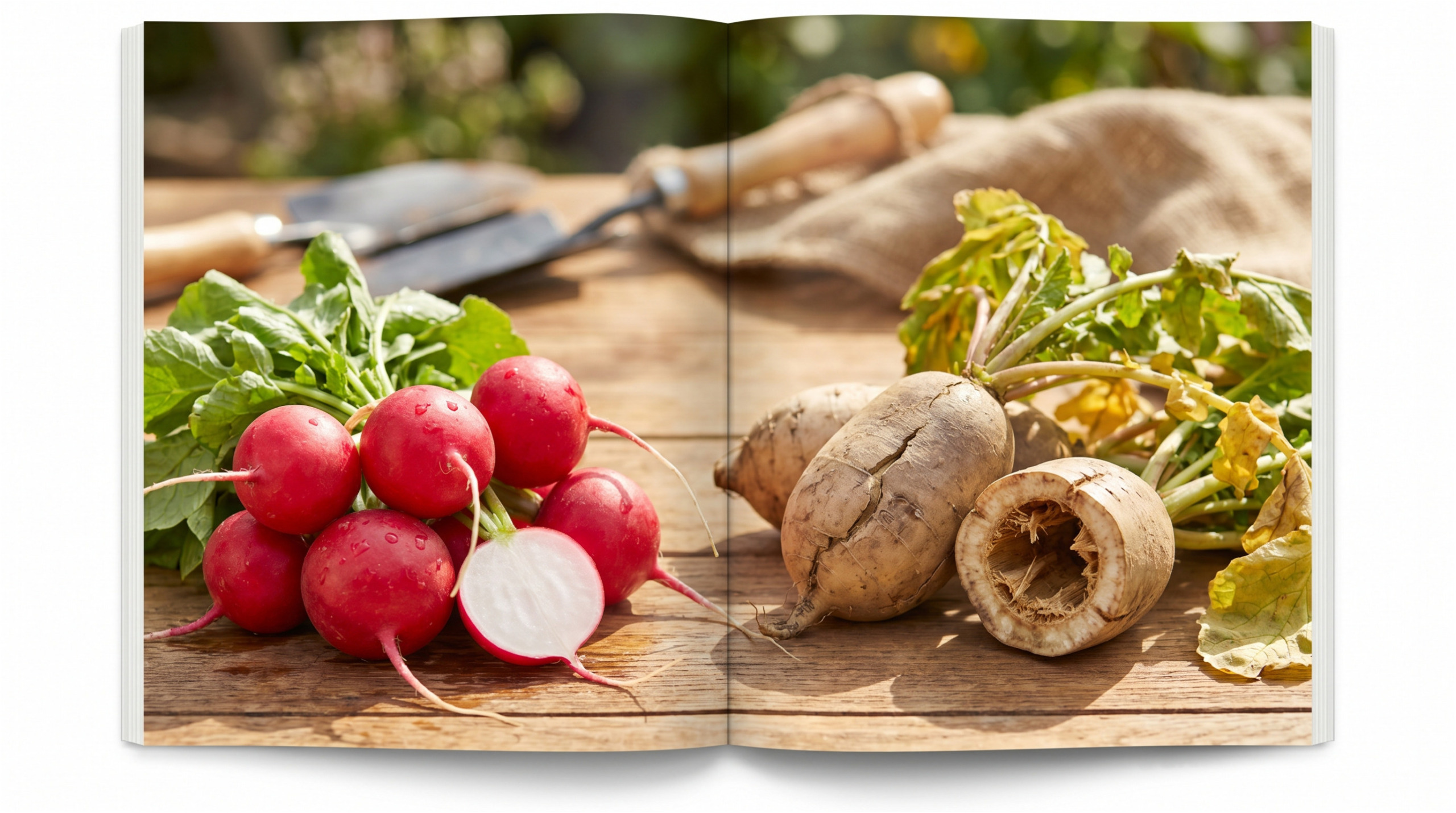
Regularly check your bed. Not all radishes grow at the same speed, so harvest them gradually. As soon as they reach the right size, don’t leave them waiting.
Why do radishes bolt
Bolting means the plant stops forming a quality bulb and starts focusing on flowering and seeds. The main triggers are heat, long days, drought, stress and sometimes sowing too densely.
Dense sowing is a common mistake
Radishes are often sown too close together. The seeds are tiny, so it’s easy to overdo it, and when the plants come up, they have no space. The result? They get leggy, form poor bulbs and some may bolt quickly.
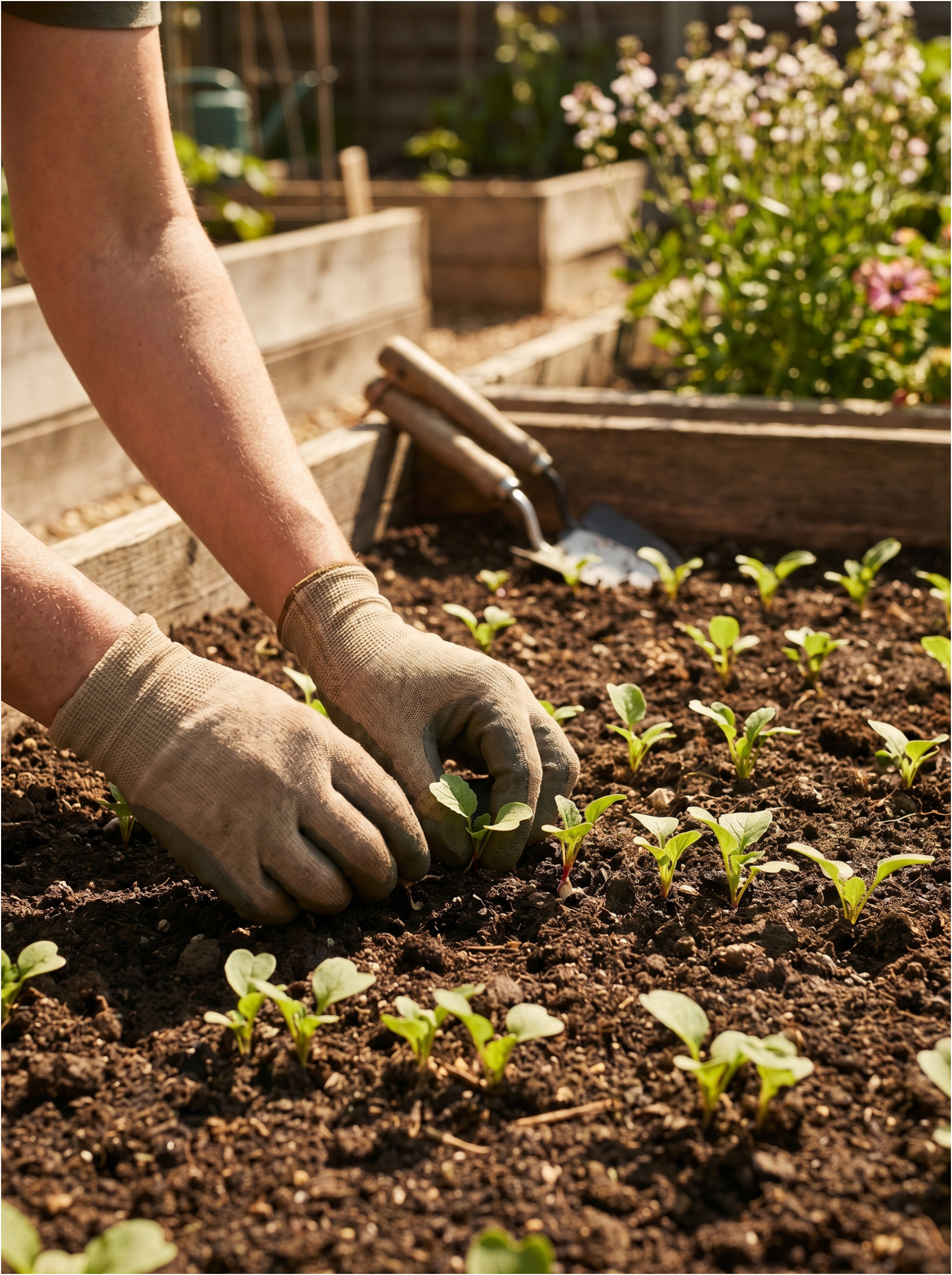
After germination, thin them out. Leave enough space between plants so each can form a nice bulb. It’s better to have fewer quality radishes than a dense carpet of weak plants.
How to water radishes properly
Radishes need regular moisture. That doesn’t mean they should stand in water, but the soil shouldn’t repeatedly dry out completely. The best is gentle watering at the roots, ideally in the morning or evening.
After sowing, water carefully so the seeds don’t wash away. Once the plants have sprouted, keep the soil evenly moist. Consistent watering is the most important factor for tender flavor and nice bulb shape.
When to harvest radishes
Harvest radishes on time. Don’t wait for them to get too big. As soon as the bulbs reach the right size for their variety, pull them up. Younger radishes are usually milder, juicier and less spicy.
If you delay harvesting, you risk woodiness, spiciness and cracking. In warm weather, the difference between a good and overgrown radish can be just a few days.
Can you still sow radishes later?
Yes, but you need to choose the right spot and account for the heat. Summer sowings do better in partial shade, in lighter soil and with regular watering. Nonwoven fabric can also help, protecting the sowing from drying out and pests.
On hot days, sow in the evening and water the bed well beforehand. Seeds must not dry out after sowing, otherwise germination will be poor and uneven.
Should you fertilize radishes?
Radishes usually don’t need heavy fertilization. They grow quickly, and what matters most is loose soil, water and the right timing. Too rich or freshly fertilized soil can encourage leaf growth, but the bulbs may not be as nice.
Just prepare the bed lightly before sowing, loosen it and if needed, add a bit of mature compost. Strong homemade fertilizers, yeast or excessive nitrogen are not necessary for radishes.
What to watch out for after rain
Rain can help radishes if it comes after a mild dry spell. But if it hasn’t rained for a long time and then there’s a sudden downpour, bulbs may crack. After heavy rain, check your bed and harvest any radishes that are already the right size.
The most common mistakes when growing radishes
- Sowing too densely without thinning.
- Irregular watering.
- Sowing into hot, dry beds.
- Late harvest.
- Growing in full sun during the hottest weather.
- Excessive nitrogen fertilization.
- Leaving bolted plants to take up space unnecessarily.
Quick steps for tender radishes
Sow them into loose soil, not too densely. After sprouting, thin the plants so they have space. Water regularly and don’t let the soil dry out completely. In warm weather, choose a spot with light partial shade and harvest on time.
If some plants bolt, remove them. They won’t produce quality bulbs anymore and just take up space for other crops.
Tender radishes are no accident
Radishes become spicy, crack or bolt mainly when they experience stress. Most often it’s due to drought, heat, irregular watering, dense sowing or late harvest. If you give them even moisture, space and quick harvesting, they’ll be much juicier and milder.
They’re not a complicated vegetable, but a crop that needs consistency. That’s what decides whether you pull crisp radishes from your bed, or spicy and cracked bulbs that won’t bring joy to your plate.
Most often due to drought, heat, slow growth, or late harvesting. Regular watering and timely harvesting while the bulbs are young and tender helps.
Cracking is mainly caused by fluctuations in watering. When the soil dries out and then a lot of water comes at once, the bulbs quickly absorb moisture and crack.
Bolting is encouraged by heat, long days, drought, stress, and too dense sowing. Once the plant bolts, the bulb tends to be hard and less tasty.
Yes, but they do better in partial shade, in evenly moist soil, and with gradual smaller sowings. In the heat, it is necessary to monitor watering.
Usually not strong ones. Loose soil and possibly a bit of well-aged compost are sufficient. More important are regular moisture, space, and timely harvesting.