
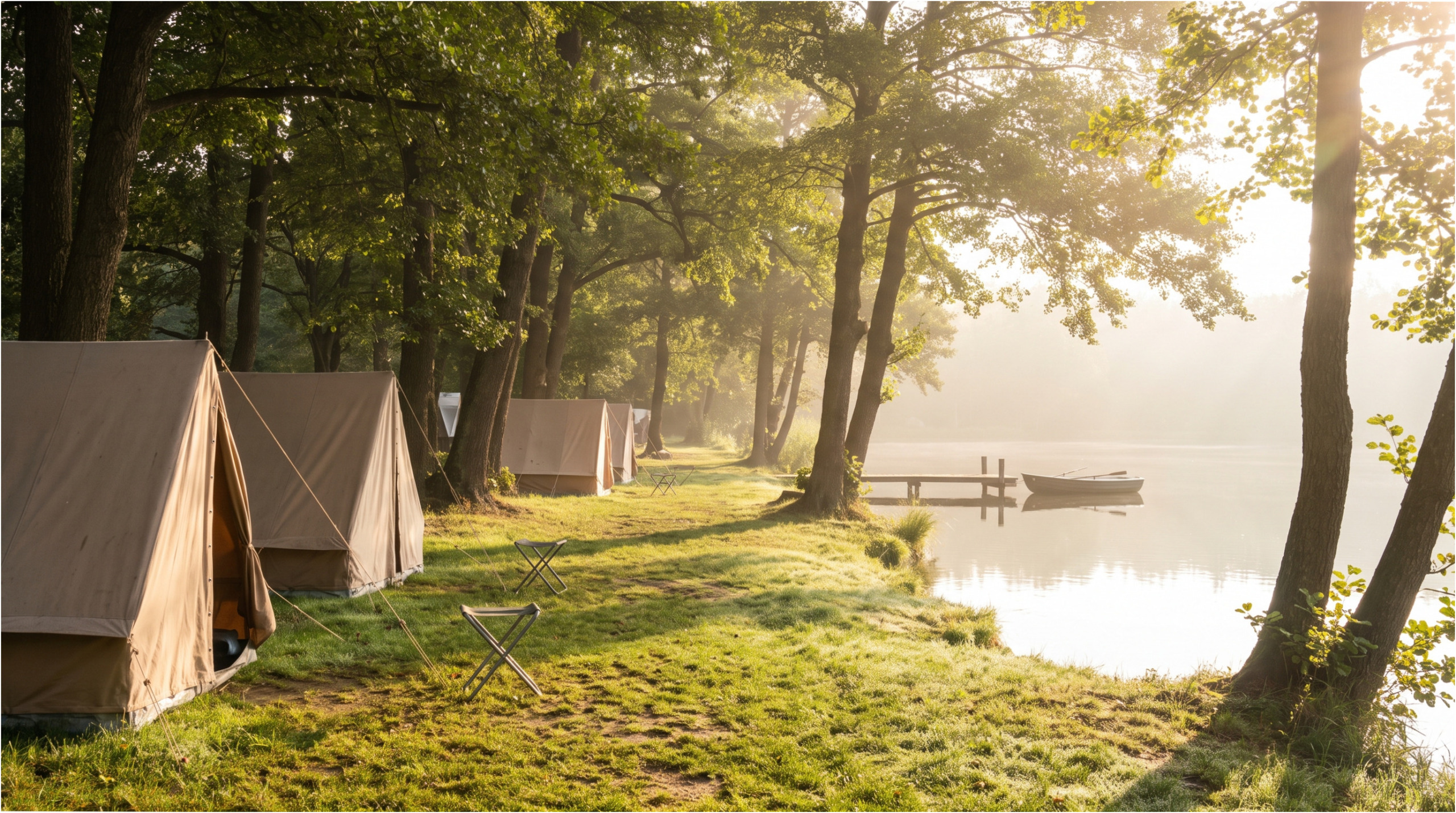
We had been planning our summer camping holiday by a South Bohemian pond with family and friends for several months. We chose a quieter, family-oriented campsite in a pine forest, which proudly advertised on its website and in its rules strict enforcement of quiet hours after 10 p.m., so families with children could rest in nature. We paid considerable fees for two tent spots, a car, and recreational charges to the municipality, looking forward to peaceful evenings by the water, roasting sausages, and waking up to birdsong.
The first two days went perfectly. But on Friday afternoon, two older cars arrived in the tent zone, out of which stepped a group of about eight young people. Even as they were setting up large party tents, it was clear they weren’t there for peace and quiet. They opened crates of hard liquor and placed a huge wireless speaker, the size of a travel suitcase, on a folding table.

At exactly ten o’clock in the evening, when most families were putting their tired children to bed, the real nightmare began. Instead of quieting down, the group turned the speaker up to maximum volume. The forest shook with heavy bass and aggressive electronic music that made the tent walls vibrate within a fifty-meter radius. On top of that came drunken shouting, vulgar yelling, and smashing empty bottles on the stones by the shore. In our tent, the children couldn’t sleep, were scared by the noise, and cried.
Around midnight, when the situation had become unbearable and other sleepless campers were emerging helplessly from their tents, I headed to the camp reception. At the entrance barrier, the night watchman sat in a glass booth wearing a reflective vest. I calmly asked him to go deal with the group and turn off the music, as they were blatantly violating the camp rules and no one in the area could sleep.
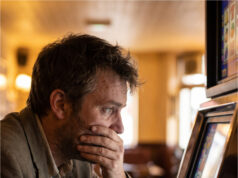
The guard looked at me helplessly, shrugged, and bluntly told me he wouldn’t go there alone because they were drunk, aggressive, and he didn’t want to get into a fight for a few euros an hour. He said he’d already tried to talk to them at eleven, but they told him off and there was nothing more he could do. When I pointed out that the camp is responsible and its rules allow for expelling problematic guests, he just looked away and kept watching his small TV.
I realized the official camp service was completely useless and afraid to do their job. I returned to the tents, where four other angry fathers were already standing. We agreed that we wouldn’t tolerate such inconsiderate behavior all night. Instead of risking a physical confrontation with the drunk group, I pulled out my phone and dialed 158. I described the situation to the police dispatcher: massive disturbance of nighttime peace in a recreational area, an aggressive drunk group, and total inaction from the camp management.
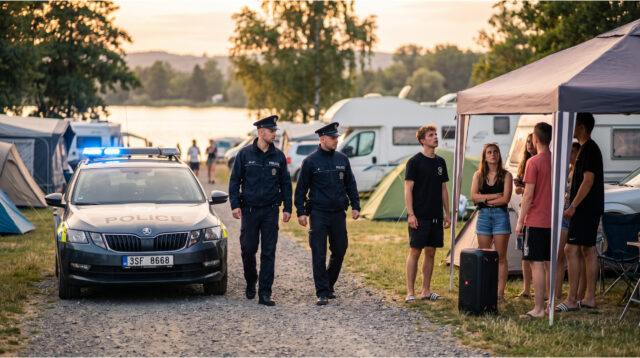
Twenty minutes later, two police cars quietly entered the area. Four uniformed officers headed straight for the thumping party tent. Within seconds, the music stopped. The police asked for IDs from all participants, immediately ordered the speaker packed away in the car, and gave the owner the highest possible on-the-spot fine for disturbing the peace. The officers also went to the reception, where they sharply reprimanded the night guard for failing in his security duties.
The rest of the night passed in absolute silence. In the morning, the entire group packed up their tents and slipped out of the campsite with their heads down before anyone else woke up. We demanded and received a discount from the camp manager for their staff’s failure. It was a clear lesson for us: when the security responsible for order fails, there’s no point letting your night be ruined—calling the state police is the only effective solution.