

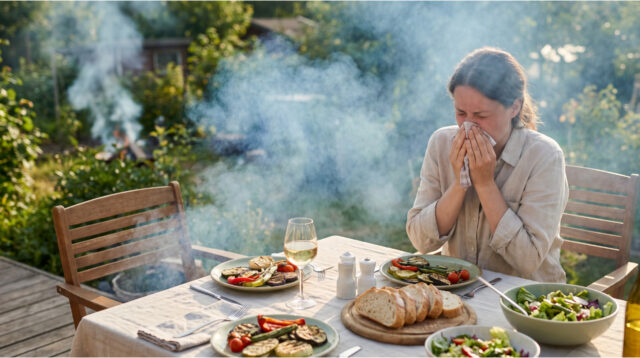
We have our garden in a peaceful colony on the edge of town mainly so we can escape the office and get some fresh air after a long week. It’s a place where, on Fridays, you want to sit in an armchair, open a book, throw some meat on the grill, and enjoy a quiet dinner on the terrace. Most people in the colony feel the same way. During the day, lawns get mowed, beds are weeded, fences are fixed, and by evening, the work quiets down so everyone can enjoy the warm summer dusk.
Except for Mr. Josef from the neighboring plot. Josef is a retiree who spends every day in his garden from morning till night, seven days a week. He has all day to do whatever he wants. Yet, he has one incredibly inconsiderate ritual that he sticks to with iron regularity. Every time the sun starts to set, the wind dies down, and families in nearby gardens set their tables for dinner, Josef grabs his rake.
Instead of putting the cut grass and pulled weeds into the composter or taking them to the brown bin by the entrance, he piles up a huge mound of fresh, damp yard waste in the corner of his plot—of course, right by the fence, barely ten meters from our pergola. Then he strikes a match, throws on a few dry branches, and lets the wet heap slowly smolder.
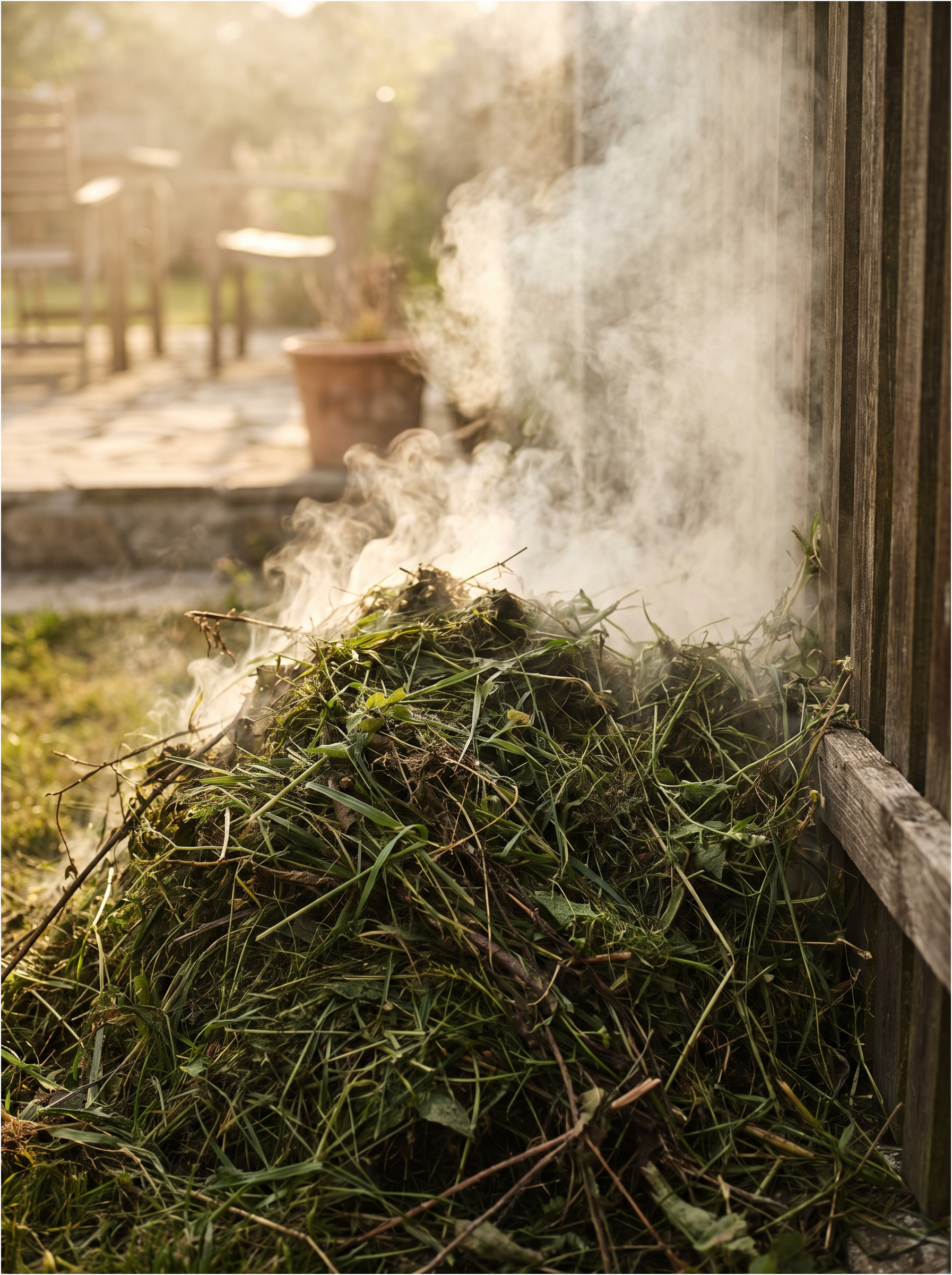
When there’s no wind, every gardener knows what happens: fresh grass doesn’t burn with a flame, but starts to produce thick, acrid, heavy white smoke. Within five minutes, an impenetrable fog settles over the lower part of the colony. The air stings your eyes, your nose runs, and you can’t breathe on the terrace. Instead of the smell of grilled food, you’re swallowing smoke from rotting weeds. We have to immediately grab our plates, run inside the cottage, shut all the windows, and sit behind closed doors in the summer heat, because you’d suffocate outside. The laundry drying on the line might as well go straight back into the washing machine.

When I went to the fence two weeks ago to try to resolve the situation with a normal, friendly conversation, I hit a wall. I calmly said to him: “Mr. Josef, you have all day for this, the grass is wet, and the smoke goes straight to where people are. Can’t you let it dry, put it in the compost, or at least burn it at noon when nobody’s sitting down to eat?”
Josef leaned on his pitchfork, blew out smoke from a cheap cigarette, and replied with complete indifference: “Young man, I’ve been gardening here for forty years and fire has always been part of it. I can’t burn during the day, it would dry out my tomatoes, and you can eat your sausages indoors. No one’s going to tell me what to do.”
This stubbornness and the feeling that he can pollute half the valley whenever he wants on his own land finally shattered my illusions about neighborly agreements. When talking didn’t work, I joined three other neighbors and turned to the colony committee and the local council. Josef was clearly reminded that burning biological waste other than dry wood is prohibited by municipal ordinance, under threat of a hefty fine. The pile didn’t disappear from the corner right away, but Josef understood that his evening smoke signals would no longer be tolerated. The garden is once again a place where you can breathe freely in the evening.