

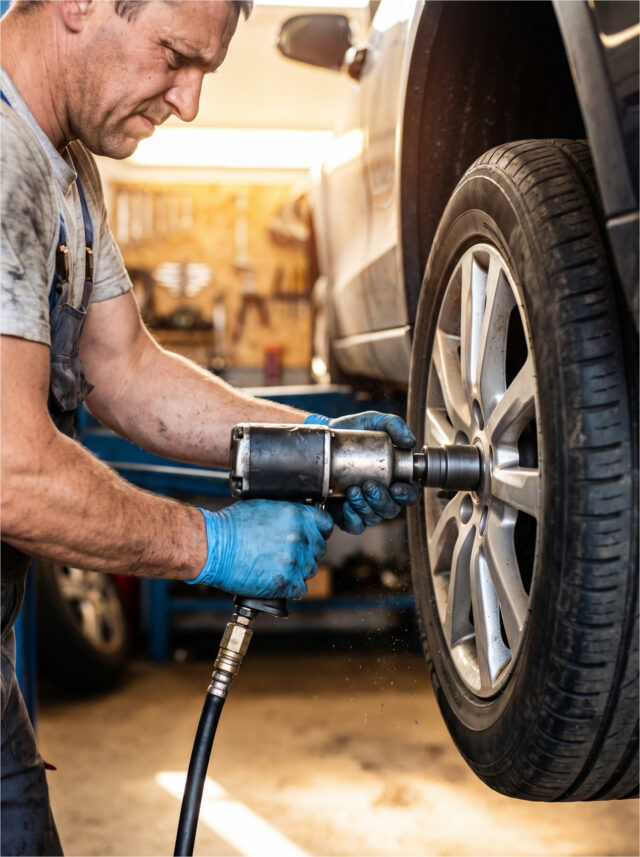
The annual tire change at the start of spring is usually a routine half-hour task for most drivers. I’ve always taken good care of my car. It’s not a luxury showroom model, but a reliable ten-year-old petrol hatchback that gets regular servicing, has clean wheel hubs, and I always keep all mechanical parts in perfect condition. My regular mechanic was fully booked for two weeks, so pressed for time, I headed to a large, modern-looking tire shop on the city’s outskirts.
The workshop was in classic seasonal chaos. Cars stood on three lifts, mechanics rushed back and forth, and the constant noise of pneumatic wrenches filled the air. The service advisor wrote down my car’s license plate, tossed the keys onto the counter, and sent me to wait in a glass-walled lounge with a coffee machine. I watched the whole process through a big window. A young guy in dusty overalls came to my car. The way he was removing the wheels already made me uneasy—no finesse, just brute force with the impact wrench.
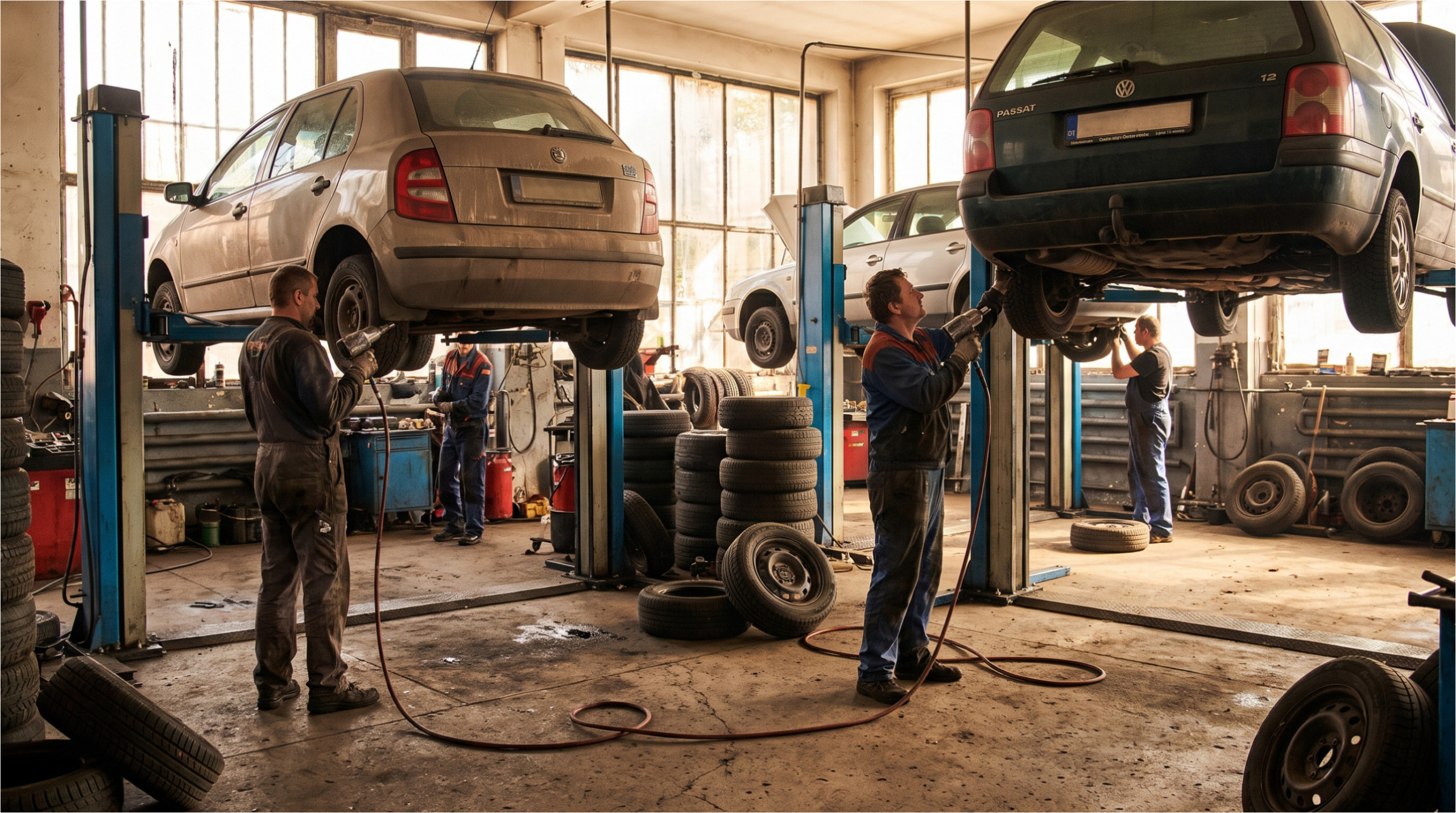
But the real problem came when mounting the summer wheels. Instead of starting the bolts by hand for a couple of turns to make sure they were aligned with the hub’s thread, he grabbed the bolt, shoved it straight into the heavy pneumatic gun, and rammed it into the wheel at full power. Through the glass, I saw the wrench suddenly jam in his hands, jerk, and the mechanic angrily pushed into it with his whole body. He squeezed the trigger again and forced the bolt to spin. He stared helplessly at the wheel for a moment, tried to unscrew the bolt, but it just spun uselessly in the hub.
Five minutes later, he came into the waiting room with greasy hands and put on a smug, rehearsed expression. Without hesitation, he told me: “Sir, the thread in the right front wheel knuckle is completely stripped. The bolt won’t hold at all—it’s dangerous, and we can’t release the car to you like this. You’ll have to pay for a new wheel hub and an extra hour of mechanic’s labor.”

I just stared at him in disbelief. I asked how it was possible that the car arrived with all four bolts firmly tightened, and the thread got destroyed precisely when he was ramming the bolt in with the impact wrench. The mechanic just smirked arrogantly, shrugged, and snapped: “Look, you brought in a ten-year-old beater. The material was worn out from age, the bolt was rusty, and it just couldn’t take it. That’s not our responsibility, it’s normal wear and tear.”
This outrageous lie and attempt to blame his own incompetence on the car’s age made me furious. I stood up, walked straight into the workshop to my car, and called for the shop manager. In front of everyone, I pulled out the bolt, which clearly showed fresh, silver steel shavings from being forced in at an angle. I firmly reminded the manager of the proper procedure for mounting wheels: bolts must always be started by hand and tightened with a torque wrench to the specified setting—not rammed in with a pneumatic gun at maximum power. I added that I had watched the entire situation through the glass wall of the waiting room, and if they refused to accept responsibility, I would file a damage report, call in a court-appointed engineering expert, and notify the Czech Trade Inspection Authority.

The manager could see he wasn’t dealing with a layman who could be fooled with stories about “material fatigue.” He looked at the stripped bolt, shot a stern look at the young mechanic, and immediately changed his tone. Without further discussion, he admitted the shop’s mistake. That same day, they ordered a new original part at their own expense, provided a replacement vehicle, and returned my car in perfect condition with an apology and free tire change. It was a tough lesson for me: with tradesmen and service shops, it pays not to let yourself be brushed off and to stand your ground, because some amateurs will blame anything but themselves just to avoid paying for their mistakes.