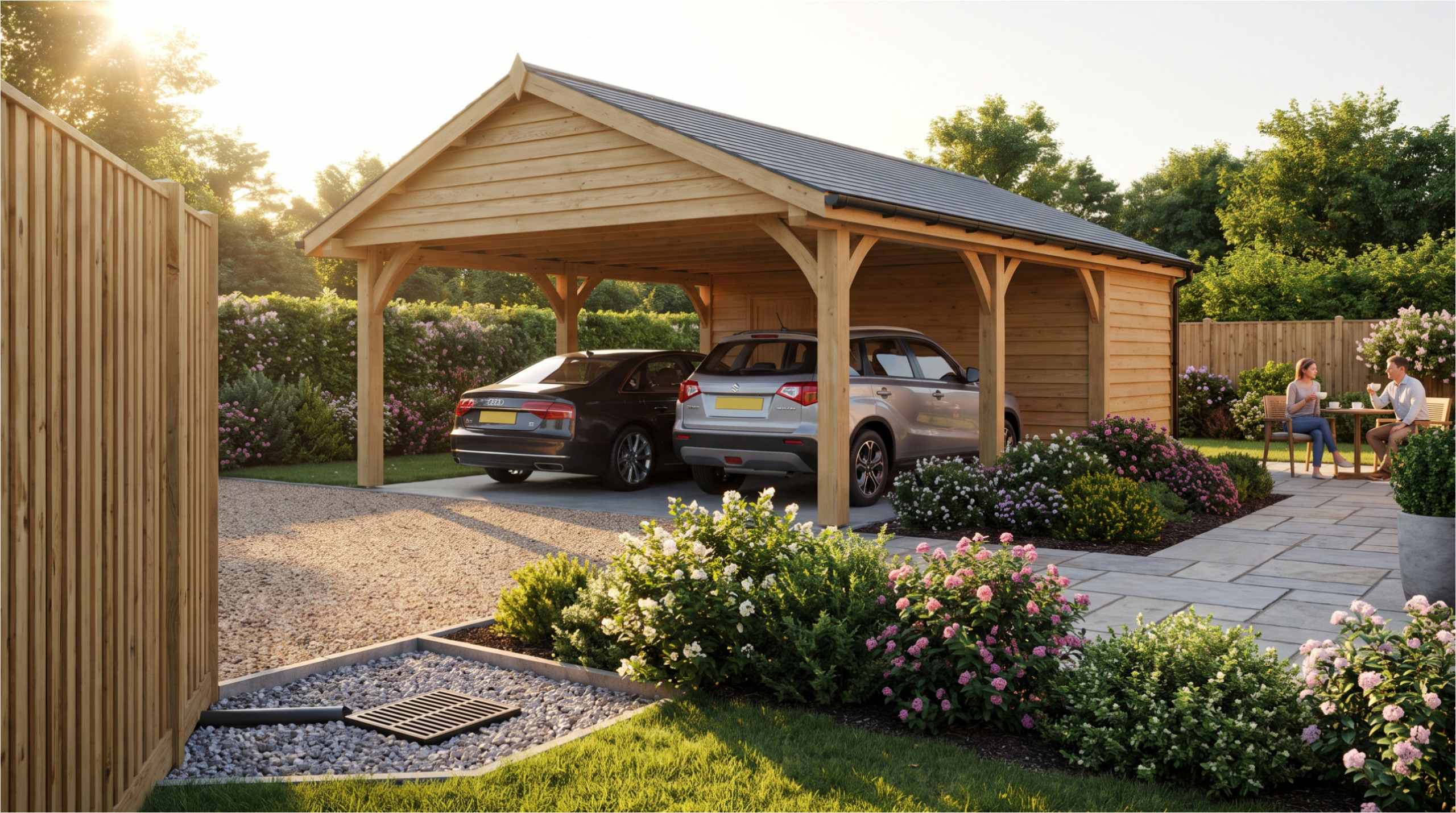


When you build or renovate anything on your own property, you quickly realize that the manual labor is actually the easiest part. The real ordeal is the construction bureaucracy and your dependence on the people behind the fence. Last spring, I decided to finally solve the parking situation in front of my house. I wanted to build a simple wooden carport for two cars with a gable roof on a paved area next to the driveway. Because it was a structure under twenty-five square meters and only a meter and a half from the property line, I needed, according to building regulations, a zoning approval and a written signature from my neighbor, Mr. Koudelka.
Up until then, Koudelka and I had maintained a standard neighborly neutrality—we greeted each other over the fence, exchanged a couple of words about the weather, and that was it. I printed out the site plan from the project, grabbed the architectural drawing, bought a bottle of good wine, and headed to his gate.
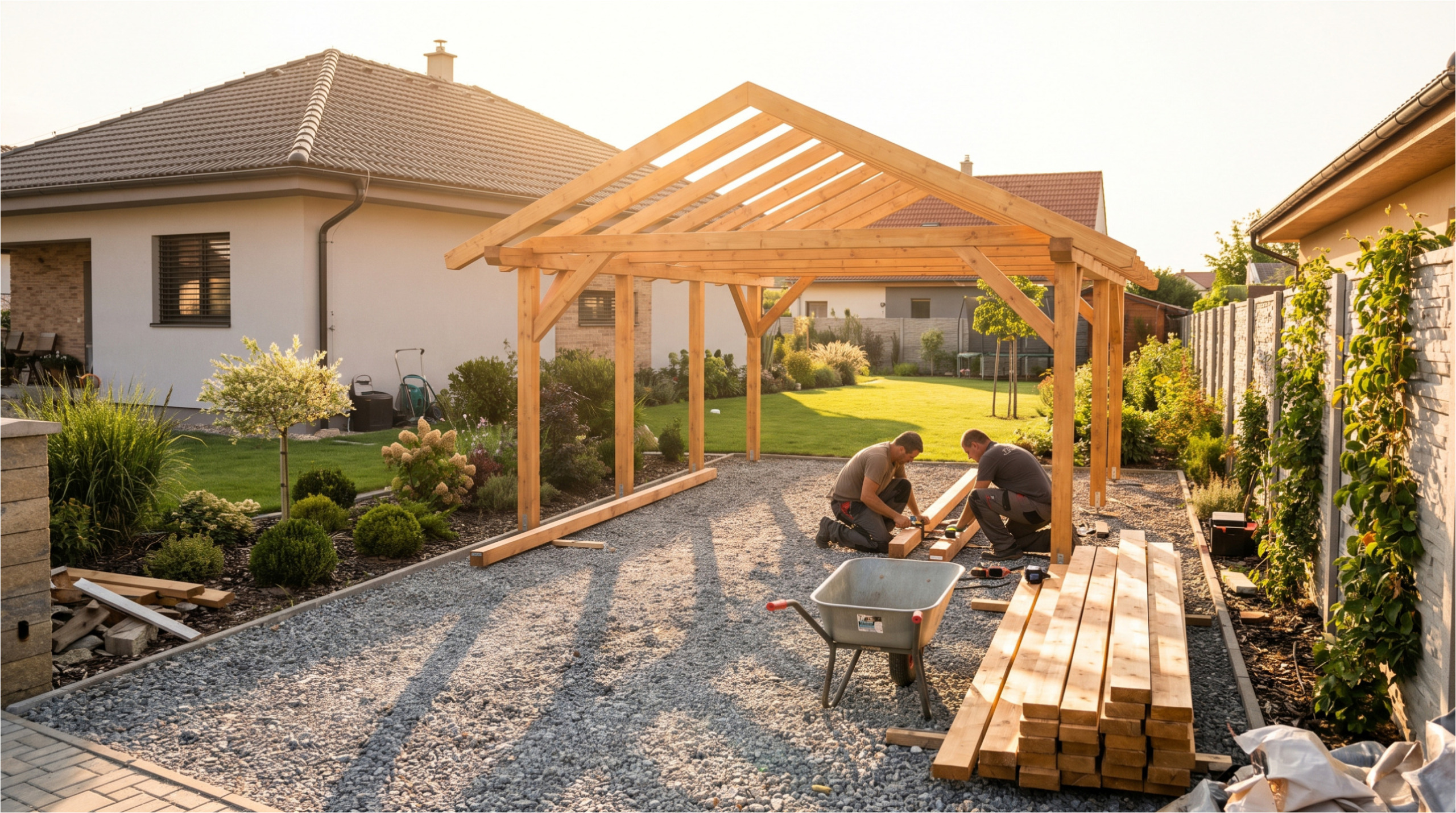
Koudelka invited me into his workshop, laid the drawing on the workbench, and started studying it carefully. Everything checked out: the ridge height, the distance from the fence, even the color of the roofing matched the neighborhood. Koudelka scratched his chin, nodded, and said, “Looks decent. But I see that according to the plans, you’re digging a large soakaway pit for a cubic and a half of rainwater right here in the corner.”
I confirmed it. Nowadays, building authorities no longer allow rainwater to be drained into the municipal sewer or onto the street, so I had to invest in an underground retention tank with soakaway blocks for about fifty thousand crowns.
At that moment, Koudelka leaned on the vise, put on a sly smile, and said matter-of-factly: “You see, neighbor. You have the excavation and the pit ready, and I happen to have water running from my old garage into my yard because I have nowhere to drain it. I’ll sign that paper for the building office. But on one condition—you’ll run a pipe under my fence at your expense and connect my downspout to your new pit. Otherwise, I won’t give my consent and you’ll be waiting at the office.”
I just stared at him in shock. Koudelka had a decades-old garage with a rusty gutter that poured water straight onto the public road every time it rained. The municipality had already threatened him twice with a fine to fix the drainage on his plot. Instead of paying for an excavator and digging his own soakaway, he decided to solve the problem through covert blackmail. He wanted to use my expensive pit for free, exceed its capacity, and even expected me to pay for the excavation and pipes on his property.
Once I regained my composure, I calmly told him: “Mr. Koudelka, the pit is sized exactly for the area of my new roof. If you add more water, during a heavy downpour it will overflow and flood my foundation slab. Not to mention, I’m not paying for excavation on your property.”
Koudelka put down his pen next to the unsigned form and coldly remarked: “In that case, I won’t sign the consent. You can go through the regular permitting process at the office. I’ll file an objection for shading, car noise, and disturbance of residential comfort. By the time the officials reject it and the appeal is resolved at the county, a year and a half will pass. So think about what’s worth it for you.”

At that moment, I gathered the papers from the table, took the wine back in my hand, and left without saying goodbye. It was an unbelievable display of freeloading and blackmail. I refused to be bullied and didn’t play his game. Instead of the fast-track zoning approval, I filed an official application to start the building permit process. It took four months longer and cost me a few extra administrative fees, but Koudelka’s absurd objections about “noise from parking a single car” were thrown out by the building office as completely unfounded.
The carport stands today, my roof water drains cleanly into my own pit, and Koudelka received a final warning from the municipality to fix his illegal downspout or face a fifty-thousand crown fine. Since then, we don’t even greet each other over the fence. It was a clear lesson for me: you can’t give in to neighborly blackmailers even an inch, because if you give them a finger, they’ll take your whole hand—along with your soakaway pit.