
Parent groups on apps like WhatsApp are created with the best intentions—to share information about lost slippers, arrange pick-ups, find out when the class party is, or collect money for a puppet show. But all it takes is one overzealous mom with an inflated ego, and a practical communication channel turns into a showcase of snobbery and passive aggression. That’s exactly what happened in our Ladybugs class at the local public kindergarten.
The main instigator was Mrs. Simona, mother of four-year-old Eliška. For her, motherhood was above all a matter of visual self-presentation. Her daughter came to kindergarten dressed for a fashion show—designer white dresses, patent leather shoes, branded accessories. Simona herself spent hours photographing her daughter at the lockers and sharing perfect outfits in the parent group, writing about how important it is to teach children about aesthetics from diapers.

Most parents took it with a grain of salt. After all, kids go to kindergarten to run around the yard, dig in the dirt, paint with tempera, and build sandcastles in the sandbox. My five-year-old son Kuba is a lively, curious child. We dress him in clean, quality, but practical clothes from regular stores, sweatpants with an elastic waistband, and an older waterproof jacket from his cousin, which no one minds if he gets a grass or mud stain on the knees.
Everything changed after a day-long autumn trip to the nearby forest park. The teachers had clearly asked on the notice board and in a message that children should wear waterproof shoes, older sweatpants, and clothes that can get dirty, because the forest was muddy after the rain. Kuba enjoyed the trip to the fullest—he built houses from bark, ran through the moss, and came home excited, though of course with brown knees and muddy boots. Simona sent Eliška in a white down vest with fur and pastel leggings, so the girl spent half the trip crying on a bench so she wouldn’t get dirty.
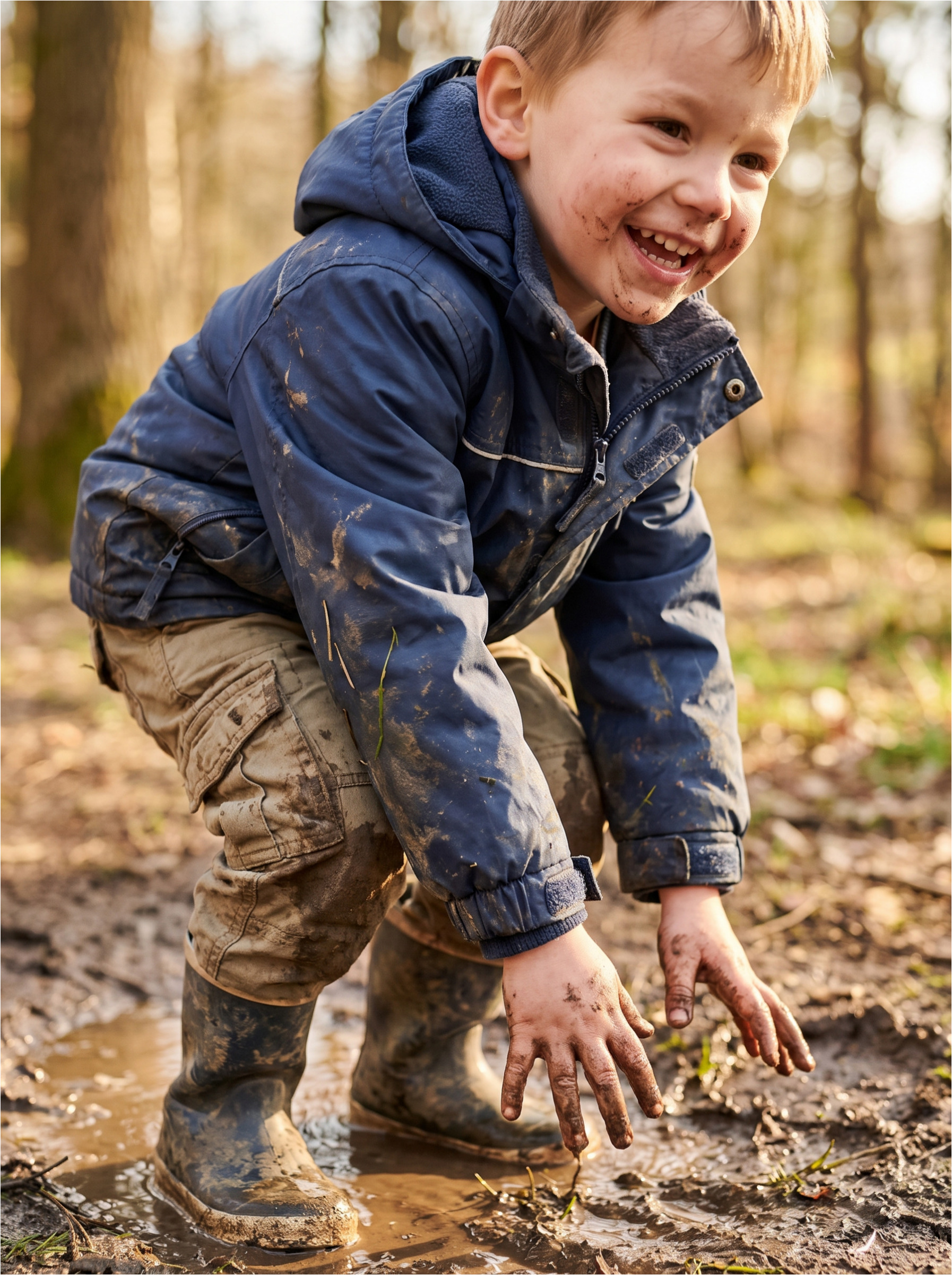
At eight in the evening, a message popped up in the group. Simona uploaded a photo from the school notice board showing a group of kids by a tree stump. Kuba was in the foreground, wearing rubber boots and an old hooded jacket. She added a long comment:
“Dear moms, I have to bring up a very sensitive topic. I find it absolutely unacceptable how some children represent our kindergarten in public. When I see some boys in worn-out clothes from thrift shops after older siblings and faded rubber boots, I honestly feel embarrassed for our class. It looks like a collection of poor kids from social services. Especially with little Kuba from the Novák family, I am shocked that the parents can’t buy a proper waterproof set from a modern brand and send him out in garden rags. At this age, children start to notice their status and we shouldn’t expose them to ridicule.”
I stared at the screen, my heart pounding. This wasn’t an innocent remark, but a targeted, public humiliation of my son and our family in front of thirty other parents we see every day in the cloakroom.
For ten minutes, there was dead silence in the group. No one replied, everyone waited to see what would happen. I felt enormous anger, but I knew that getting into a vulgar argument would be a mistake. I took a deep breath and replied with icy calm:

“Good evening, Mrs. Simona. Kindergarten is a space for children, not a fashion runway for parents to soothe their insecurities. My son goes to kindergarten to play, create, and explore nature in the forest without worrying about stepping in a puddle. He doesn’t need to wear sweatpants with a two-thousand-crown logo just so you can feel superior. The fact that you judge the worth of four-year-olds by the price tags on their clothes and publicly call them poor says nothing about our financial situation, but everything about your lack of decency and basic manners. If you have a problem with how children behave and dress in the forest, keep your daughter at home in cotton wool and stop bothering other parents with your petty snobbery.”
It took less than two minutes for the reactions to pour in under my message. Seven other moms and two dads immediately chimed in: they wrote that they fully agreed, that kindergarten should be about freedom, and that Simona’s constant talk about brands had been getting on their nerves for months. One mom even mentioned that her daughter cried all evening because Eliška told her at school she wouldn’t sit with her at the table if she didn’t have sparkly shoes.
Simona was completely unprepared for the wave of resistance. She was used to everyone silently tolerating her passive aggression. Within ten minutes, she cowardly deleted her original post and then left the WhatsApp group altogether.
The next morning in the cloakroom was peaceful. Simona brought her daughter in with her eyes on the floor, quickly changed her, and disappeared down the hallway without saying a word. Kuba happily ran to the playroom in his sweatpants, grinning from ear to ear. It was a clear example that in parent communities, you must not give in to toxic people who turn the innocent world of children into a battleground for their own snobbery. A firm and public boundary is the only way to stop such behavior right at the start.