
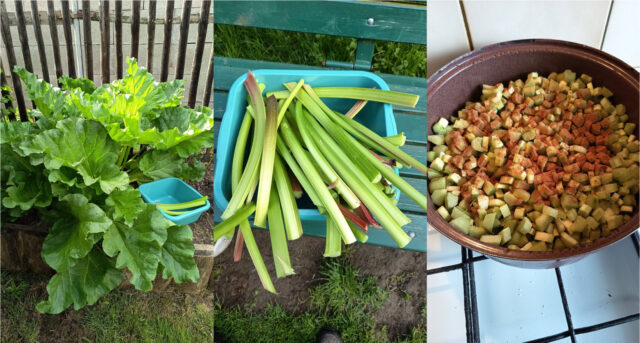
Did you grow a bumper crop of rhubarb in your garden and wonder how to process it so you can enjoy its unique flavor even months later? This rhubarb compote with cinnamon and sugar is the perfect solution. While freezing raw rhubarb cubes often leads to faded color and watery texture after thawing, this pre-cooked compote keeps maximum flavor and a wonderful texture.
The magic of this method is that you’re basically preparing a ready-to-use pie filling. In winter, all you have to do is take a container or bag out of the freezer, let it thaw, and spread it straight onto yeast cakes, shortcrust bases, or use it to fill turnovers. The addition of citric acid ensures the rhubarb keeps its beautiful fresh color. Let’s prepare this fantastic semi-finished product together.
| Parameter | Value |
|---|---|
| Preparation time | 15 minutes (peeling and chopping) |
| Cooking time | 10–15 minutes (depending on desired thickness) |
| Difficulty | Extremely easy |
| Uses | Filling for pies, cakes, yeast doughs, and desserts |
Ingredients You’ll Need
- Fresh rhubarb stalks: Amount depends on your garden harvest.
- Granulated sugar: To taste, depending on the tartness of your rhubarb (add by eye).
- Ground cinnamon: For a lovely warming aroma.
- 1 teaspoon citric acid: A key ingredient to keep the beautiful color and help preserve in the freezer.
- A splash of water: Just enough to lightly cover the bottom of the pot before the rhubarb releases its own juice.
Step-by-Step Preparation
1. Cleaning and Chopping the Rhubarb
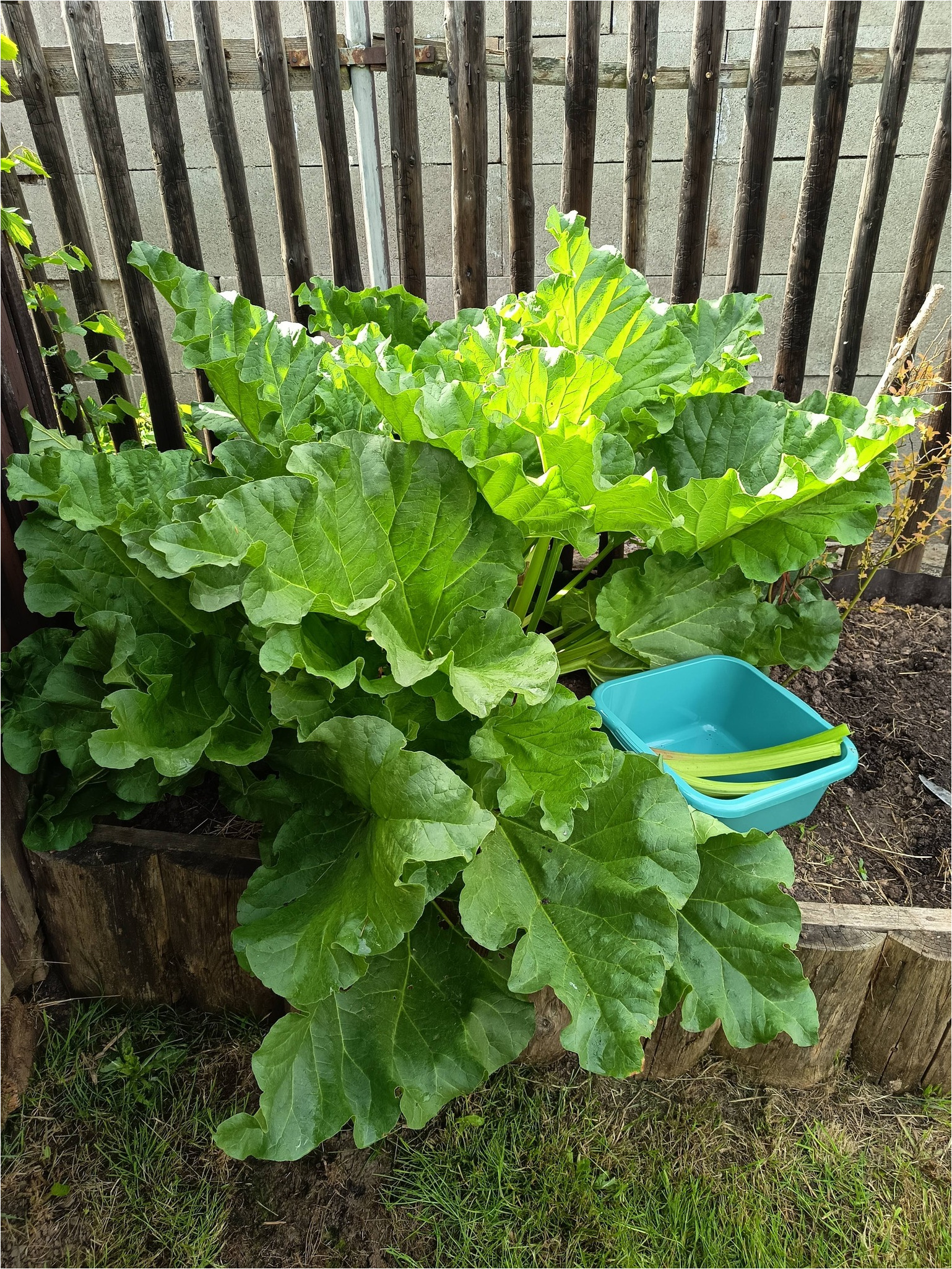
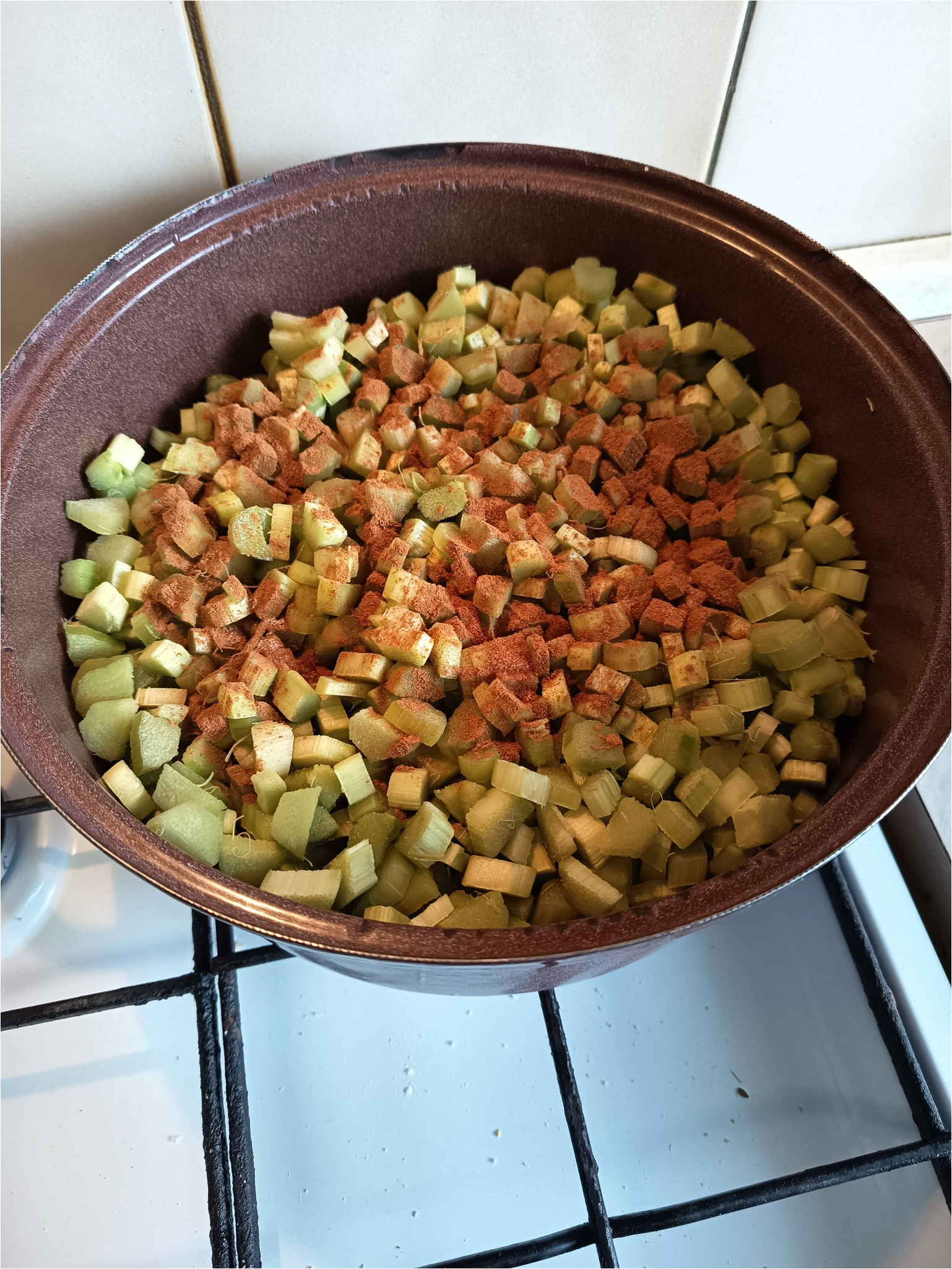
Wash the freshly picked rhubarb stalks thoroughly and cut off the leaves and bottom ends. Use a small knife to peel the stalks—pull off the tough outer fibers. Cut the cleaned rhubarb into even pieces (cubes about 1–2 cm in size).
2. Cooking Together and Adding Aroma
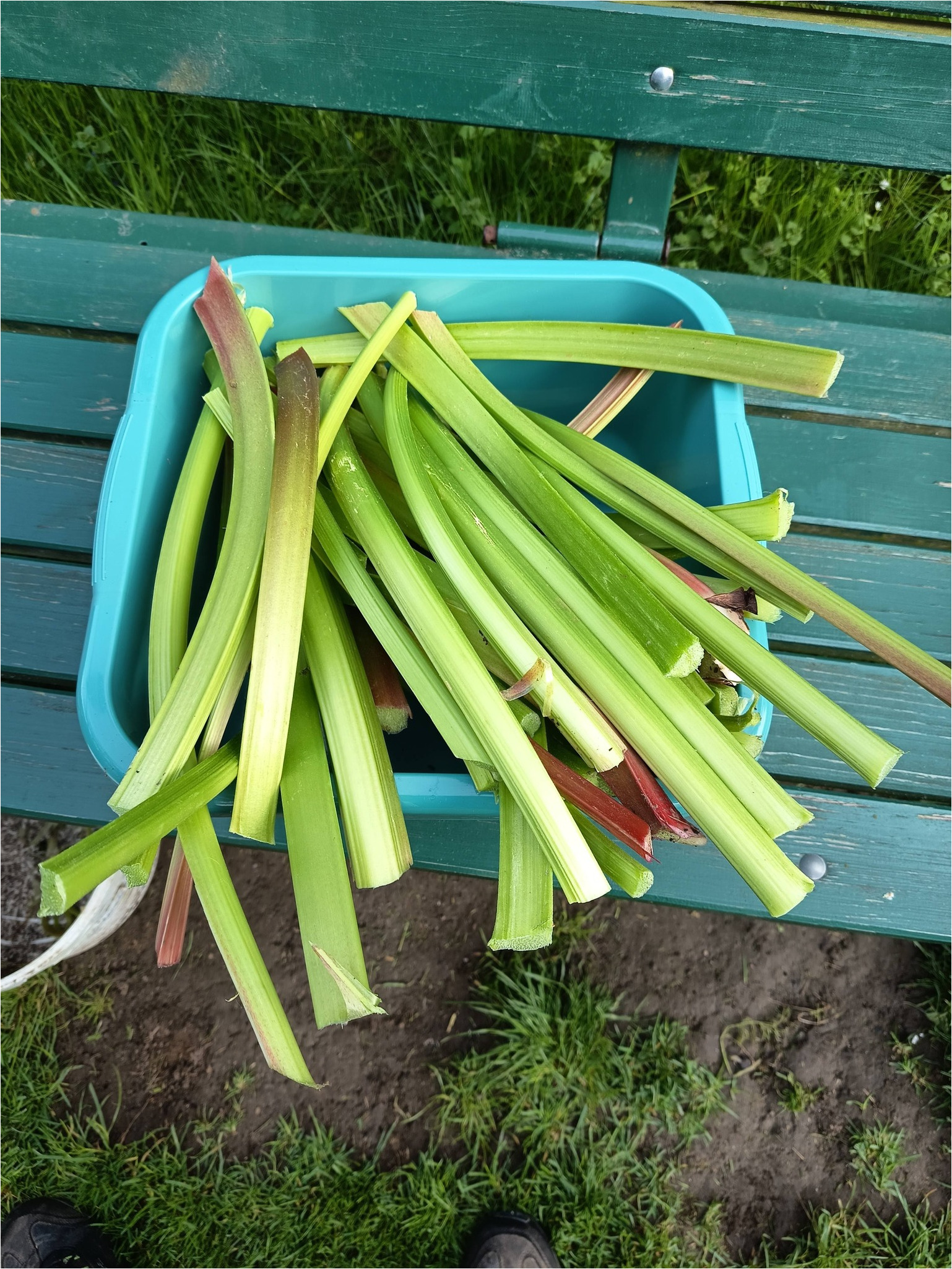
Place the chopped rhubarb in a wide pot. Add granulated sugar to taste, fragrant ground cinnamon, and one teaspoon of citric acid. Moisten the mixture in the pot with a splash of clean water—just a drop, so the rhubarb doesn’t stick to the bottom at the start.
3. Achieving the Perfect Consistency
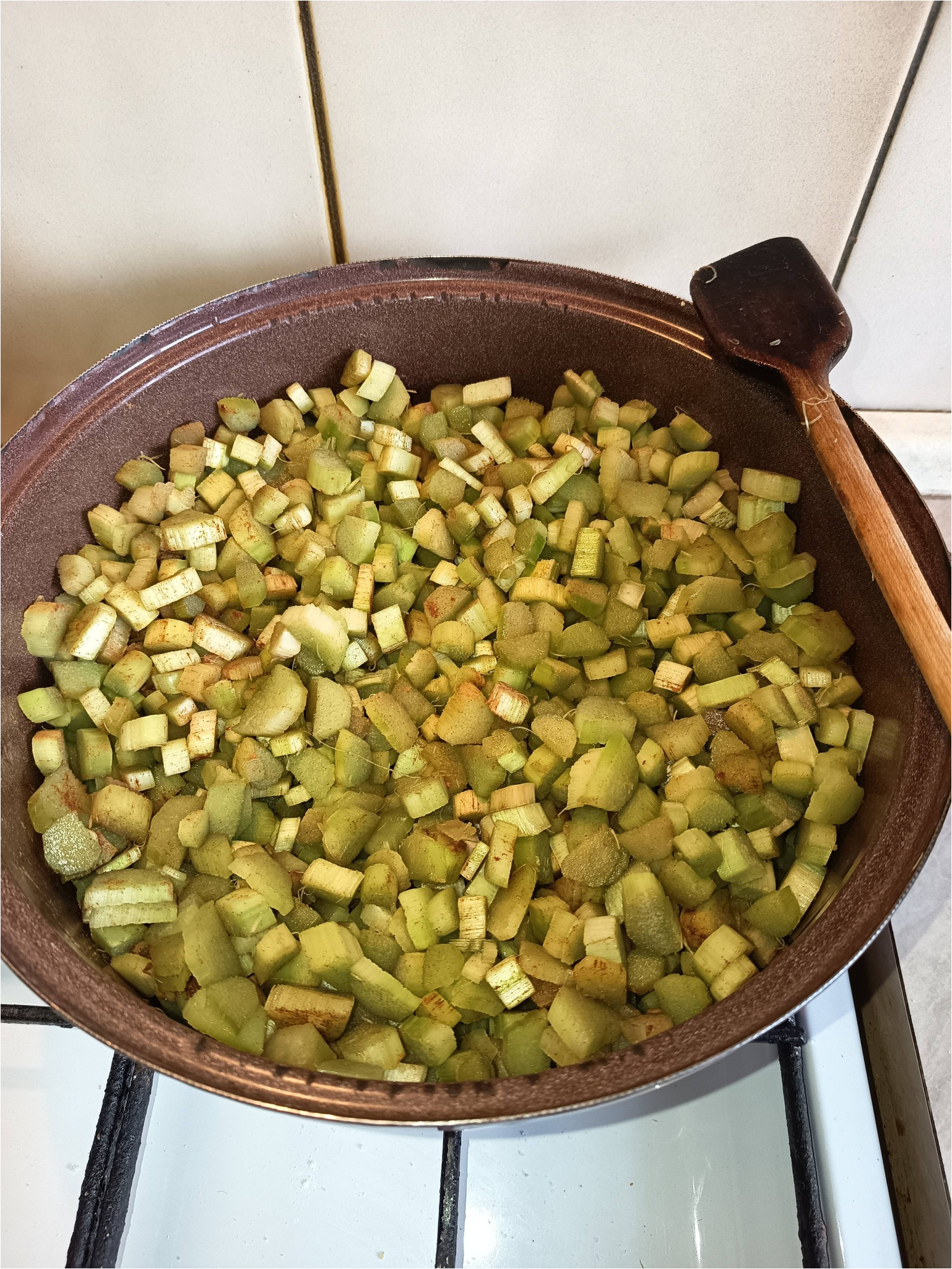
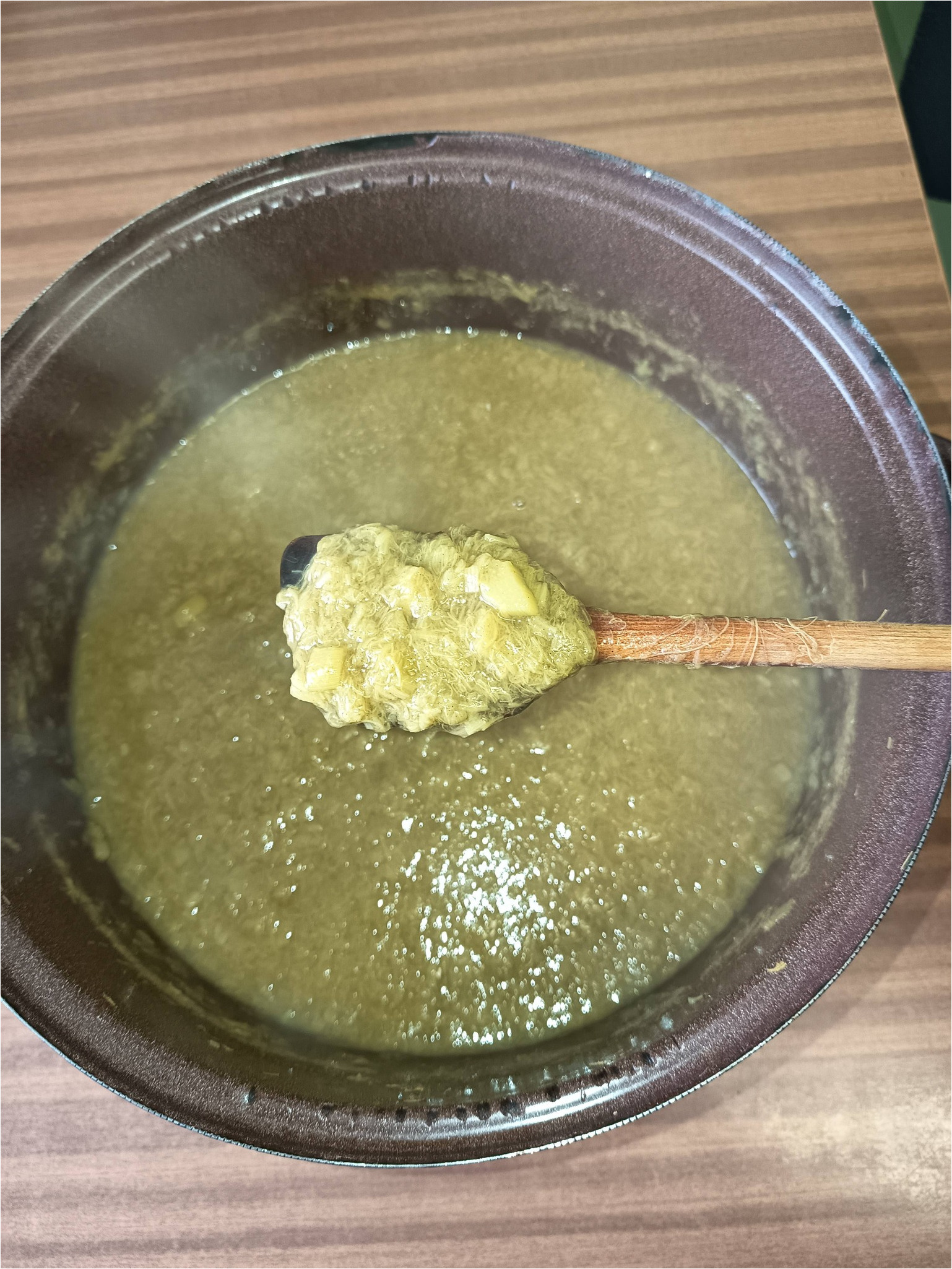
Put the pot on a low heat and warm, stirring occasionally. The rhubarb will quickly release a lot of its own juice and start to break down. Cook until you reach exactly the consistency you like and need for your baking (usually about 10 minutes for a thick, smooth purée with small bits of texture).
4. Portioning and Proper Freezing
Remove the finished rhubarb compote from the heat and let it cool completely in the pot. Then portion it into clean plastic containers or special sturdy freezer bags (it’s best to portion it in amounts you’ll use for one large pie). Label with the date and store in the freezer.
Frequently Asked Questions (FAQ)
If you have young, thin, and tender spring stalks, you don’t necessarily have to peel them; the skin will soften beautifully in the compote and will also add a more intense red color. However, older, thicker, and late stalks have very tough, stringy fibers on the surface that would be problematic in a pie – those always need to be peeled.
Thanks to pre-cooking and the addition of citric acid, the compote will stay in the freezer in absolutely perfect condition for 8 to 10 months. This way, you can easily bake a hearty rhubarb pie in the middle of a harsh winter or in the fall.
This thick compote is absolutely unbeatable as a filling for classic yeast cakes (instead of jam or cottage cheese), it works great under crumbles on shortcrust and flaky pastries, or you can stir it into yogurts, oatmeal, and parfaits. However, for a classic fluffy fruit cake, it’s better to leave the rhubarb in whole pieces so that the batter doesn’t become too runny.
Homemade rhubarb compote is the perfect way to save a piece of your spring garden for later and make your winter baking as easy as possible. Enjoy!