
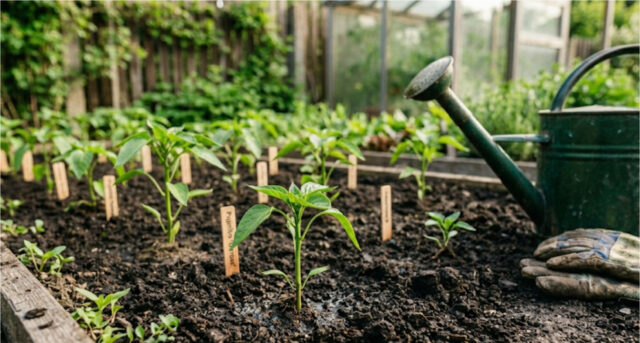
Peppers are more sensitive than tomatoes. They do not like cold, waterlogging, sudden weather changes, or being overloaded with flowers too early. After planting, it can happen that the plant remains stationary even though you are watering and caring for it. This does not immediately mean that it is hungry.
The biggest mistake is to add strong fertilizer when the pepper has not yet properly rooted. Roots in cold or wet soil cannot absorb nutrients well, and additional watering may worsen the situation. First, it is necessary to find out why the pepper is not growing.
Why Peppers Often Stand Still After Planting
After transplanting, the pepper experiences stress. The temperature, soil, amount of light, humidity, and space for roots change. The plant first tries to root, and only then does it start to visibly grow above ground. This can take some time.
If nights are cold, the soil is wet, or the plant has received shock after planting, growth slows down even more. The pepper may look healthy, but new leaves are not forming. At such times, patience is more important than another dose of fertilizer.
Cold is the Most Common Brake
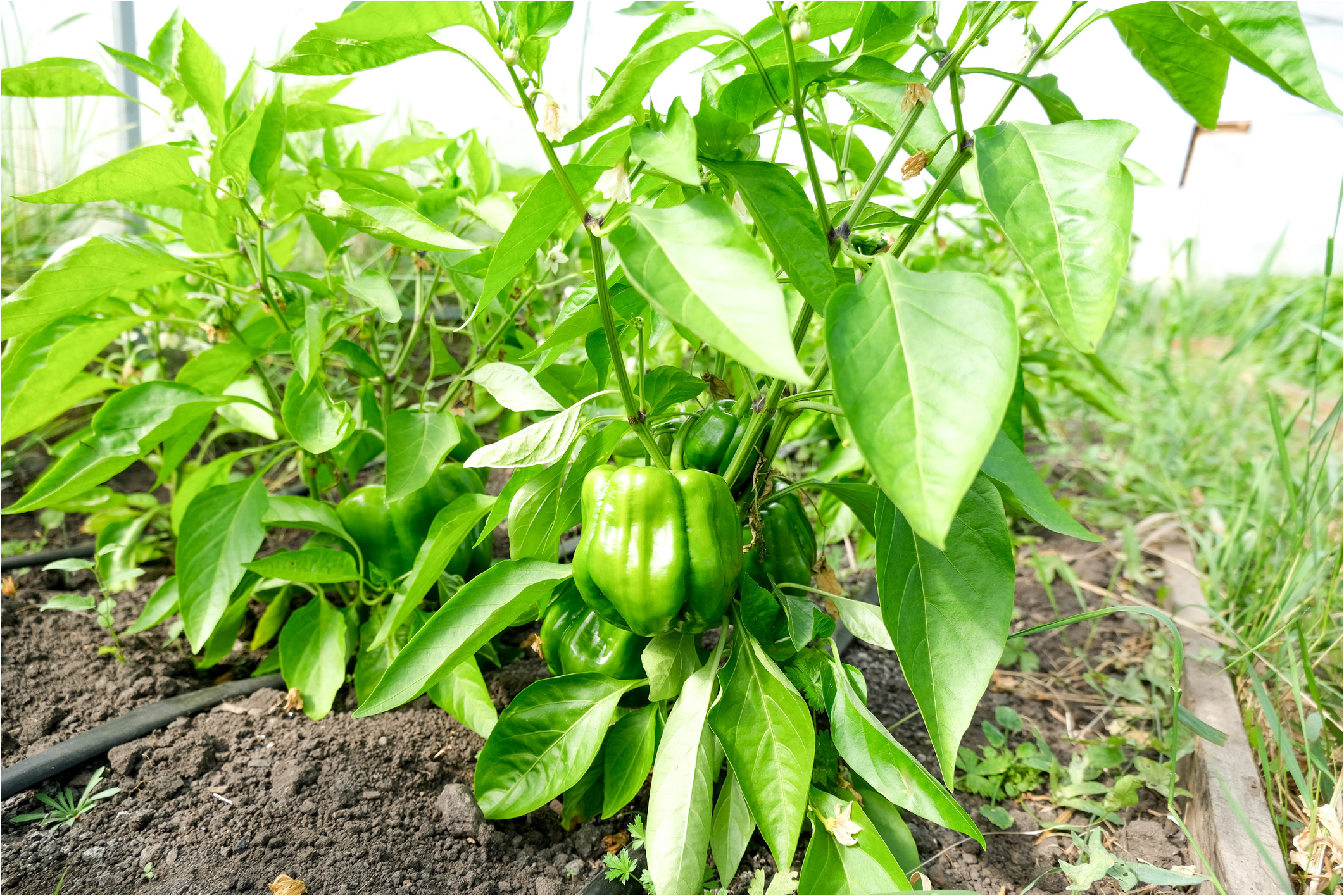
Peppers are heat-loving plants. If the soil is cold or nighttime temperatures drop too low, the roots work slowly. The plant then does not absorb water or nutrients as it should, and growth stops.
In such a situation, strong fertilization will not help. The pepper primarily needs warmer and more stable conditions. Outdoors, a protected sunny spot will help, while in a greenhouse or polytunnel, reasonable ventilation during the day and protection from cold drafts at night are essential.
Waterlogged Soil Looks Like Nutrient Deficiency
When a pepper stands in wet soil, the roots do not have enough air. The plant may yellow, wilt, and grow slowly. Many people interpret this as hunger and add fertilizer, but the problem lies in the water.
Before fertilizing the pepper, check the soil. If it is heavy, cold, muddy, or has been wet for a long time, do not fertilize or water. Let the soil dry out and, if necessary, carefully disturb the surface to allow it to breathe better.
Note: A pepper can wilt even in waterlogged soil. Not every wilting means dryness.
When Fertilization Makes Sense
Fertilization makes sense when the pepper has rooted, is producing new leaves, and the soil is reasonably moist. The plant should be in active growth, not under stress from cold, overwatering, or fresh transplanting.
At this stage, gentle and regular nutrition is more suitable than a strong dose. Peppers appreciate mature compost, weaker organic watering, or fertilizer designed for fruiting vegetables. It is important not to overdo nitrogen to prevent the plant from focusing only on leaves.
If you want to support peppers in a homemade way, check out the article Homemade Fertilizer for Peppers: 4 Gentle Waterings That Support Growth Without Over-Fertilizing.
When Not to Fertilize at All
Do not fertilize immediately after planting if the pepper looks wilted, the soil is wet, or there have been cold nights. Similarly, do not fertilize during the hottest part of the day when the plant has drooping leaves just due to midday stress. At such times, it does not need nutrition but stable conditions.
Skip fertilization for plants that have damaged roots, yellow for unclear reasons, or stand in poorly drained soil. First, resolve the cause, then add nutrients.
The First Flowers Can Slow Down the Plant
With young peppers, the first flowers sometimes appear early. The gardener is pleased, but if the plant is still small and weak, the first set of flowers can unnecessarily exhaust it. The pepper then directs energy into the flower or fruit instead of into the roots and strong growth.
For weaker seedlings, the first flower is often removed so that the plant can strengthen first. This does not apply to every plant, but if the pepper is small, stationary, and already trying to flower, relieving it can help.
How to Water Peppers After Planting
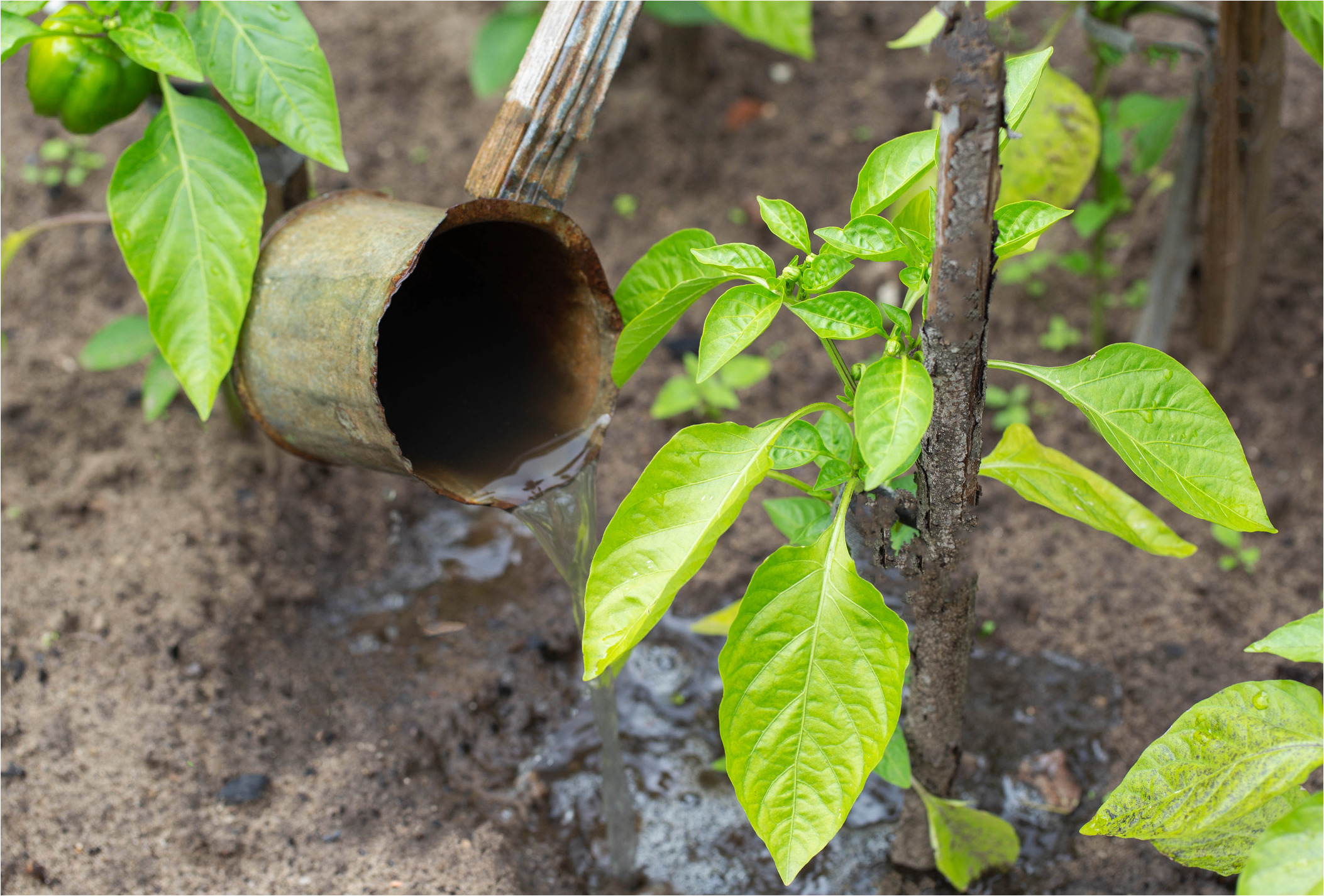
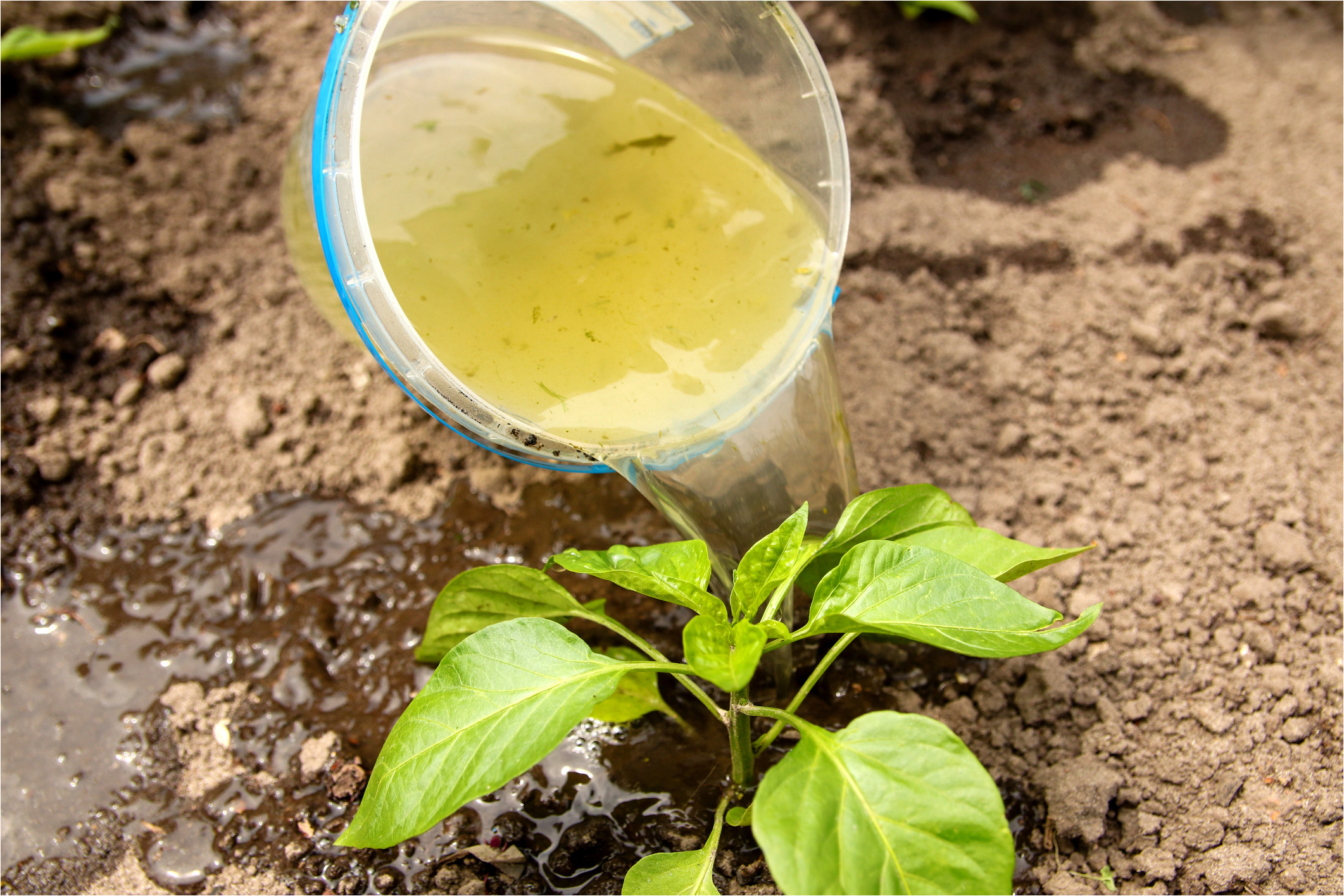
Peppers need regular but not excessive watering. After planting, it is important to water at the roots, but then allow the soil to dry slightly. A permanently wet bed is worse for peppers than a short break between waterings.
Water at the roots, not over the leaves. Water on the leaves can increase the risk of problems in humid weather and can unnecessarily burden the leaves in bright sunlight. The best time to water is in the morning or early afternoon.
Mulch Helps, but Only at the Right Time
Mulch helps peppers retain moisture and limits weeds. However, after planting, it is good to ensure that the soil is not cold and too wet. A thick layer of mulch can slow down soil warming in cold periods.
Once the weather stabilizes and the soil is warm, a thinner layer of mulch can benefit peppers. It helps maintain consistent moisture and reduces fluctuations that peppers do not like.
How to Tell If the Pepper Has Started Growing
A good sign is new light green leaves, a sturdier stem, and an overall fresher appearance. The plant will start to form a new layer of leaves, the leaves will straighten, and the pepper will no longer look “frozen”.
Only at this stage does gentle fertilization make more sense. The roots are already working, and the plant can utilize nutrients. However, if it is still stationary, the leaves are yellowing, and the soil is wet, postpone fertilization.
Watch Out for Nitrogen
Nitrogen promotes leaf and green mass growth. This can be useful at the beginning, but if there is too much, the pepper can create a nice green bush with few flowers and fruits. Balance is important for fruiting vegetables.
Therefore, do not use strong nitrogenous waterings repeatedly. Nettle watering can make sense during the growth phase, but with peppers that are already supposed to flower and bear fruit, handle it carefully.
Use Homemade Waterings Sparingly
Yeast, nettles, banana peels, or compost tea are often used as homemade support. However, with peppers, a weaker dose is safer. Plants in a small bed, container, or greenhouse can be over-fertilized more easily than it seems.
Do not combine several homemade fertilizers at once. If you use nettles, do not add yeast, banana infusion, and ash a few days later. Choose one gentle support and monitor the plants’ reaction.
You may also find the article Yeast as Nutrition for Plants: When It Makes Sense and Why Not to Overdo It helpful.
Container Peppers Are More Sensitive
If you grow peppers in a pot or container, be even more careful with fertilization. The substrate is limited, dries out faster, but nutrients can also accumulate more easily. Strong watering can burden the plant.
Common Mistakes After Planting Peppers
- Fertilizing immediately after planting when the plant has not yet rooted.
- Watering into wet and cold soil.
- Using strong homemade waterings without dilution.
- Excessive amounts of nitrogen.
- Leaving the first flowers on a weak seedling.
- Planting in a cold or shady spot.
- Trying to save every problem with fertilizer.
Quick Steps When Peppers Are Not Growing
First, check the soil. Is it wet, cold, or heavy? Do not water or fertilize. Is it dry? Water at the roots. Then check the temperature, light, and condition of the plants. If it is small and has the first flower, consider removing it.
Once the pepper starts to produce new leaves and looks sturdier, you can add gentle nutrition. Until then, it will often benefit most from warmth, peace, and proper watering.
Peppers Need to Root First, Then Be Fed
When peppers are not growing after planting, it does not necessarily mean they lack fertilizer. Very often, they are simply reacting to cold, waterlogging, or transplant stress. If you add strong nutrition at that moment, they may not utilize it and you could make things worse for them.
The best approach is simple: warmth, light, adequate watering, and time. Fertilizer comes into play only when the plant has rooted and starts to grow again. That is when gentle support helps the most.
Most often due to cold, transplant stress, waterlogged soil, or because they haven’t rooted yet. It doesn’t necessarily mean a lack of fertilizer.
Only when the plant starts to produce new leaves, the soil is adequately moist, and the pepper doesn’t appear stressed. It’s better to let it root right after planting.
It can help with weak or small seedlings, as the plant will strengthen first. It’s not always necessary for strong and well-growing peppers.
Suitable options are gentle organic nutrition, mature compost, or a weaker solution for fruiting vegetables. Avoid strong doses of nitrogen.
Do not fertilize in waterlogged soil, cold weather, after fresh planting, with damaged roots, or when the plant is wilting from heat.