
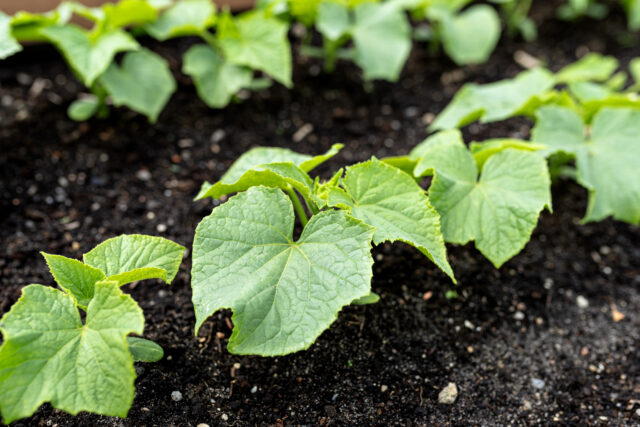
Cucumbers are the kings of summer garden beds, but they can give gardeners quite a headache. Just a few chilly nights, a heavy rain, or a brief lack of nutrients, and the plants will immediately signal a problem—leaves turn yellow, flowers drop, and a promising harvest disappears before your eyes. But before you reach for expensive store-bought chemicals, try some tried-and-true tricks from our grandmothers. A properly mixed homemade fertilizer from common ingredients can work wonders for a struggling bed. It gives cucumbers exactly what they need during periods of intense growth, protects them from disease, and ensures a flood of crunchy fruits right up to autumn. Let’s take a look at how to do it!
When Should You Start Fertilizing Cucumbers?
Cucumbers shouldn’t be heavily fertilized right after planting. They first need to root and get used to their new spot. If you used quality compost or well-prepared soil during planting, give the plants a few days to settle in.
Start regular feeding once the cucumbers are visibly growing, producing new leaves, and beginning to set flowers. During fruiting, they need more nutrients, as they have to support leaves, flowers, and fast-growing fruits.
1. Compost Tea as a Gentle Base
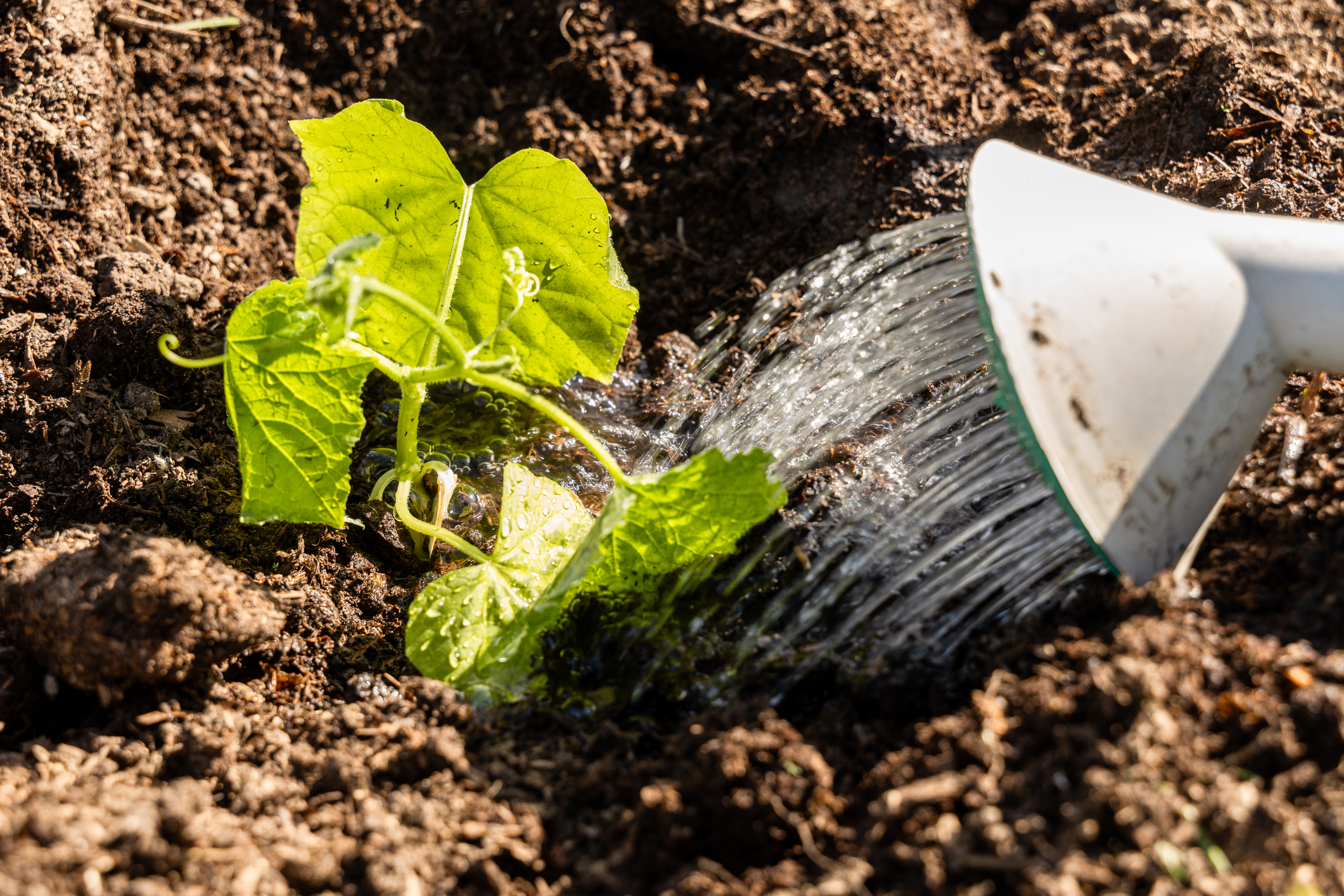
Compost tea is very suitable for cucumbers because it provides them with natural and gentle nutrition. It’s made from well-matured compost and water. Let the mixture sit briefly, then use it to water the roots.
The advantage of compost tea is that it’s not as aggressive as some strong homemade mixes. It’s suitable for cucumbers in beds, greenhouses, and even large containers. It helps plants maintain their strength during both growth and fruiting periods.
2. Nettle Liquid Fertilizer for Stronger Growth
Nettle liquid fertilizer is one of the best-known homemade fertilizers. For cucumbers, it’s especially useful in the early growth phase, when the plants need to develop strong leaves and a healthy base for later fruiting.
You prepare it from fresh nettles and water. Place the nettles in a container, cover with water, and let it ferment for several days. Always dilute the finished fertilizer well, as the concentrated mixture is too strong and could damage the roots.
Note: Once cucumbers start fruiting, don’t use nettle fertilizer too often. Excess nitrogen mainly supports leaf growth, while fruiting may not be as good.
3. Banana Peel Soak for Flowering and Fruits
Banana peels are often used as homemade nutrition for flowering and fruiting plants. For cucumbers, it’s ideal when the plants begin to flower and set their first fruits. The simplest way is to make a quick infusion.
Cut the peels into smaller pieces, cover with water, and let them soak for one to two days. Then use the liquid to water the roots. Don’t pour it over the leaves or flowers, as cucumbers are sensitive to moisture on their leaves and can easily suffer from diseases in poorly ventilated environments.
4. Yeast Solution as a Short-Term Boost
Yeast solution is popular among gardeners as a quick boost for plants that are growing slowly or seem tired after transplanting. For cucumbers, you can use it as a supplement, not as the main fertilizer.
Just dissolve a small amount of yeast in water and let the mixture sit briefly. Then use it to water the roots. However, don’t use yeast too often and don’t constantly combine it with other strong homemade fertilizers.
5. Use Wood Ash Only Sparingly
Wood ash can be useful as a nutritional supplement, but with cucumbers you need to handle it carefully. Use only pure wood ash, never ash from coal, painted boards, or chemically treated materials.
You can add a small amount of ash to compost or gently work it into the soil. Don’t overdo it, as too much ash can affect soil conditions. Cucumbers need a stable environment and can react sensitively to major changes.
Note: Never sprinkle ash directly on the leaves or right next to the stem. Use it only as an occasional supplement, not as a regular watering or main fertilizer.
Why Do Cucumbers Turn Yellow?
Yellowing cucumbers doesn’t always mean a lack of nutrients. It’s often caused by irregular watering, cold water, chilly nights, waterlogging, lack of light, or transplant shock. That’s why it’s not good to immediately add more fertilizer before checking the basic conditions.
If older lower leaves are turning yellow, it may be natural aging or poor air circulation. If young leaves are yellowing, the plant isn’t growing, and overall looks weak, the problem may be in the soil, roots, or nutrition.
How Often Should You Use Homemade Fertilizers on Cucumbers?
Use homemade fertilizers sparingly. While cucumbers need nutrients, too frequent feeding can cause imbalance and harm the plants. It’s better to choose one or two methods and observe how the plants respond.
If cucumbers are growing well, have healthy leaves, and regularly set fruit, there’s no need to constantly support them with extra fertilizer. During fruiting, the most important things are regular watering, warmth, and continuous harvesting of fruits.
Don’t Forget Proper Watering
Cucumbers like regular moisture, but can’t stand extremes. Prolonged drought weakens them, while waterlogging damages the roots. Water at the roots and ideally with settled water that isn’t cold. Cold water can stress the plants unnecessarily.
In greenhouses, ventilation is also important. Too humid and closed environments promote leaf diseases. Outdoor cucumbers should be protected from long droughts and sudden weather changes.
Homemade Fertilizer Helps, But Isn’t Enough on Its Own
Cucumbers appreciate compost tea, nettle fertilizer, banana peel infusion, yeast solution, and small amounts of wood ash. But they work best when the plants also have good soil, enough warmth, regular watering, and space to grow.
If you fertilize in moderation and monitor the condition of your plants, cucumbers will reward you with healthier growth, richer flowering, and more fruits. With homemade fertilizers, the simple rule applies: less, but at the right time.
Do not start fertilizing cucumbers heavily right after planting. Let them root first and start fertilizing only when they are visibly growing, forming new leaves, and beginning to set flowers.
A gentle base is suitable compost tea. To support growth, you can use diluted nettle slurry, during flowering and fruiting a banana infusion, and occasionally a small amount of pure wood ash.
Yellowing of leaves can be caused by nutrient deficiency, but also irregular watering, overwatering, cold, cold water, lack of light, or stress from transplanting. Before adding fertilizer, check the soil and watering first.
Yes, but always diluted and rather in the early part of growth. Nettle slurry mainly supports green mass, so do not use it too often during the fruiting period.
Use homemade fertilizers sparingly according to the condition of the plants. If cucumbers are growing well, flowering, and fruiting, it is not necessary to fertilize them often. Too many different waterings can harm the plants instead.