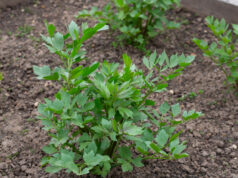

Zucchinis are among the most popular crops in our gardens. They grow quickly, don’t require complicated care, and usually produce so abundantly that we can’t give them away fast enough. But sometimes, a promising season turns into disappointment: the plant sets lots of small zucchinis, but they start to yellow, soften, and rot from the tip while still attached to the stem, before they can mature.
Many gardeners panic in this situation and start looking for expensive fungicides. But the truth is quite different. The rotting of young fruits is usually not caused by a sneaky disease, but by a critical watering mistake that blocks a key nutrient in the soil.
Lack of Calcium: The Hidden Cause Triggered by Improper Watering
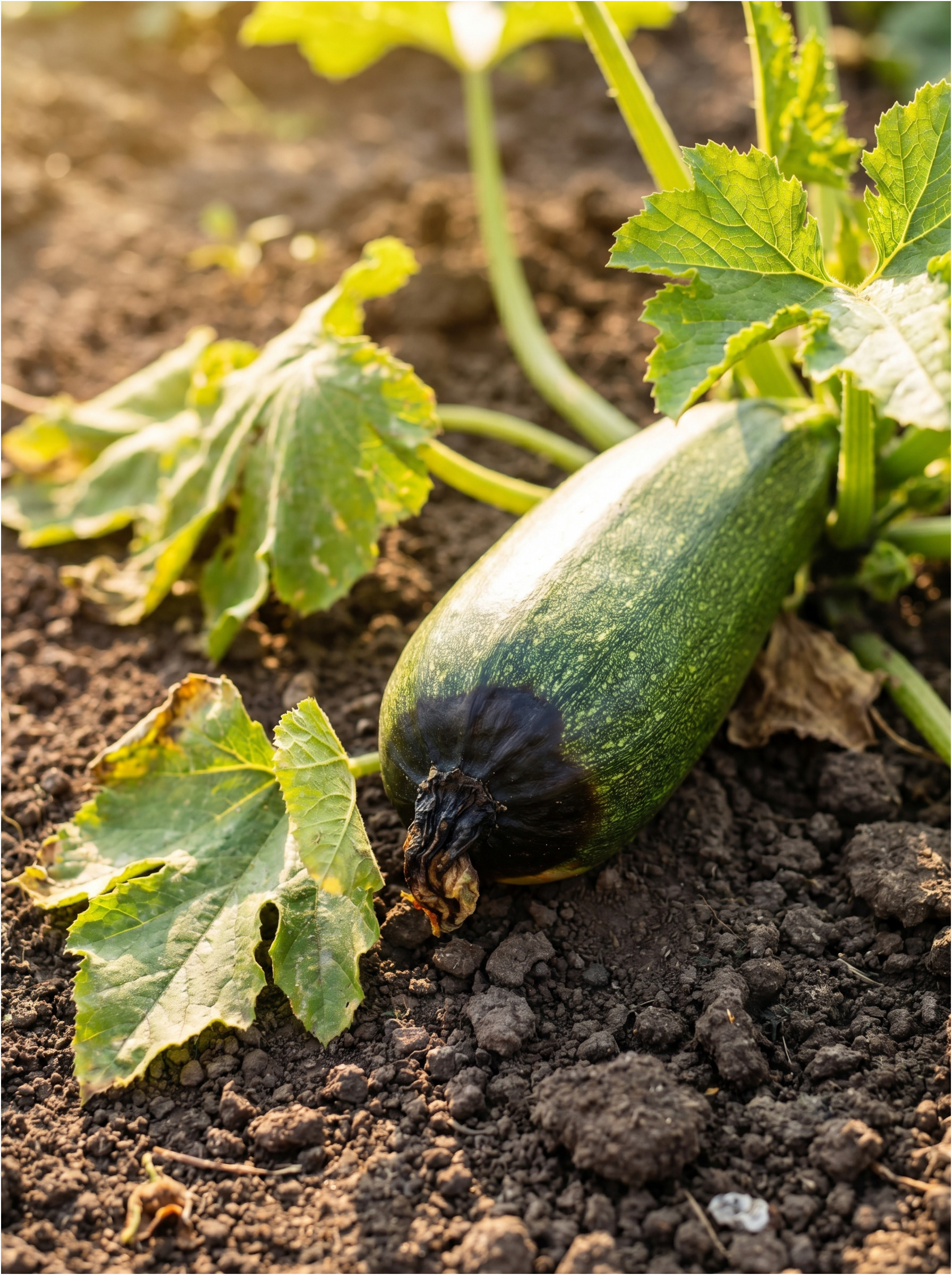
This problem is technically called blossom end rot (just like with tomatoes or peppers). The tip of the young zucchini starts to blacken or rot because the cells at the end of the fruit don’t have enough calcium to build strong cell walls. Without calcium, the cells collapse, and the tissue begins to die and rot.
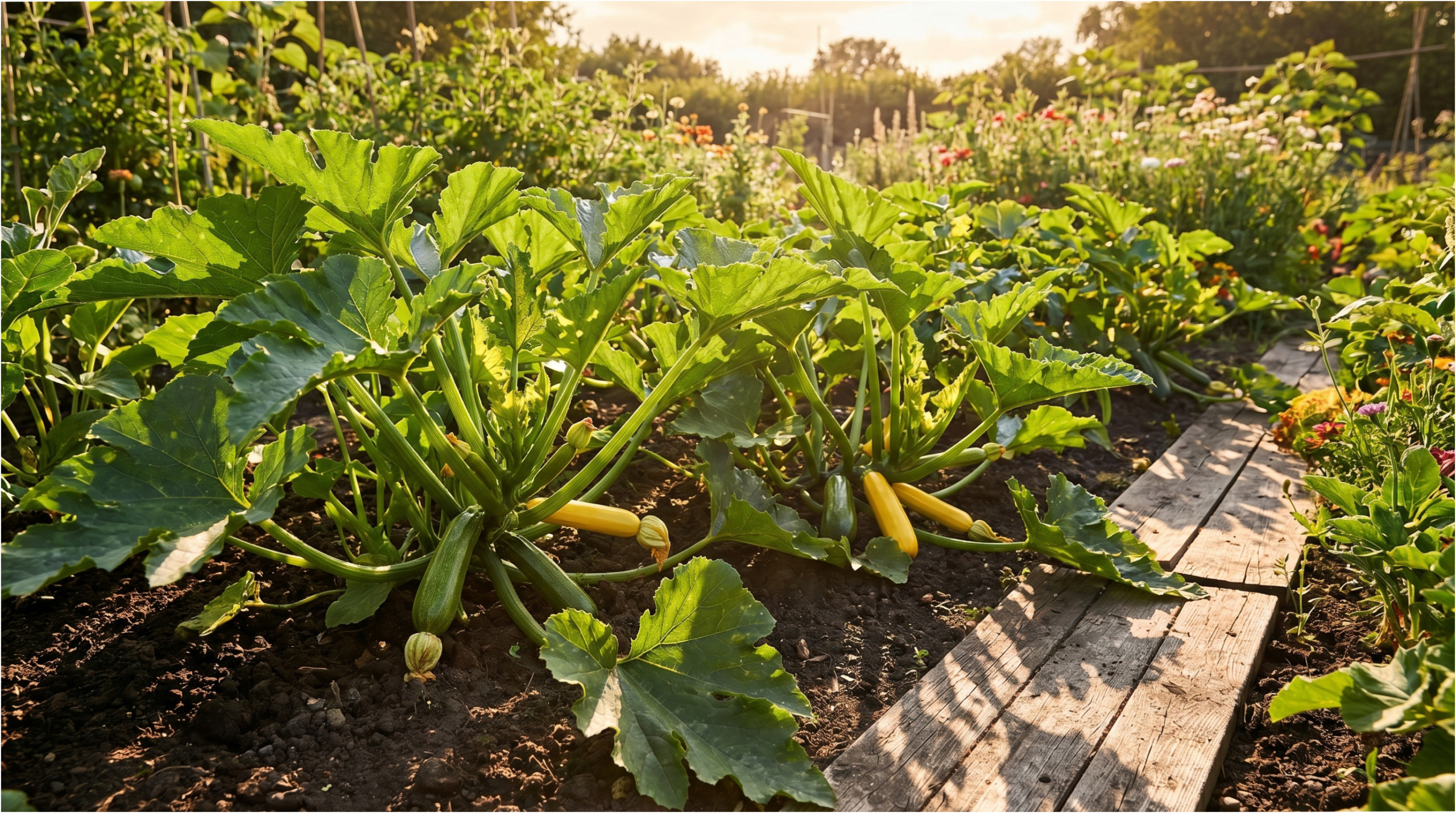
The crucial point is that there may be enough calcium in the soil. However, the plant can only absorb it with water. And this is where most gardeners make their biggest mistake.
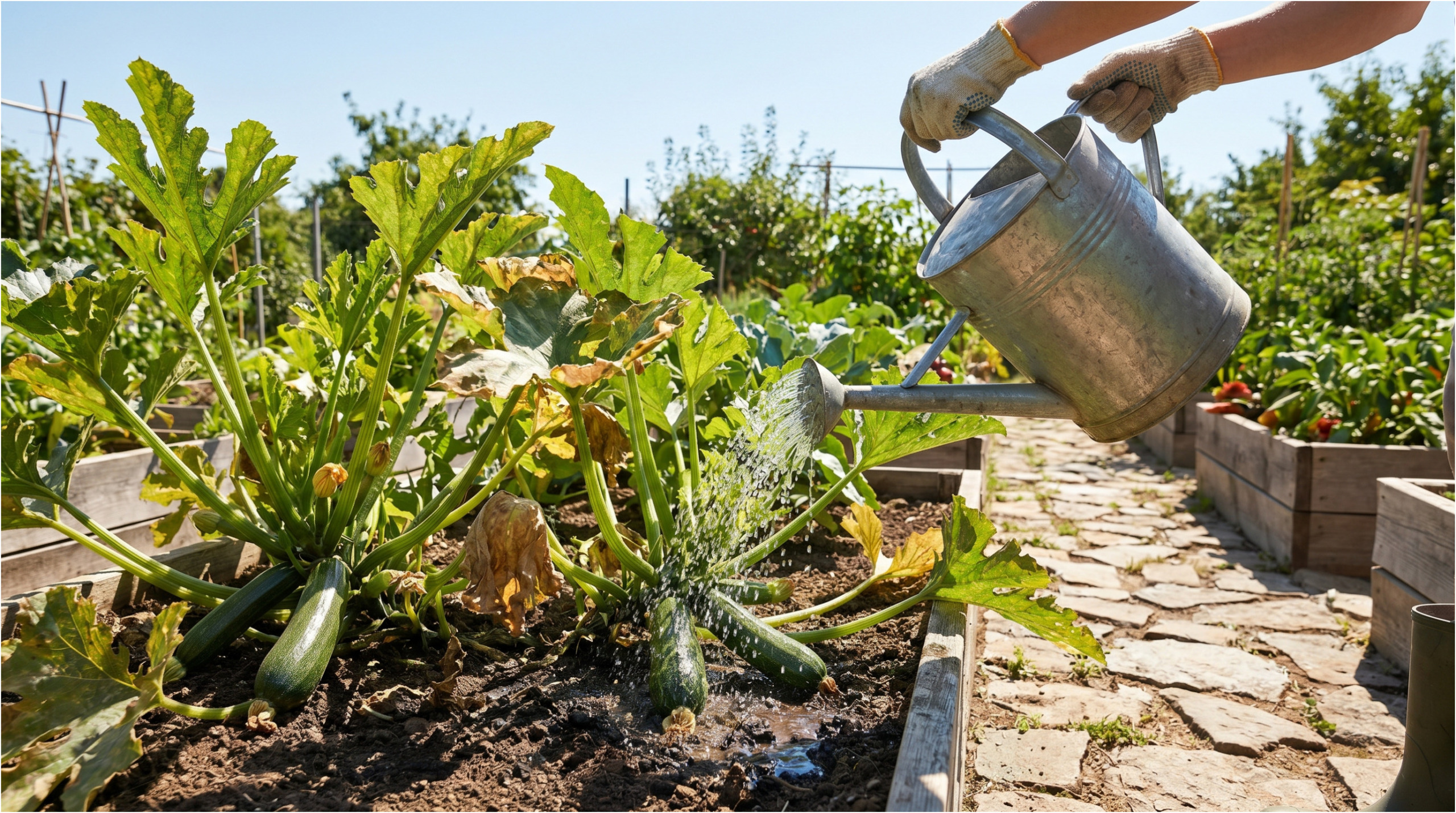
If you water zucchinis irregularly—letting the soil dry out completely so the plant wilts, then flooding it with a stream of cold water—the flow of nutrients is interrupted. Calcium doesn’t reach the leaves and fruits during dry periods, and when a massive dose of water finally arrives, the fruit’s cells literally burst and start to rot.
How to Water Zucchinis Properly to Save the Fruits?
If you want to prevent rot immediately, stick to these three basic watering rules:
- Water only at the roots: Never pour water over the leaves from above. Wet leaves combined with warm summer weather are an open invitation for powdery mildew and other fungal diseases, just like when you ignore yellow leaves and mildew on cucumbers.
- Use settled water (from a rain barrel): Zucchinis love warmth. If you pour icy water straight from the well or tap onto warm roots, the plant goes into shock, closes its root pores, and stops absorbing nutrients, including calcium.
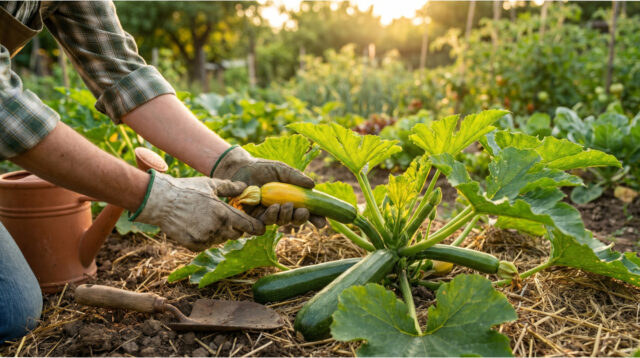
- Mulching is a lifesaver: Cover the area around the zucchini with a layer of grass clippings or straw. Mulch keeps the soil consistently moist, prevents sudden swings between drought and wetness, and also protects the fruits from direct contact with damp soil.
Pruning Leaves: Let Sun and Air Reach the Fruits
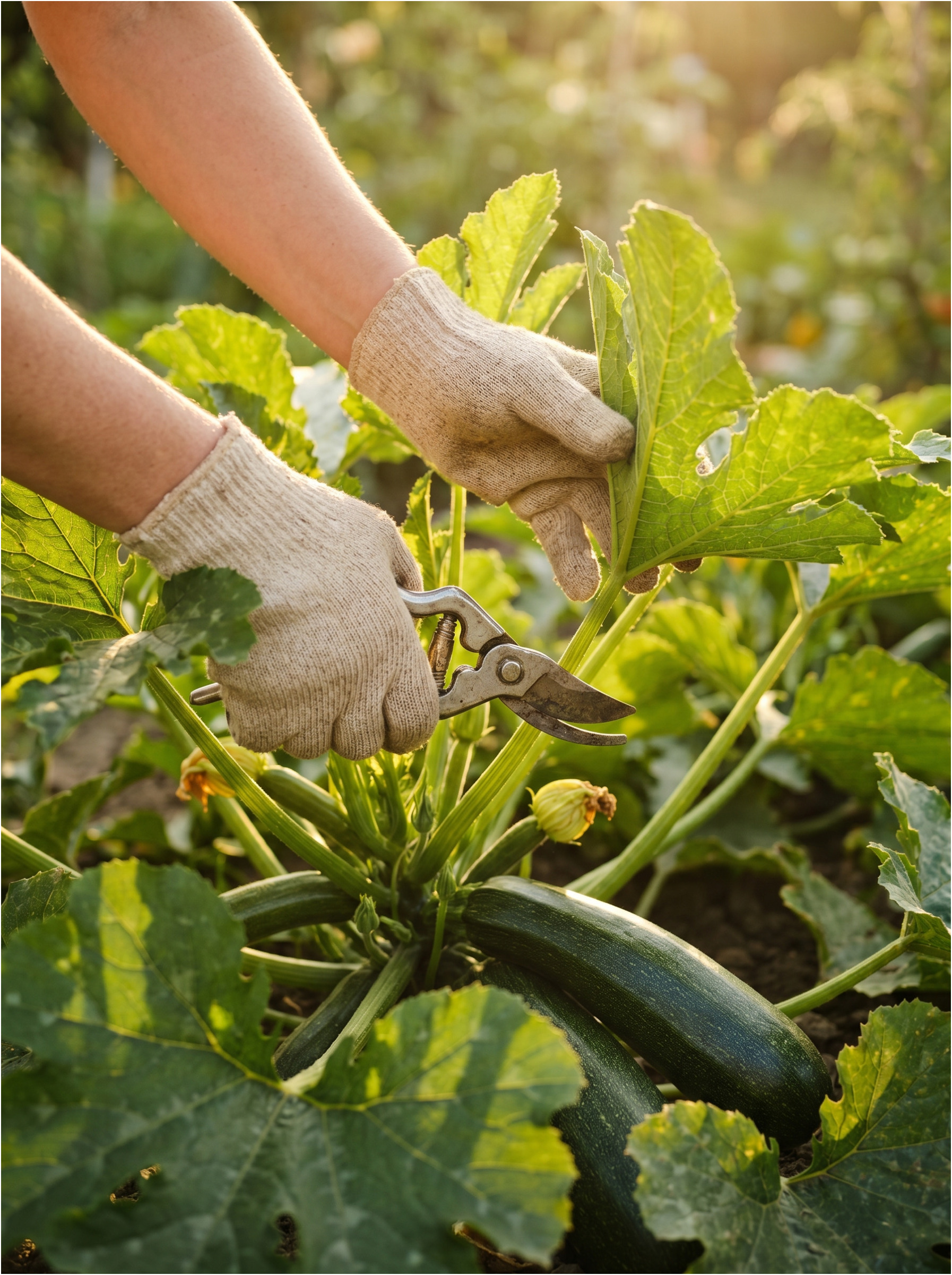
Zucchini plants can produce huge, umbrella-like leaves that perfectly shade the soil. But when there are too many leaves, heavy, humid air gets trapped inside the plant, and sunlight can’t reach the fruits or flowers, which then start to rot due to the dampness.
Don’t be afraid to grab some scissors. You can find the right and safe technique in our article on how to properly prune zucchini leaves. By removing a few of the oldest lower leaves, you’ll improve airflow and give the fruits a chance to dry quickly, even after rain.
| Symptom on Zucchini | Main Cause | Immediate Solution |
|---|---|---|
| Rotting tips of small fruits | Irregular watering and blocked calcium | Water evenly with settled water, mulch with grass |
| Entire yellow flowers falling off | Poor pollination (lack of bees) or overwatering | Reduce watering, or pollinate manually with a brush |
| White coating on leaves | Powdery mildew (watering on leaves) | Remove affected leaves, apply milk spray |
The summer garden requires comprehensive care, and every crop has its own specifics. If you grow tomatoes as well as zucchinis and cucumbers, remember that they also need the right touch with scissors or fingers. Check out our detailed guide on how to properly pinch tomatoes so you don’t lose half your harvest.
Yeast is used as a home remedy to support growth and soil life. It can gently encourage healthy, established plants, but it is not a complete fertilizer.
Only when the tomatoes have established after planting, are forming new leaves, and the soil is not wet. It is better to let the plants root right after planting.