
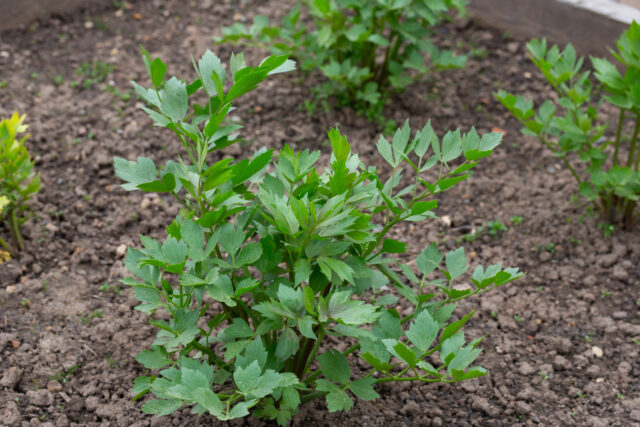
At first glance, lovage seems like an undemanding herb that will grow almost anywhere. And to a certain extent, that’s true. Once it takes hold in your garden, it can thrive for many years, forming a large clump and providing plenty of aromatic leaves each season. Still, it can sometimes start to yellow, thin out, bolt, or lose its vigor.
Most often, the cause is not a poor seedling, but an unsuitable location, improper watering, or neglected pruning. Lovage likes plenty of nutrients, slightly moist soil, and space. If you provide these conditions, it will reward you with a strong aroma and a generous harvest of leaves.
Where to Plant Lovage for Best Results
Lovage grows best in a spot with plenty of light, but not exposed to harsh sunlight all day. The ideal is a sunny place with light shade or partial shade, where the soil doesn’t dry out too quickly. In a spot that’s too dry and hot, the leaves can lose their freshness, turn yellow, and the plant won’t grow as vigorously.
Space is also important. Lovage is not a tiny herb for a small corner. If it thrives, it can become a large plant with tall stems and big leaves. So don’t plant it too close to more delicate herbs, as it may crowd them out over time.
Mistake #1: Too Dry a Location
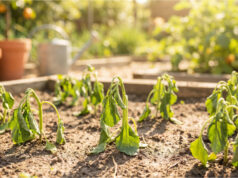
One of the most common mistakes is planting lovage in a dry, poor, and overheated spot. The plant can handle short periods of drought, but if it suffers for too long, you’ll see it on the leaves. They lose their deep green color, may turn yellow, and the harvest will be weaker.
The soil around lovage should be slightly moist, but not waterlogged. In hot summers, it’s worth watering at the roots, ideally in the morning or evening. Mulch made of grass clippings, straw, or leaves can also help reduce soil drying.
Tip: If your lovage wilts regularly during hot days, there’s no need to overwater it right away. First, check the soil a few centimeters below the surface. The top may be dry, while deeper down the plant may have enough moisture.
Mistake #2: Waterlogging and Heavy Soil
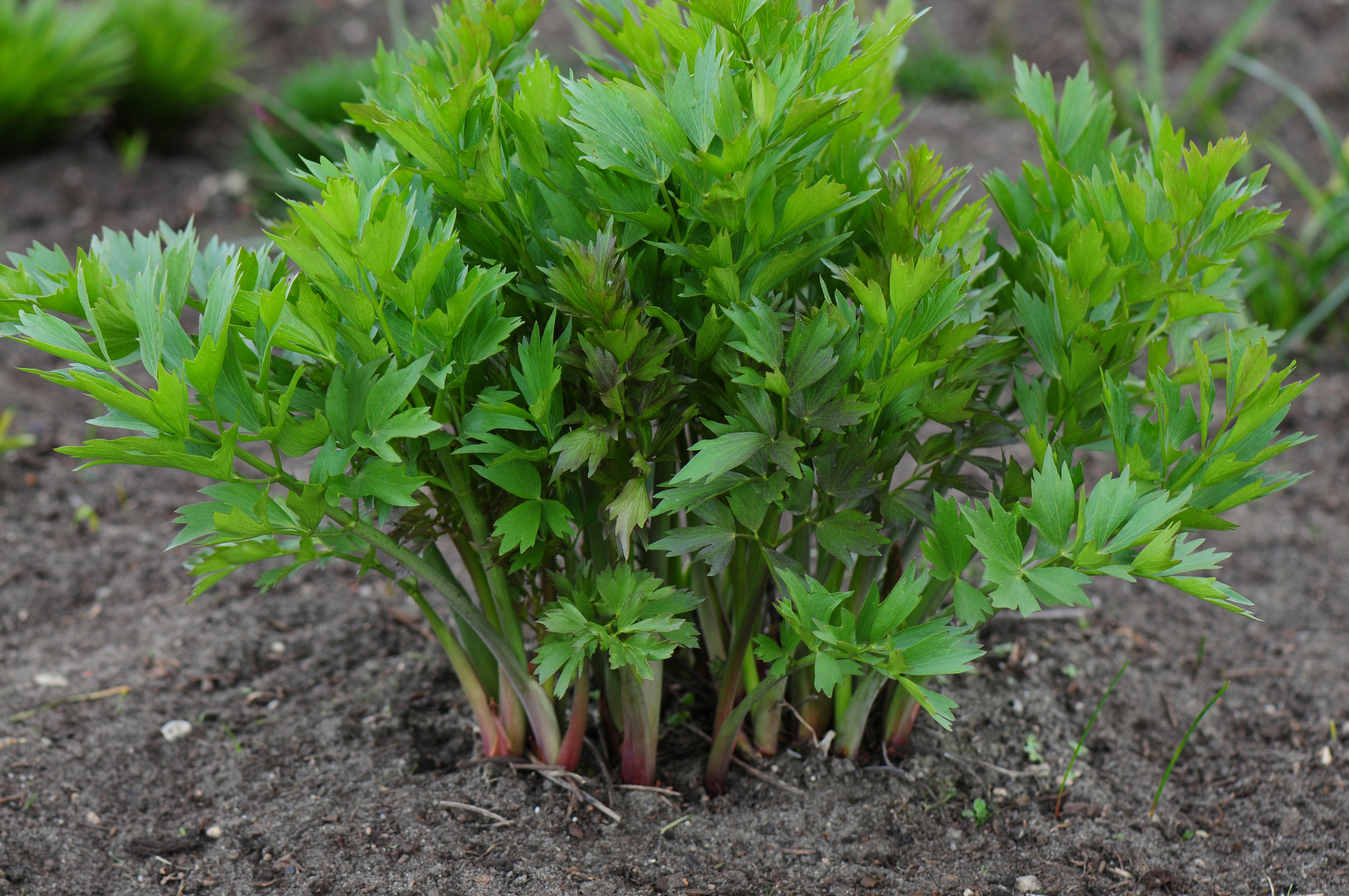
Lovage likes moisture, but can’t stand long-term waterlogging. If it stands in heavy, clay soil where water lingers after rain, the roots can suffer. The plant then weakens, the leaves turn yellow, and it generally looks tired.
When planting, it’s helpful to improve the soil with compost and, if needed, materials to lighten it. It’s important that water doesn’t stay around the roots for long. If growing in a container, always make sure there are drainage holes, otherwise growing lovage can quickly become a problem.
Note: Wilting doesn’t always mean a lack of water. If the soil is wet and lovage still wilts, the problem may be waterlogging.
Mistake #3: Letting It Flower Too Early
Once lovage starts to bolt, the plant puts its energy mainly into forming flower stalks and seeds. The leaves can then become tougher, less tender, and the plant loses its fresh appearance. If you want to use lovage mainly in the kitchen, it’s worth removing flower stalks in time.
Regular trimming encourages new growth and keeps the plant more compact. Don’t be afraid to cut lovage back more drastically if it’s healthy and well-rooted. It often regrows and produces fresh young leaves.
Practical advice: Harvest the leaves continuously. Don’t wait until the plant gets too big and starts to lose strength. Young leaves are usually the best in the kitchen.
How to Water Lovage Properly
Watering should be regular but reasonable. Lovage appreciates moist soil especially after planting, during summer heat, and when grown in containers. In the garden bed, older plants can cope better because they have a stronger root system.
The best way is to water directly at the roots and avoid unnecessarily wetting the leaves. In dense growth, moisture lingers less and the risk of leaf diseases is reduced. After heavy rain, further watering is usually not needed.
How to Fertilize Lovage
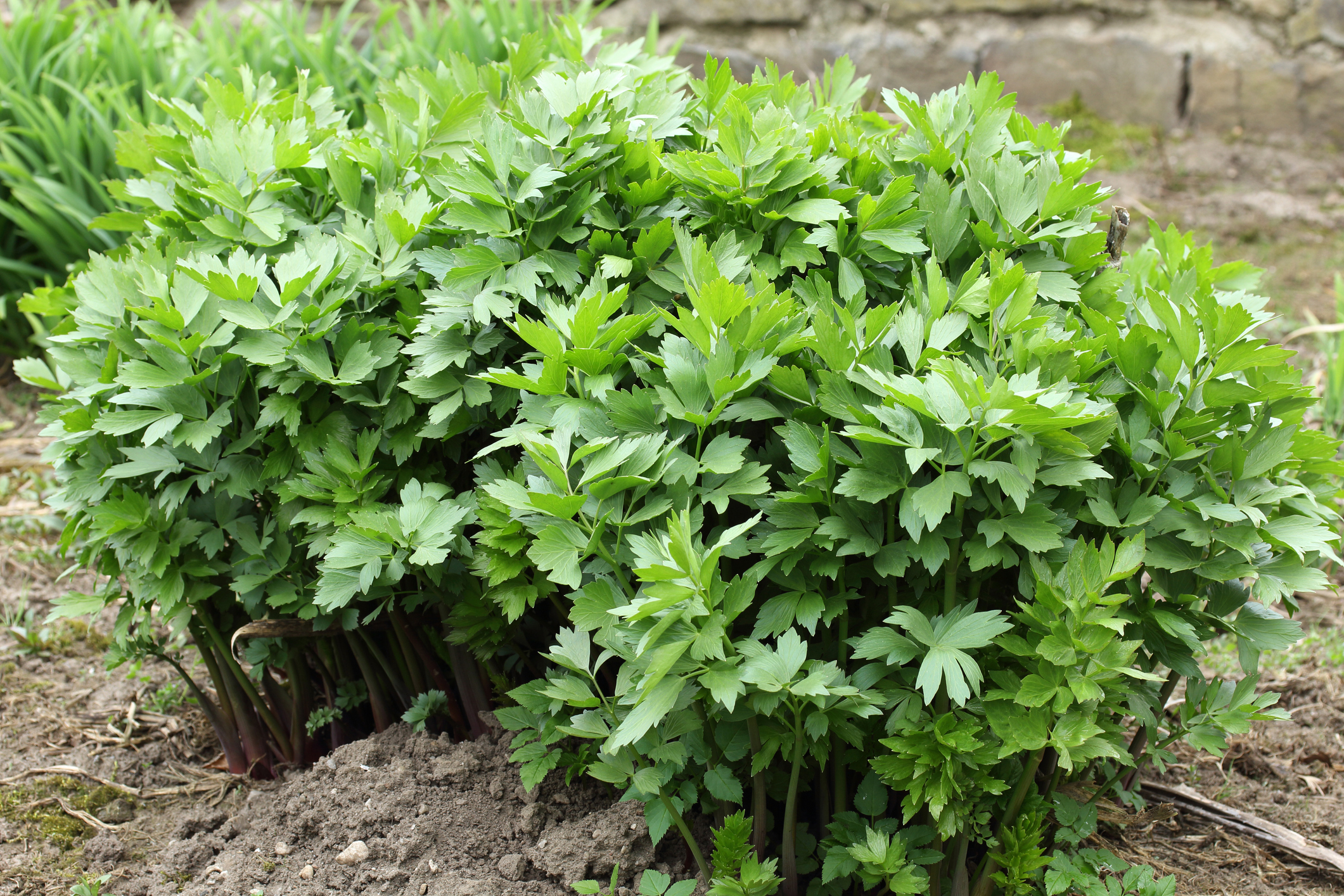
Lovage is one of those herbs that appreciate richer soil. In spring, you can give it well-rotted compost, gently worked into the soil around the plant. Well-established lovage usually doesn’t need complicated fertilizing.
Avoid over-fertilizing, especially with too much nitrogen. The plant may produce leaves quickly, but they might not be as firm and aromatic. With herbs, it’s better to use moderate, natural nutrition rather than pushing for the fastest growth.
Can Lovage Be Grown in a Pot?
Yes, you can grow lovage in a container, but it needs enough space. A small pot won’t be enough in the long run. A larger and deeper container, quality substrate, and more regular watering are better, as soil in pots dries out faster than in garden beds.
Container growing is great for a terrace or larger balcony. The advantage is that you have the herb close to the kitchen and can better control soil moisture. The downside is less space for roots, so the plant may not grow as large as in open ground.
When and How to Harvest Lovage
You can harvest lovage leaves continuously as needed. The best are the younger, fresh leaves, which have a strong aroma and are perfect for soups, sauces, broths, potato dishes, or marinades. A small amount is enough, as lovage is very aromatic.
When harvesting, don’t strip the whole plant at once if it’s young or still establishing. With older plants, you can cut back more heavily during the season. Lovage often regrows and offers fresh leaves.
How to Preserve Lovage for Winter
If you have a lot of lovage, you can easily preserve it. The simplest way is to freeze chopped leaves. Small bags, boxes, or ice cube trays work well—just add chopped lovage with a little water. In winter, just add a cube to soup or broth.
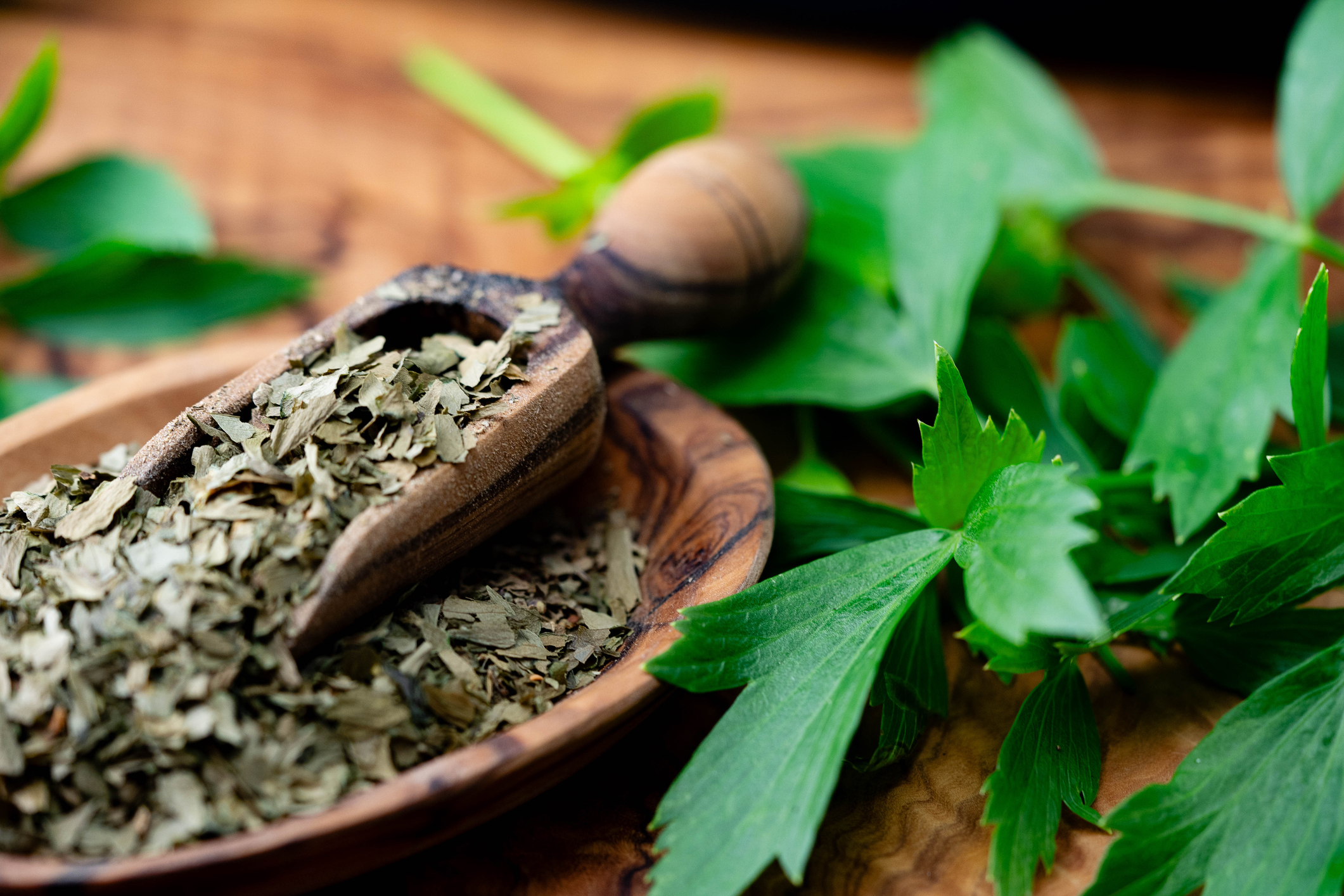
Lovage can also be dried, but some of the aroma may be lost. If you want to keep the strongest flavor, freezing is usually more practical. Another option is lovage salt or homemade herb blends.
What to Watch Out for with Diseases and Pests
Lovage is quite resilient, but in poor conditions, you may see leaf spots, rust, or overall plant weakening. Most often, this is caused by waterlogging, dense growth, and poor air circulation.
It’s best to remove infested or badly damaged leaves. Avoid watering over the leaves and make sure the area around the plant isn’t too damp and closed in. If problems repeat every year, consider moving the plant to a more airy spot.
Lovage Is Undemanding When Given the Right Conditions
Lovage can be one of the most rewarding herbs in the garden. It mainly needs rich soil, adequate moisture, enough space, and occasional trimming. If you don’t let it suffer from drought, drown in wet soil, and remove flower stalks in time, it will grow beautifully for most of the season.
Just a few leaves can give ordinary dishes a richer flavor. That’s why it’s worth having lovage handy in the garden, on the terrace, or in a larger container near the kitchen.
Enjoy your meal!