
Transplanting is a big change for a plant. In a pot, it had a limited but familiar space. After planting in a bed or greenhouse, it suddenly has to cope with wind, sun, colder nights, different soil, and a new watering routine. No wonder it may look tired in the first few days.
The biggest mistake is to panic and immediately overwater, fertilize, or replant the seedling. Often, what it needs most is calm, shade, steady moisture, and time to root.
Why Seedlings Wilt After Planting
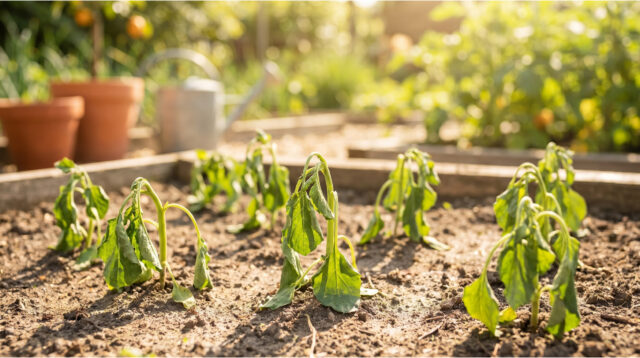
The most common reason is transplant shock. The roots are disturbed during handling, and the plant must start absorbing water from a new environment while also dealing with sun or wind. The leaves droop because the plant can’t replenish water as fast as it evaporates.
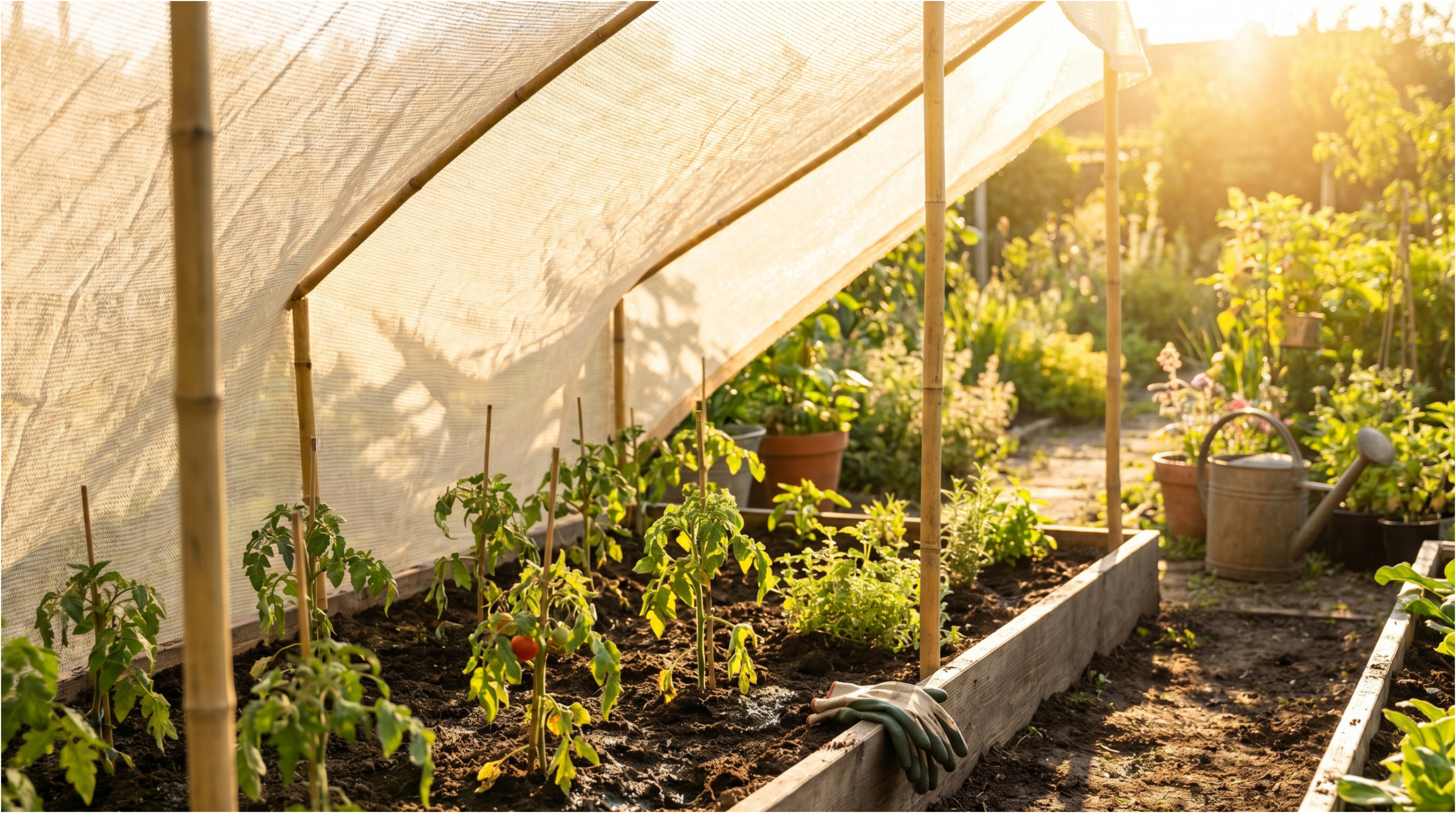
Wilting can also be caused by too much direct sun, cold soil, overwatering, insufficient watering at planting, or the root ball drying out. That’s why it’s important to first find out what’s really happening.
1. First, Check the Soil
Before grabbing the watering can, feel the soil. If it’s wet, heavy, and sticks to your fingers, more water isn’t the answer. Seedlings can wilt from being waterlogged, as roots lack air.
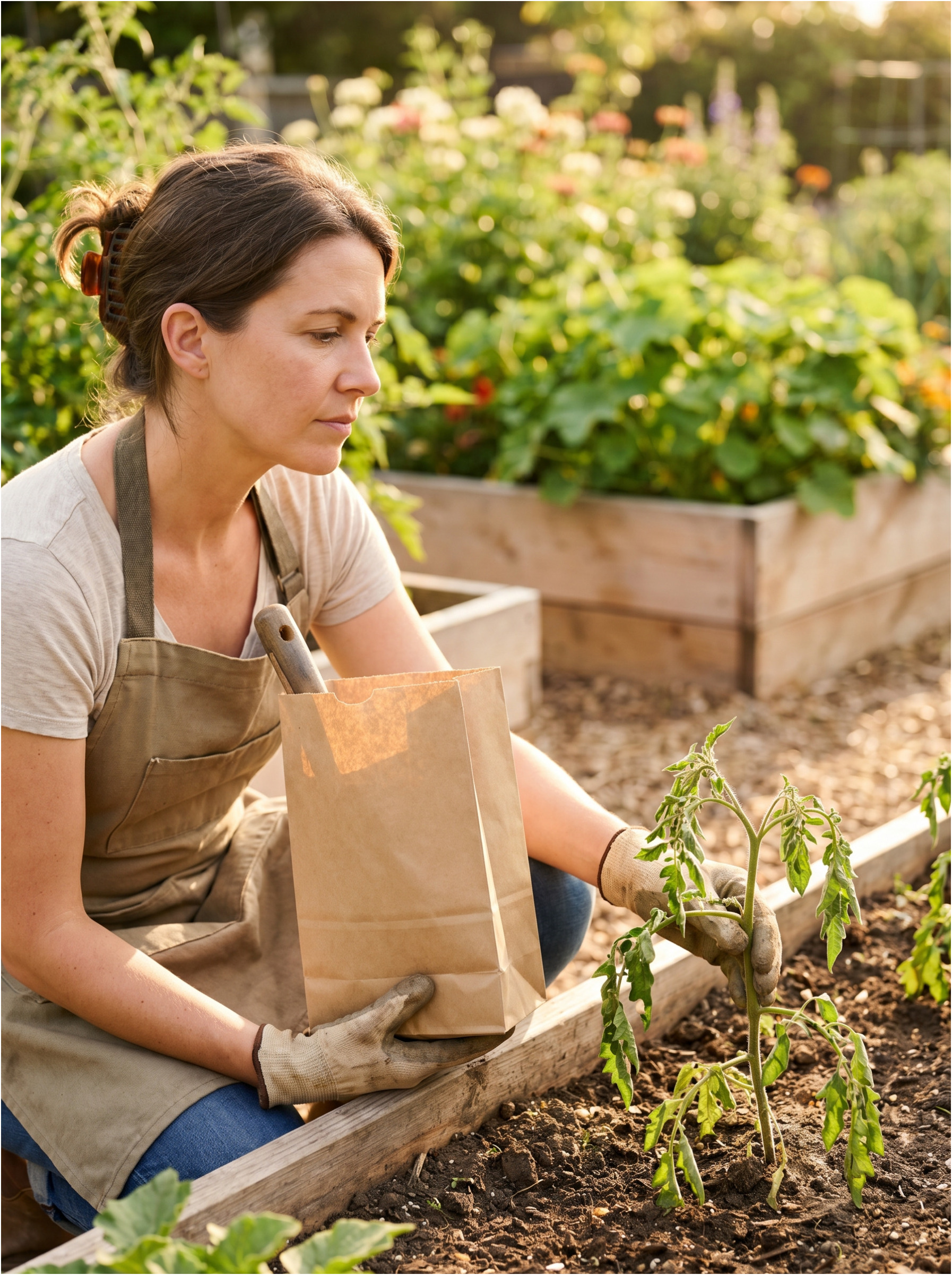
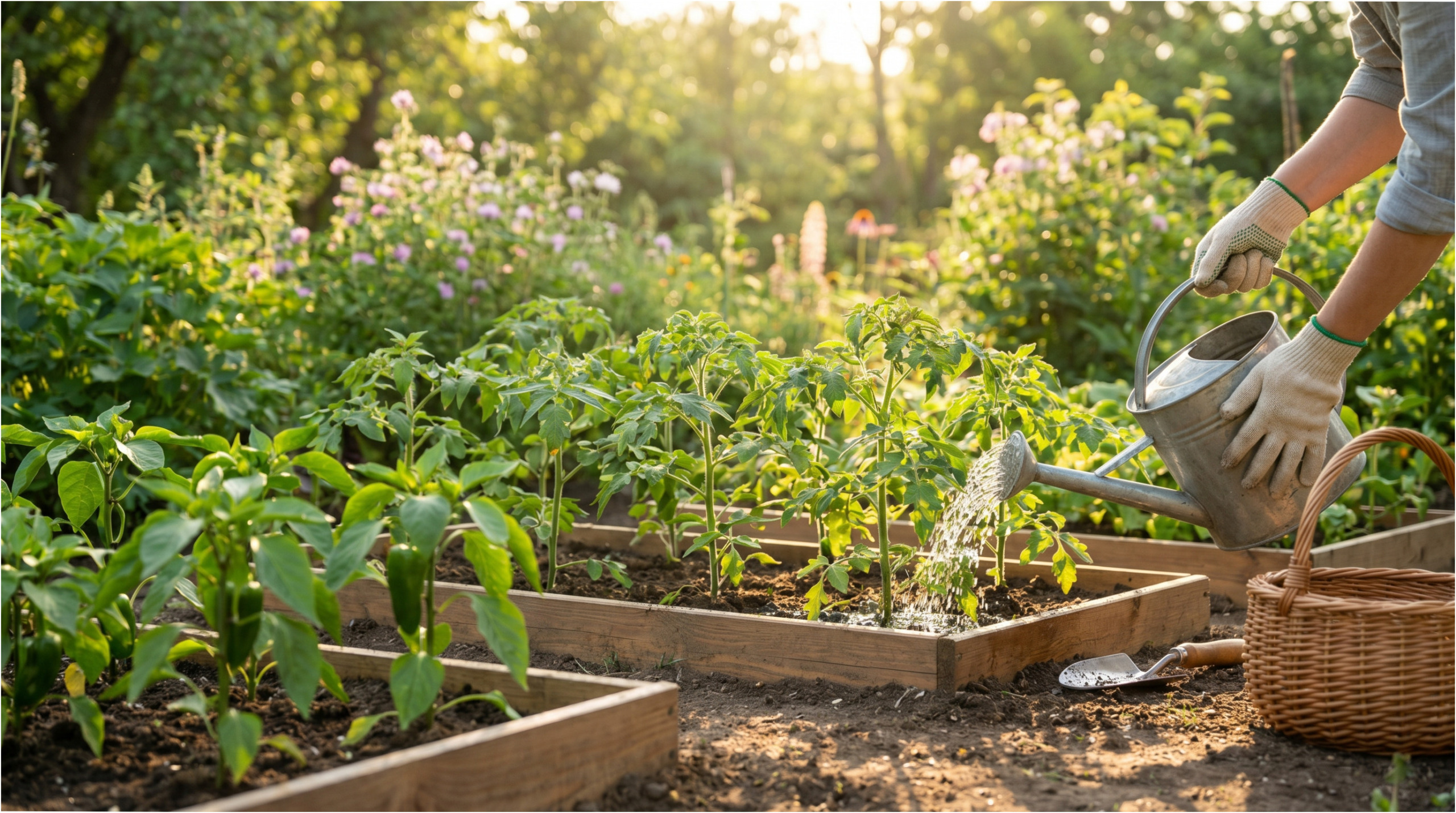
If the soil is dry, crumbly, and pulling away from the roots, the plant needs water. Water slowly at the roots so the moisture soaks in where the plant needs it.
2. Don’t Water Repeatedly After Planting
When planting, it’s good to thoroughly moisten the hole and plant into damp soil. But after that, you don’t need to keep watering every day just because the leaves droop a little. If the soil at the roots is still moist, more water can suffocate the roots.
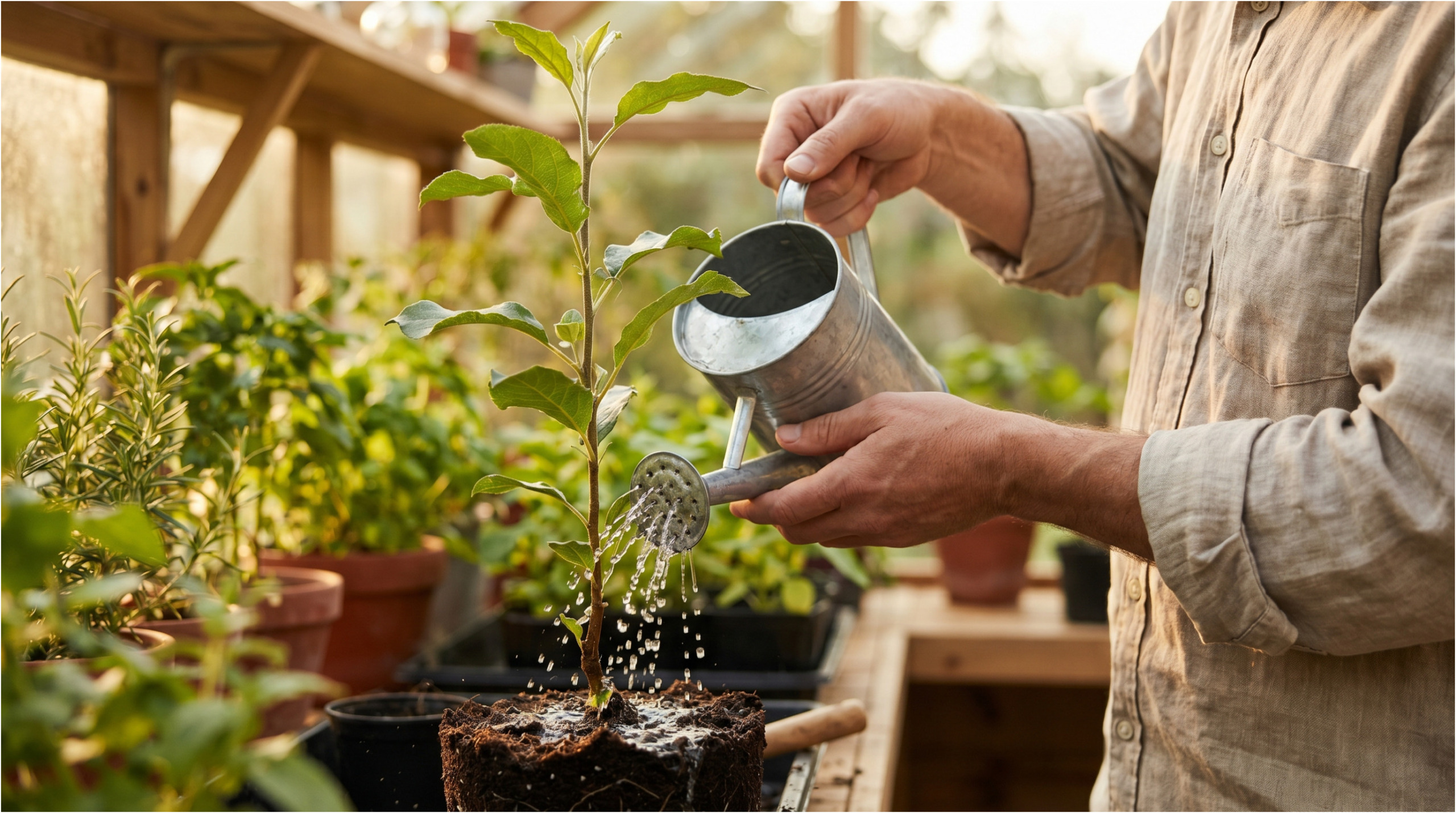
In heavier soil, water can linger for a long time. In light, sandy soil, it disappears quickly. So don’t go by the calendar, but by the condition of the soil.
3. Protect Seedlings from Harsh Sun
Seedlings started indoors, in a greenhouse, or under plastic can wilt quickly in direct sun. Their leaves aren’t used to strong sunlight and wind. The first two to three days after planting are the most sensitive.
Light shading with garden fleece, a crate, branches, or a temporary screen helps. The goal isn’t to put the plant in darkness, but to reduce stress during the hottest midday hours.
4. Don’t Fertilize on the First Day
When seedlings wilt after planting, many people want to “boost” them with fertilizer. But freshly transplanted plants often can’t absorb nutrients well. The roots are just settling in, and a strong feed can make things worse.
Wait to fertilize until the plant starts making new leaves or visibly strengthens. At that point, the roots are working better and gentle feeding makes more sense.
This happens very often with peppers.
5. Check if the Root Ball Is Dry
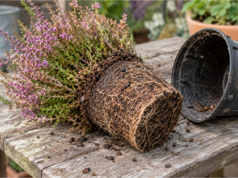
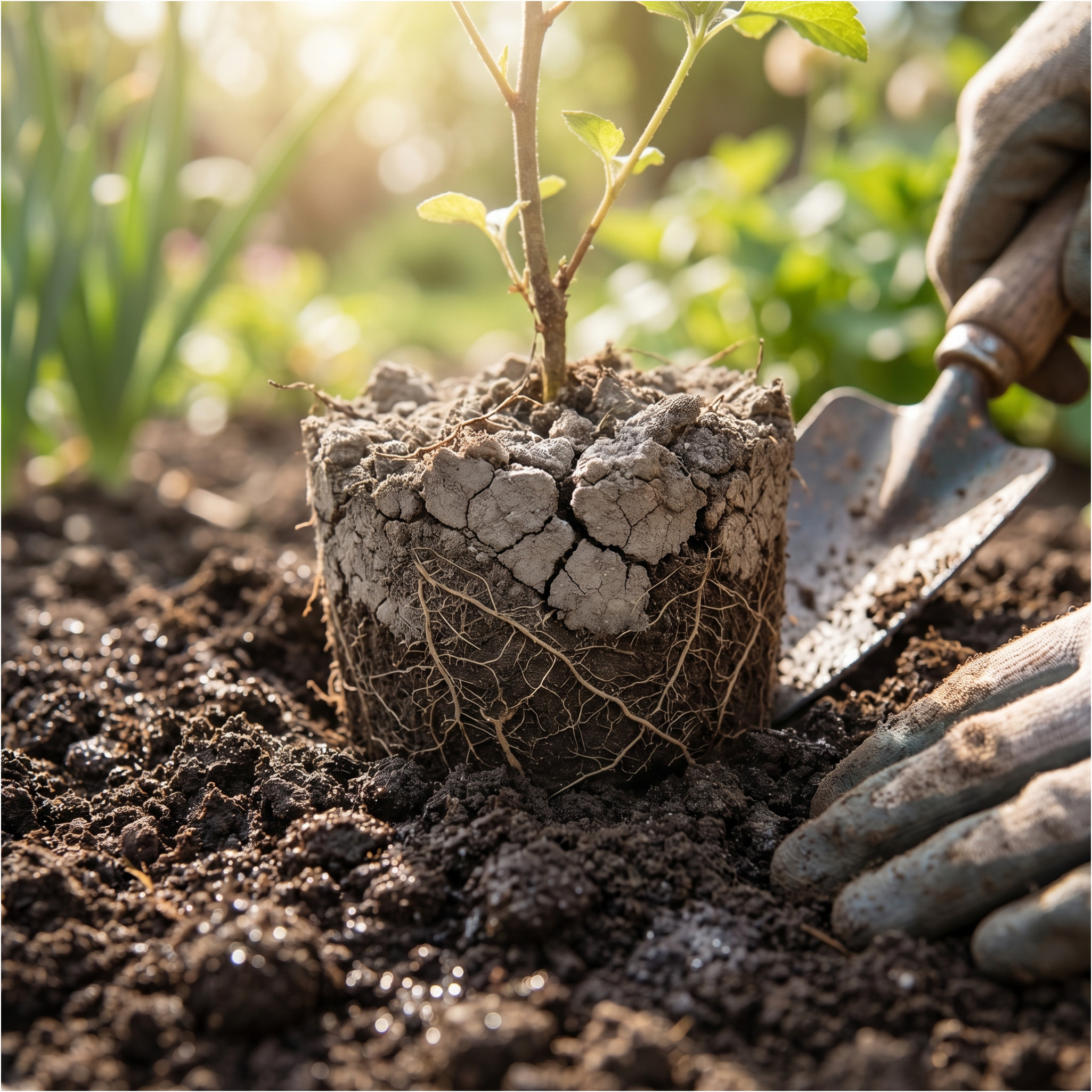
Sometimes the soil around the seedling is moist, but the root ball from the pot is still dry. This happens especially with seedlings that spent a long time in a small pot and the substrate became compacted.
When watering, water can run around the ball but not soak in. The plant wilts even though the surrounding soil looks watered. Slow watering at the roots and gently pressing the soil around the seedling helps.
6. Gently Press Soil Around the Seedling
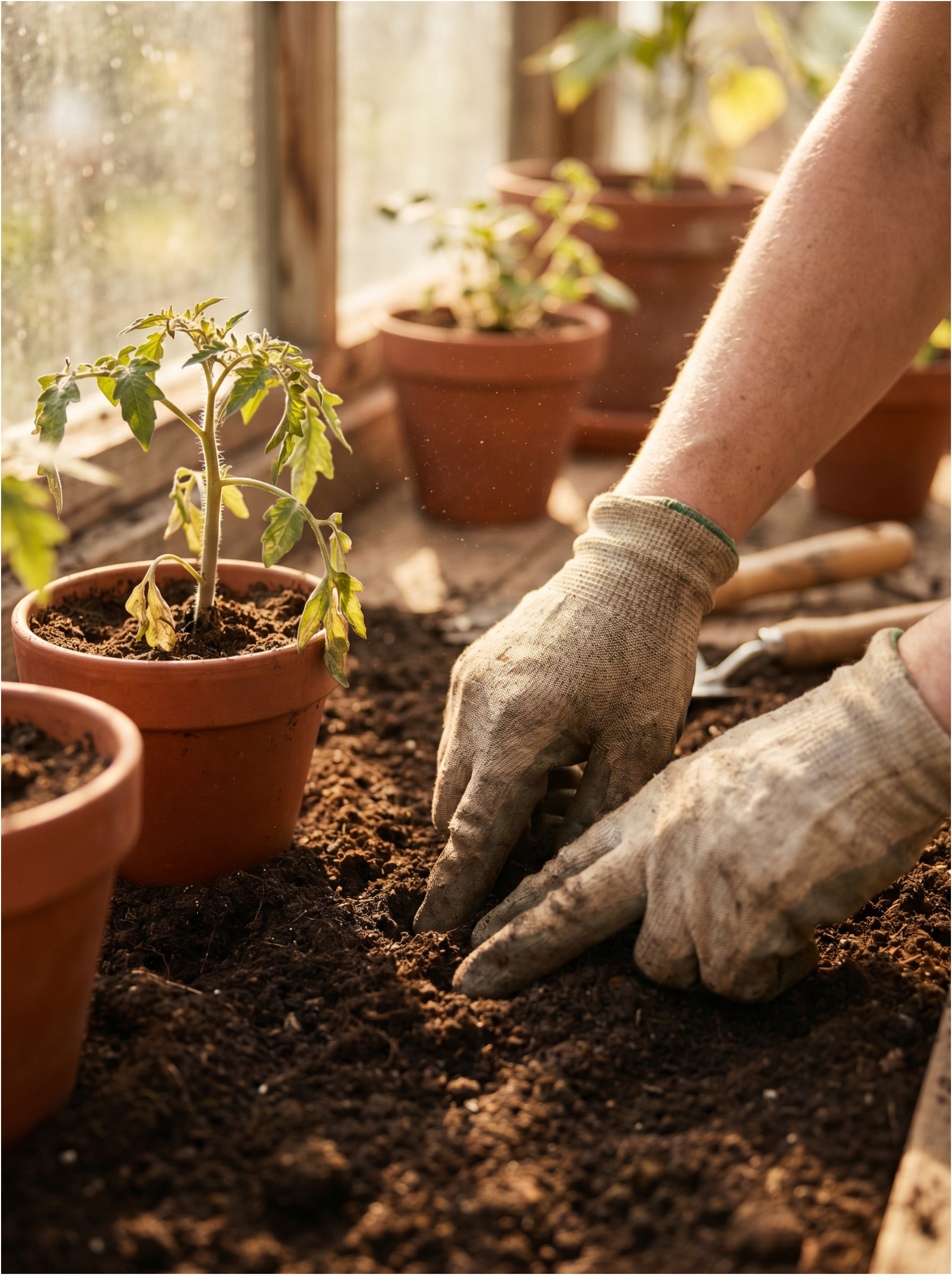
If air pockets remain around the roots, the plant absorbs water poorly. After planting, gently press the soil around the seedling. Don’t compact it hard, but make sure the roots have contact with the surrounding soil.
Then water slowly at the roots. The water helps the soil settle and the seedling to establish.
7. Beware of Cold Soil
Tomatoes, peppers, cucumbers, zucchinis, and basil are sensitive to cold. If you plant them in cold soil or cold nights arrive, growth stops and seedlings may look wilted.
Heavy fertilizing won’t help in this case. Plants mainly need warmth and protection. White garden fleece, a plastic cover, greenhouse, or temporary night protection can help.
8. Cucumbers and Zucchinis Are Sensitive to Root Disturbance
Cucumbers, zucchinis, and pumpkins dislike root damage. If the root ball falls apart or roots are disturbed during planting, the plant may wilt for several days. Usually, it just needs calm, moist soil, and protection from the sun.
With these plants, it’s worth transplanting carefully and disturbing the roots as little as possible. If the plant does wilt, check the soil and give it a few days to recover.
9. Tomatoes Are Tougher, But Still Need Time
Tomatoes are more resilient than cucumbers or peppers. They often droop a bit after planting but perk up in a few days. Deeper planting, steady watering, and support to prevent the stem from breaking in the wind all help.
If your tomato yellows, doesn’t grow, or has drooping leaves after planting, first check the soil and temperature. Fertilizer isn’t always the first solution.
10. Don’t Replant Seedlings Unnecessarily
When a plant wilts, you might think to dig it up and replant. But that usually adds more stress. If it’s not planted completely wrong, leave it in place and adjust the conditions around it.
Only replant if it’s in totally waterlogged soil with no drainage, planted too deep, roots are exposed, or it’s clear the spot is unsuitable.
11. Give the Plant Time to Root
In the first days after planting, nothing visible may happen. The plant may seem to stand still because it’s working underground. It’s making new roots, adjusting to the soil, and only then starts growing above ground.
Good signs are new small leaves, a firmer stem, and the plant looking fresher in the morning than in the evening. Midday wilting in heat can be temporary if the plant perks up again in the evening.
When Wilting Is Normal and When It’s a Problem
Slight wilting on the first or second day after planting is usually normal. If the plant perks up in the evening or morning, the stem is firm, and the leaves aren’t burned, give it time.
It’s a problem if the seedling keeps wilting, the stem softens, leaves blacken, the soil smells bad, or the plant lies lifeless for several days. Then you need to quickly find out if it’s overwatering, damaged roots, frost, sunburn, or disease.
What to Do Right Away If Seedlings Wilt
- Check the soil moisture at the roots.
- If the soil is dry, water slowly at the roots.
- If the soil is wet, don’t water.
- Lightly shade seedlings for 1–2 days.
- Protect them from wind and cold nights.
- Don’t fertilize right after planting.
- Let the plants root in peace.
The Most Common Mistakes After Planting Seedlings
- Watering every day without checking the soil.
- Fertilizing right after planting.
- Planting in midday sun without hardening off.
- Damaging the root ball during transplanting.
- Dry root ball planted into moist soil.
- Cold soil for heat-loving plants.
- Mulching too heavily right at the stem.
- Replanting again at the first sign of wilting.
How to Harden Off Seedlings to Prevent Wilting
The best prevention for wilting is hardening off. Don’t put seedlings used to a windowsill or greenhouse straight into full sun all day. Start gradually: first a few hours outside in the shade, then partial shade, and only finally full sun.
Hardening off takes a few days but helps plants a lot. Leaves get used to wind, sun, and temperature changes. After planting, they’re not in such a big shock.
When to Use Mulch
Mulch can help retain moisture, but don’t use it thoughtlessly. For freshly planted seedlings, don’t put a thick layer right at the stem. If the soil is cold and wet, mulch can slow warming and hold too much moisture.
Once the plant is established and the soil is warm, a thin, airy layer of mulch can be useful. It protects roots from swings and reduces drying out.
When It’s Better to Replace a Seedling
Sometimes a seedling can’t be saved. If the stem at the base turns black, softens, the plant breaks, roots smell bad, or leaves dry up completely, it’s better to replace it. You’ll save time and space in the bed.
But if the plant has a firm stem, a living tip, and just drooping leaves, give it a chance. Many seedlings recover from transplant shock within a few days.
Seedlings Mainly Need Stability
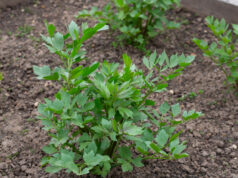
Wilted seedlings after planting don’t look good, but it’s often just a temporary shock. Instead of panicking, give them stable conditions: adequate moisture, protection from harsh sun, warmth, and time to root.
Don’t water blindly, don’t fertilize on the first day, and don’t replant just because the leaves drooped. If you first check the soil, roots, sun, and temperature, you’ll usually quickly find out what’s missing. And often you’ll see the plant doesn’t need a miracle, just a few days of patience.
Most often due to transplant shock, root damage, intense sunlight, wind, cold soil, dry root ball, or overwatering.
First, check the soil. If it’s dry, water at the roots. If it’s wet, additional watering may further weaken the seedling.
Only when they start to grow again, producing new leaves and looking sturdier. Fertilizing right after planting can be an unnecessary burden for weakened roots.
Usually a few days, longer for more sensitive plants. If the plant is lifting in the morning and has a firm stem, give it time.
Check the soil, water only as needed, lightly shade them for a few days, protect from cold and wind, and do not fertilize until they establish.