
Yeast has been a staple among home gardening tricks for a long time. People use it for tomatoes, cucumbers, peppers, and flowers because it’s cheap, easily available, and preparing the watering is simple. But this simplicity often leads to overuse.
Tomatoes won’t be covered in fruit overnight just because of yeast watering. Yeast is not a complete fertilizer and can’t replace good soil, compost, proper watering, light, or ventilation. But it can serve as occasional home support, especially for healthy plants that have already rooted well.
Why Yeast Is Used for Tomatoes
Yeast contains substances that can boost soil life and gently encourage plant growth. That’s why gardeners use it mainly when tomatoes need a kick after rooting and to build a stronger green part.
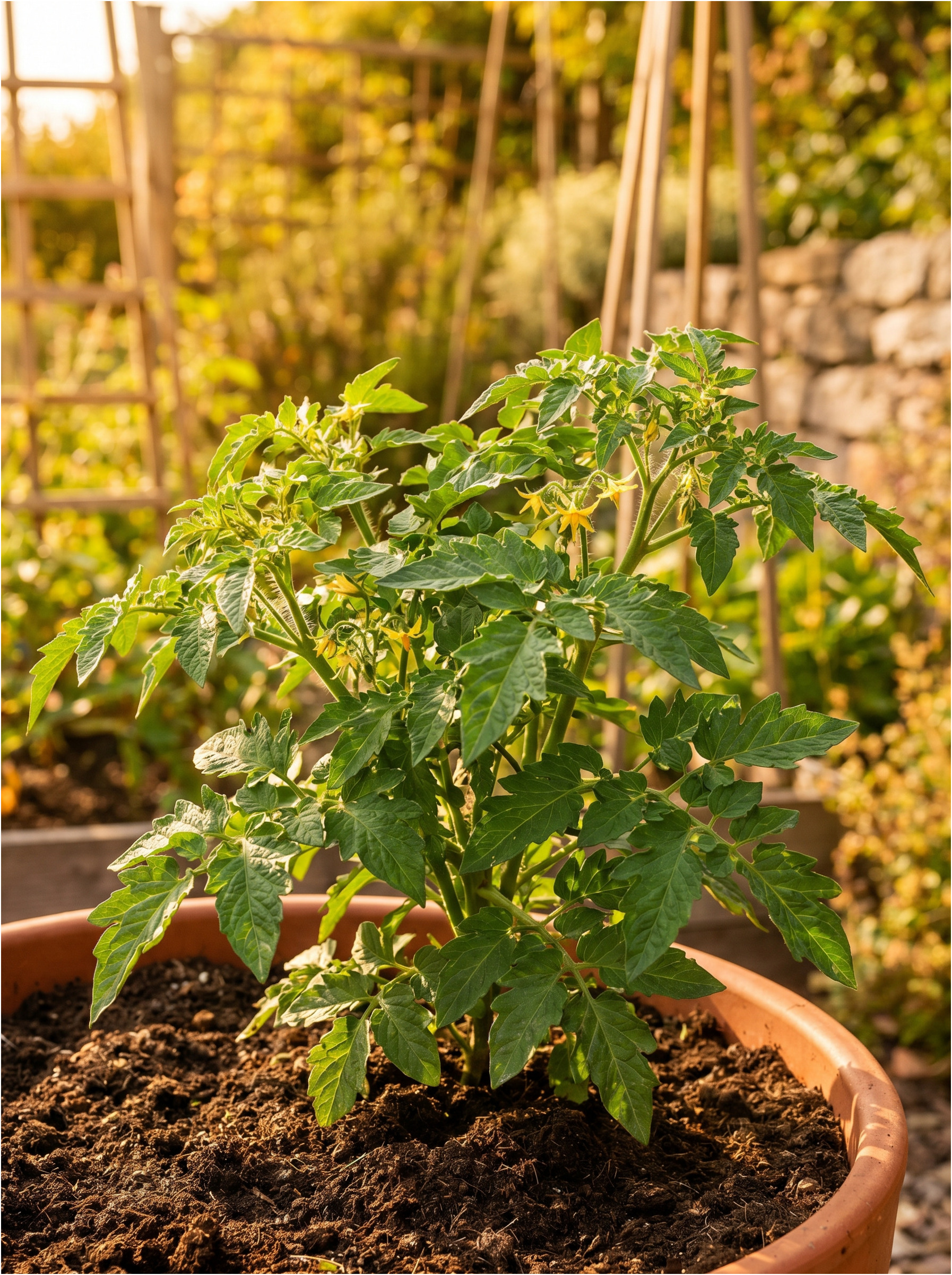
But this doesn’t mean yeast gives tomatoes everything they need for a rich harvest. Tomatoes need balanced nutrition, enough moisture, and the right conditions. If they lack light, roots are sitting in wet soil, or the stand is too dense, yeast watering won’t work miracles.
When Yeast Watering Makes the Most Sense
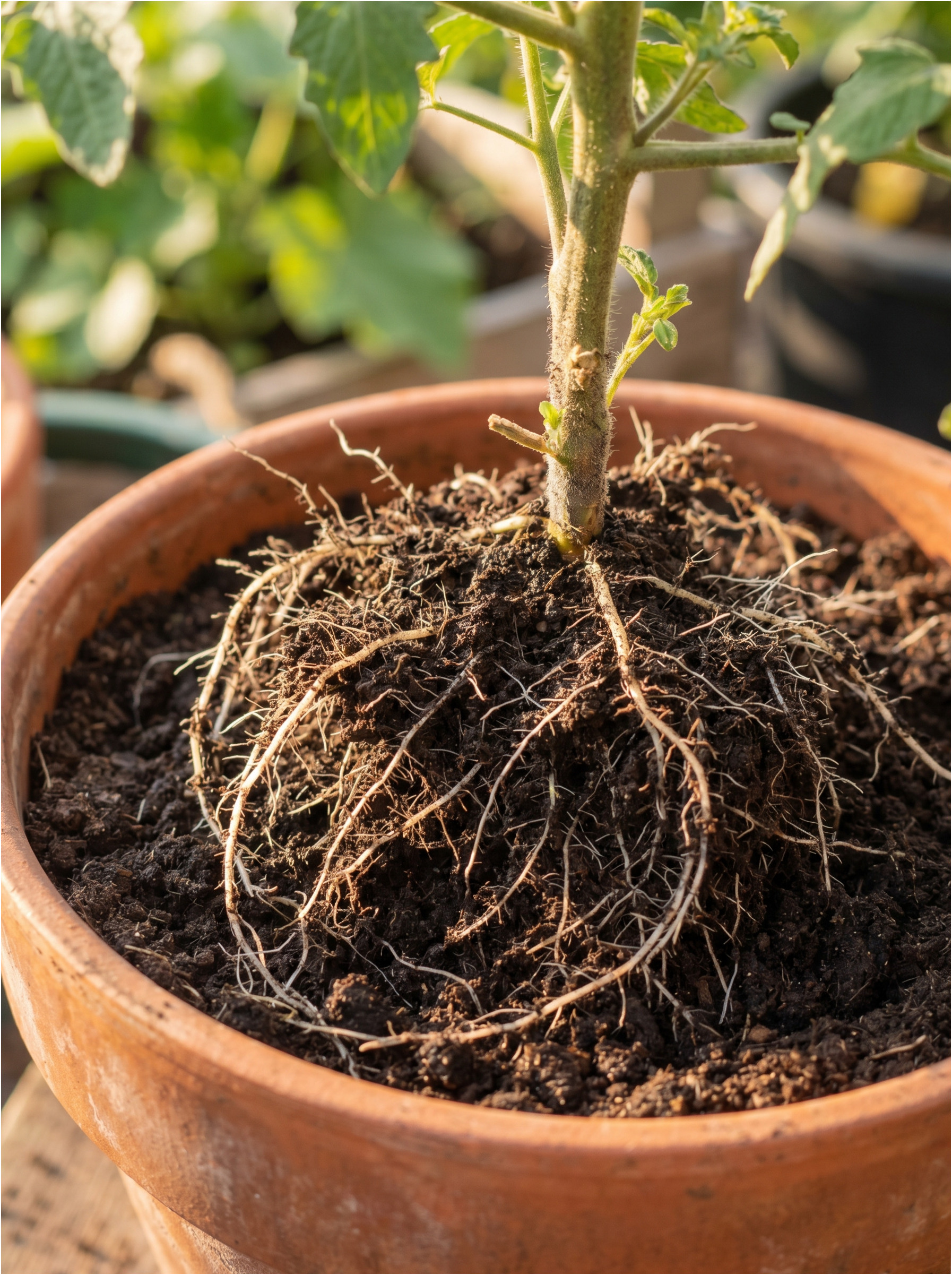
It’s most useful for tomatoes that have already settled after planting, are making new leaves, and don’t look stressed. If the plant has rooted, the soil isn’t waterlogged, and the tomato is growing healthily, a mild yeast watering can be a gentle boost.
On the other hand, don’t rush with yeast right after planting. Freshly transplanted tomatoes mainly need to root. Roots are sensitive after transplanting, and stronger home-made waterings may not do them any good.
When Not to Use Yeast for Tomatoes
Don’t use yeast if the soil is wet, heavy, and stays soggy for a long time. Tomatoes in waterlogged soil may wilt, yellow, and look weak, but the cause isn’t a lack of nutrients. Roots in wet soil don’t get enough air, and more watering can make things worse.
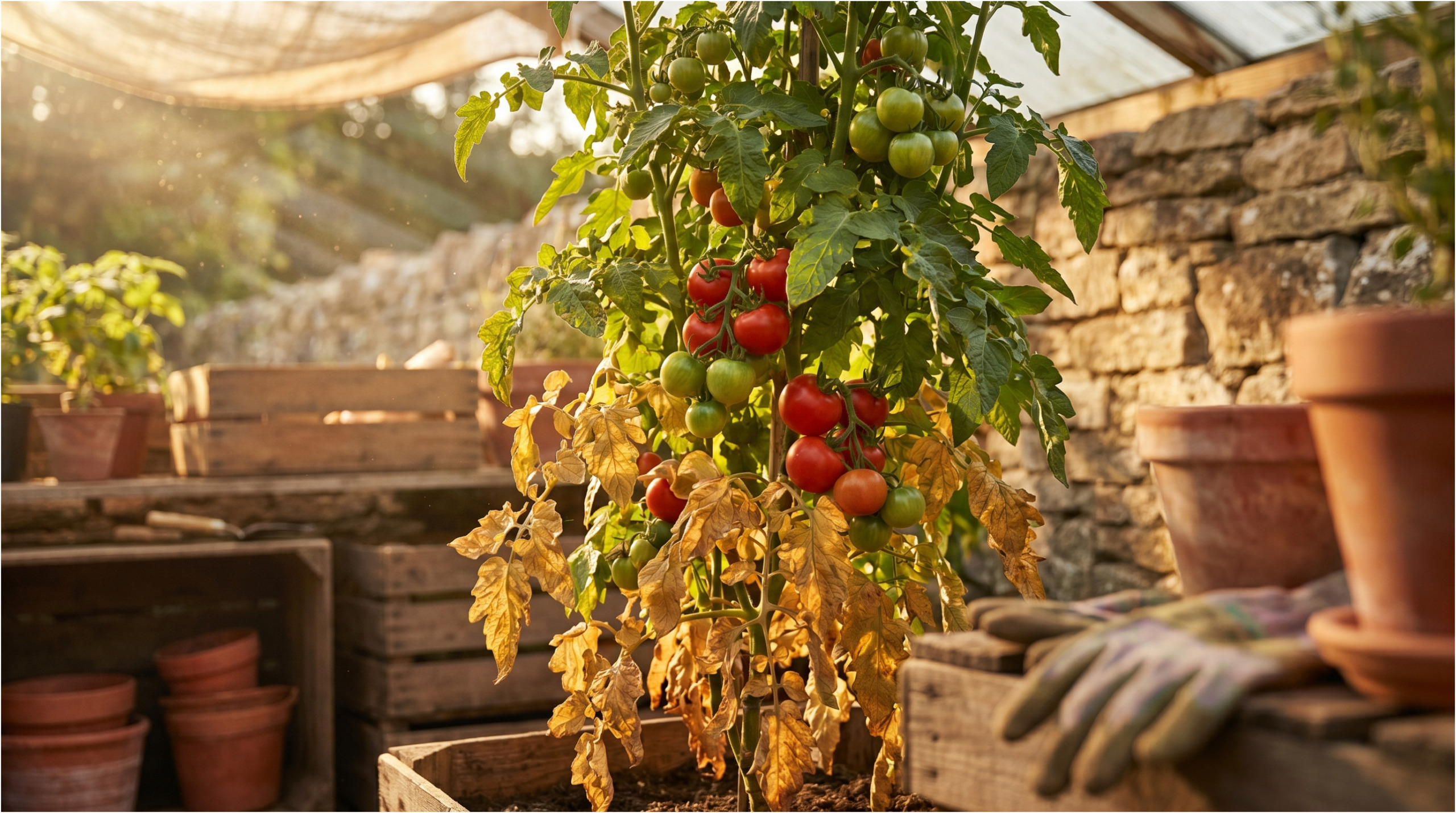
Also skip yeast for tomatoes with lots of dark green leaves, strong shoots, and few flowers. The problem there is often too much growth support. More watering that pushes the plant into green mass may not be suitable.
How to Prepare Yeast Watering
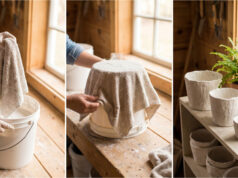
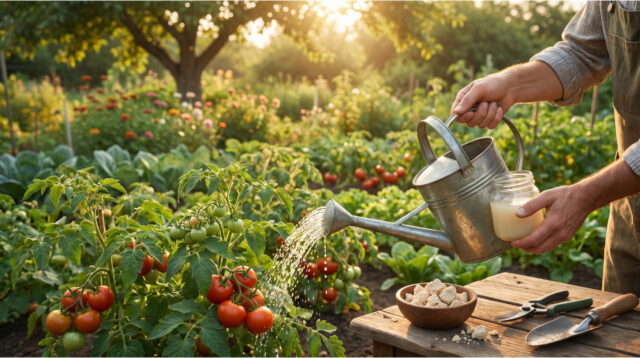
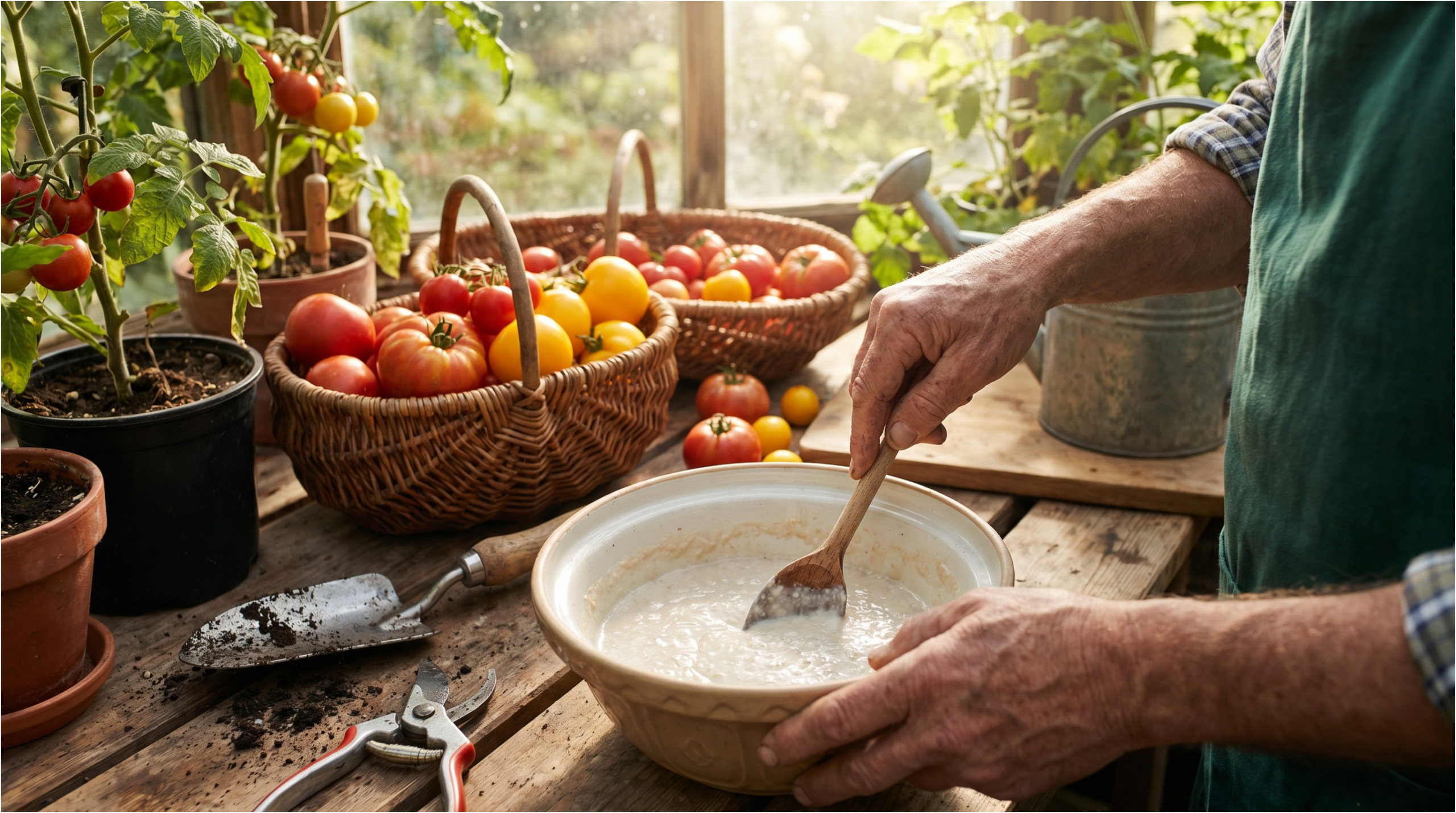
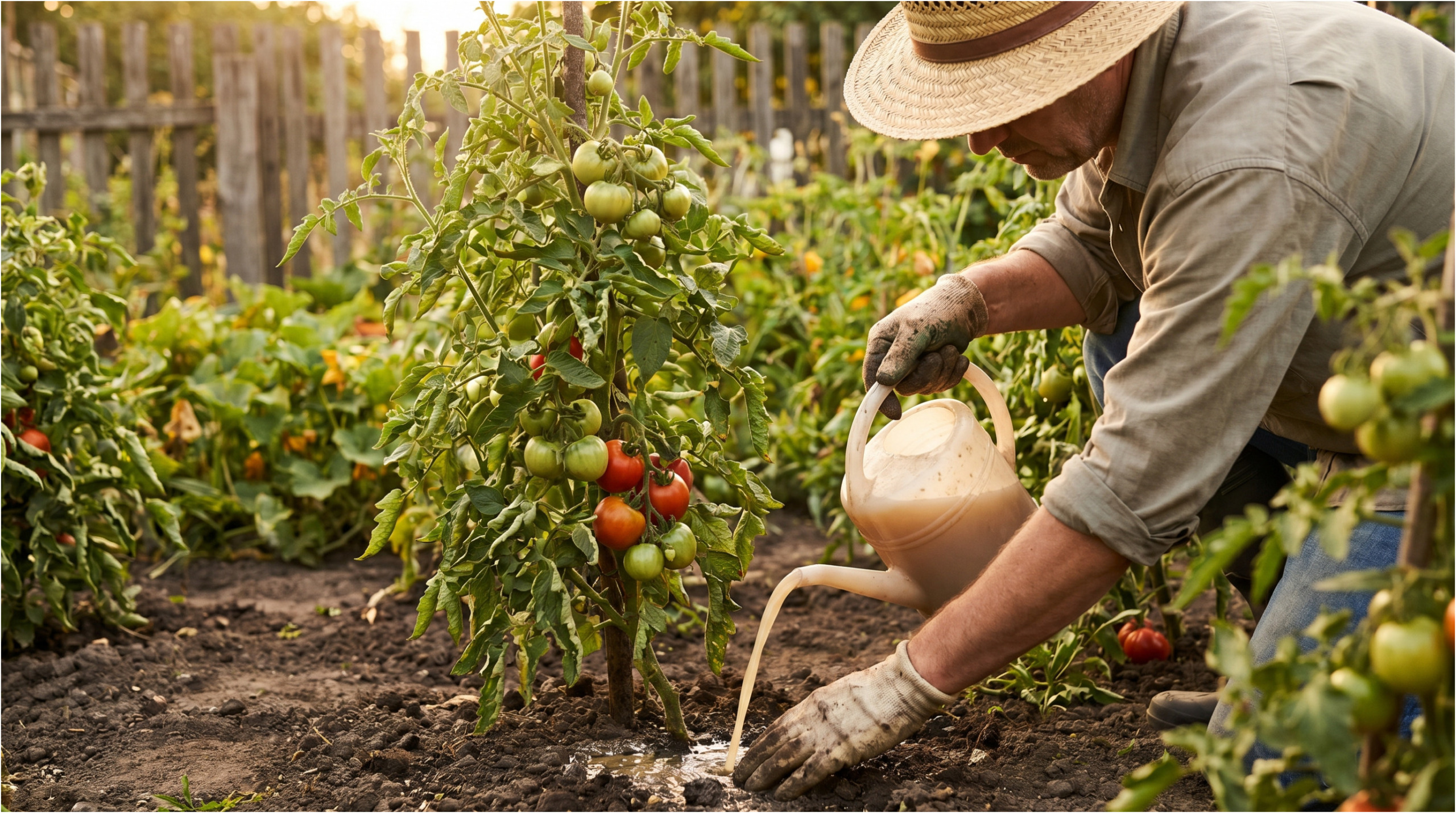
Yeast watering should be mild. Just dissolve a small amount of yeast in water, let it activate briefly, and then dilute it further. The mixture shouldn’t be thick, strong, or smelly.
Use it fresh. Don’t make a big bucket in advance or let the mixture sit for days in the warmth. If the watering ferments, smells bad, or looks suspicious, don’t pour it on your tomatoes.
Water Only at the Roots
Never pour yeast watering over leaves, flowers, or fruit. Tomatoes are sensitive to wet leaves for long periods, especially in damp weather or in a greenhouse. Water and watering belong at the roots.
It’s best to water in the morning or before noon. The plant then has time during the day to use the moisture, and the area around the roots dries better. Evening watering can be risky in cooler, damp weather, especially if water gets on the leaves.
How Often to Use Yeast
Don’t use yeast every week all summer. Occasional use is enough, mainly during the growth phase. Once tomatoes start flowering and setting fruit more, it’s better to switch to more balanced nutrition and not overdo leaf support.
If you’re already using compost, fruit vegetable fertilizer, nettle watering, or other home brews, add yeast very carefully. Combining several tricks at once often leads to not knowing what helped the plant and what harmed it.
Yeast Is Not Protection Against Blight
It’s often said that a strong plant resists problems better. That’s only partly true. Well-fed tomatoes have a better start, but yeast alone won’t stop blight. Fungal diseases are mainly related to moisture, dense stands, wet leaves, and poor ventilation.
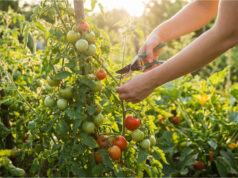
If you want to protect tomatoes from problems, the most important thing is to water at the roots, ventilate the greenhouse regularly, pinch out side shoots, and gradually remove lower leaves that touch the ground.
Beware of Overfeeding and Excessive Growth
Tomatoes that get too much growth support can create a beautiful green jungle. At first glance, they look healthy, but inside the stand, moisture lingers, flowers may pollinate poorly, and fruit may not develop as you expect.
If your tomatoes have lots of leaves and few fruits, it’s not time for more yeast. Instead, you need to adjust care, reduce nitrogen-rich waterings, and ensure better air flow.
What’s Better to Combine with Yeast
Yeast alone isn’t enough. Tomatoes mainly appreciate good soil, compost, regular watering, and support. If you want to grow without unnecessary chemicals, the basis is mature compost and moderate organic nutrition.
You can treat yeast watering as an occasional supplement. But don’t forget about pinching, tying, and checking leaves. These common steps often decide the harvest more than any home fertilizer.
Yeast, Nettles, or Banana Peels?
Each home trick has a different purpose. Nettle watering is mainly for the growth phase, banana brew can be a mild supplement during flowering and fruiting, compost watering supports the soil, and yeast can occasionally boost healthy plants.
The worst is to use everything at once. Tomatoes can then get too many different stimuli, and the result will be the opposite of what you want. Pick one method, use it mildly, and watch the reaction.
How to Tell If the Watering Suited Your Tomatoes
If tomatoes look firmer after a few days, make new healthy leaves, and keep growing, the watering probably didn’t harm them. But don’t expect an instant effect in one day. Plants react gradually.
If yellowing, wilting, brown leaf edges, or persistently wet soil appear after watering, don’t give another dose. First, check soil moisture and root condition.
Most Common Mistakes When Using Yeast on Tomatoes
- Using too strong a watering.
- Watering freshly transplanted tomatoes.
- Fertilizing into wet and heavy soil.
- Using yeast every week all season.
- Combining yeast, nettles, banana, and other brews at once.
- Watering over leaves instead of at the roots.
- Using smelly or long-standing mixtures.
- Trying to solve blight with yeast instead of ventilation and light.
Quick Steps for Safe Yeast Use
- Wait until tomatoes have rooted after planting.
- Check that the soil is not wet or cold.
- Prepare a mild, fresh yeast watering.
- Water only at the roots.
- Don’t use it on leaves or flowers.
- Skip other home fertilizers that week.
- Watch the plant’s reaction.
- During fruiting, use yeast only very carefully.
Yeast Can Help, but the Secret to a Good Harvest Lies Elsewhere
Ordinary yeast can be a cheap and interesting addition to tomato care. Experienced gardeners use it mainly because it can gently support growth and soil activity. But it works best for healthy, rooted plants in good conditions.
If tomatoes are standing in water, lack light, have grown into a jungle, or are troubled by leaf spots, yeast isn’t the first solution. In such cases, it’s better to adjust watering, thin the stand, ventilate, and remove damaged leaves. Yeast is a helper, not a miracle. And that’s the whole secret.
Yeast is used as a home remedy to support growth and soil life. It can gently encourage healthy, rooted plants, but it is not a complete fertilizer.
Only when the tomatoes have taken root after planting, are forming new leaves, and the soil is not wet. It is better to let the plants establish right after planting.
Yes, if the watering is too strong, used too often, poured into oversaturated soil, or combined with other homemade fertilizers without consideration.
Yeast alone does not stop blight. Dry leaves, airy growth, watering at the roots, ventilation, and regular monitoring mainly help against problems.
Use it only occasionally, mainly during the growth phase. Be cautious during flowering and fruiting to ensure that tomatoes do not produce mainly leaves at the expense of fruits.