

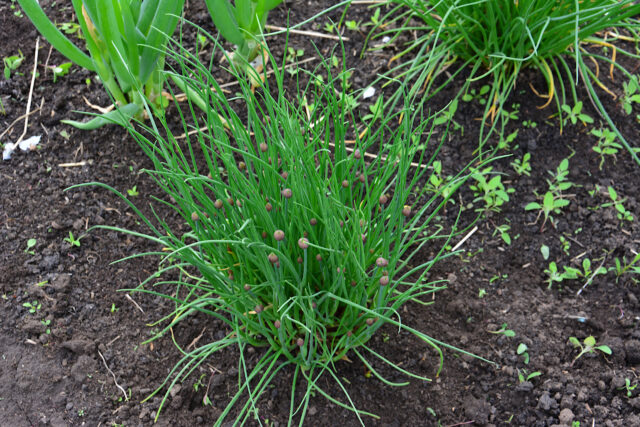
At first glance, chives seem like an undemanding herb that will grow almost anywhere. And to some extent, that’s true. With the right spot and regular care, they can thrive in the same place for several years, sprouting anew each spring and providing fresh green blades for spreads, soups, salads, and bread with butter throughout the season.
However, chives can also thin out quickly. Sometimes they lack enough light, are overwatered, depleted, or haven’t been trimmed properly for a long time. If you want to turn a few weak blades into a lush clump, focus on these key steps.
Chives Need Light, But Not Full Sun All Day
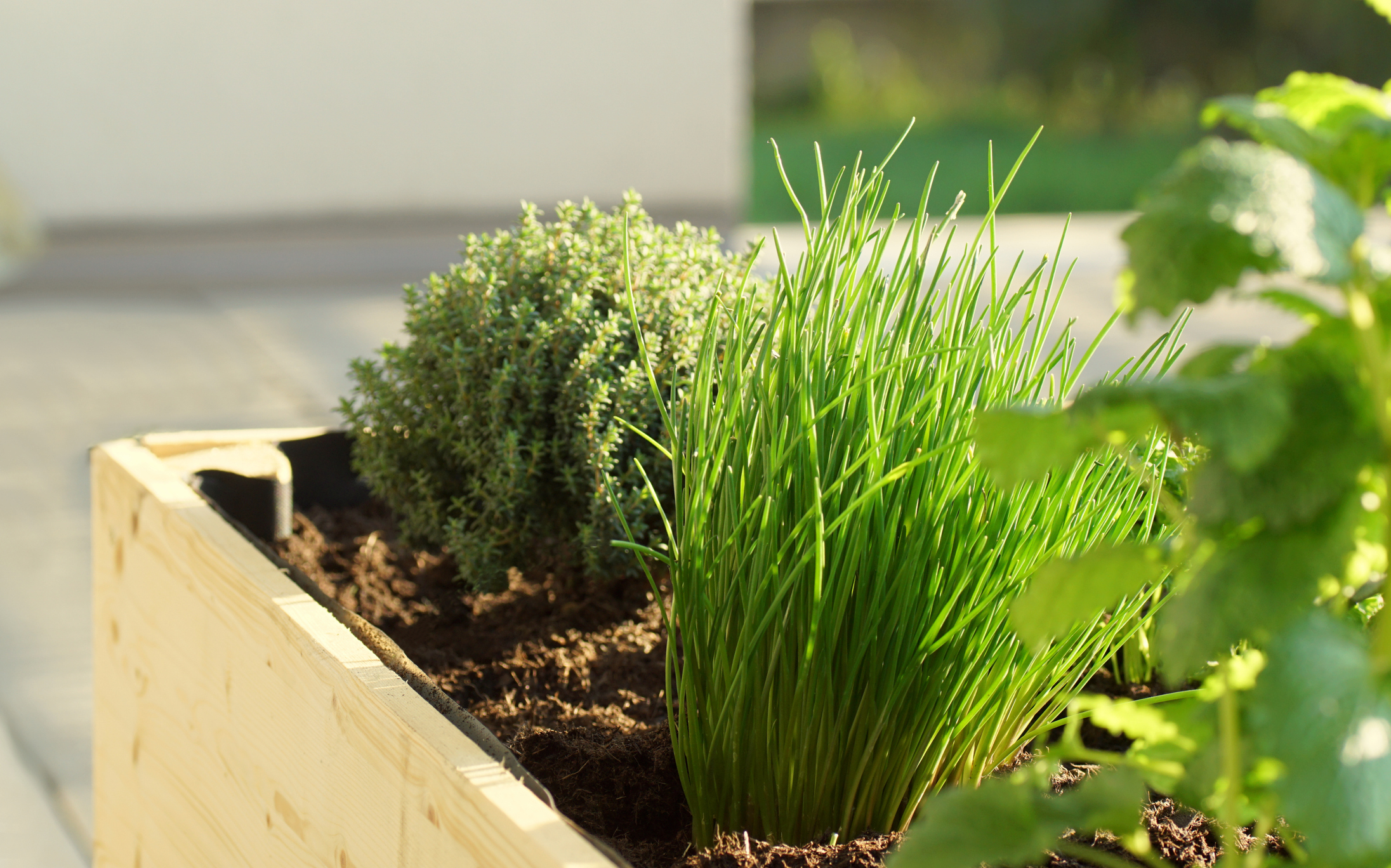
Chives thrive best in a bright spot with plenty of sunlight. The ideal place is a garden bed, window box, or pot that gets several hours of sun each day. In deep shade, chives tend to grow weak, stretch out, and form thin blades.
On the other hand, they don’t need to be in scorching sun all day. During hot summers, a bit of partial shade can help, especially if they’re growing in a pot where the soil dries out quickly. The key is to give them enough light without letting them suffer from prolonged drought.
Regular Trimming Is Essential
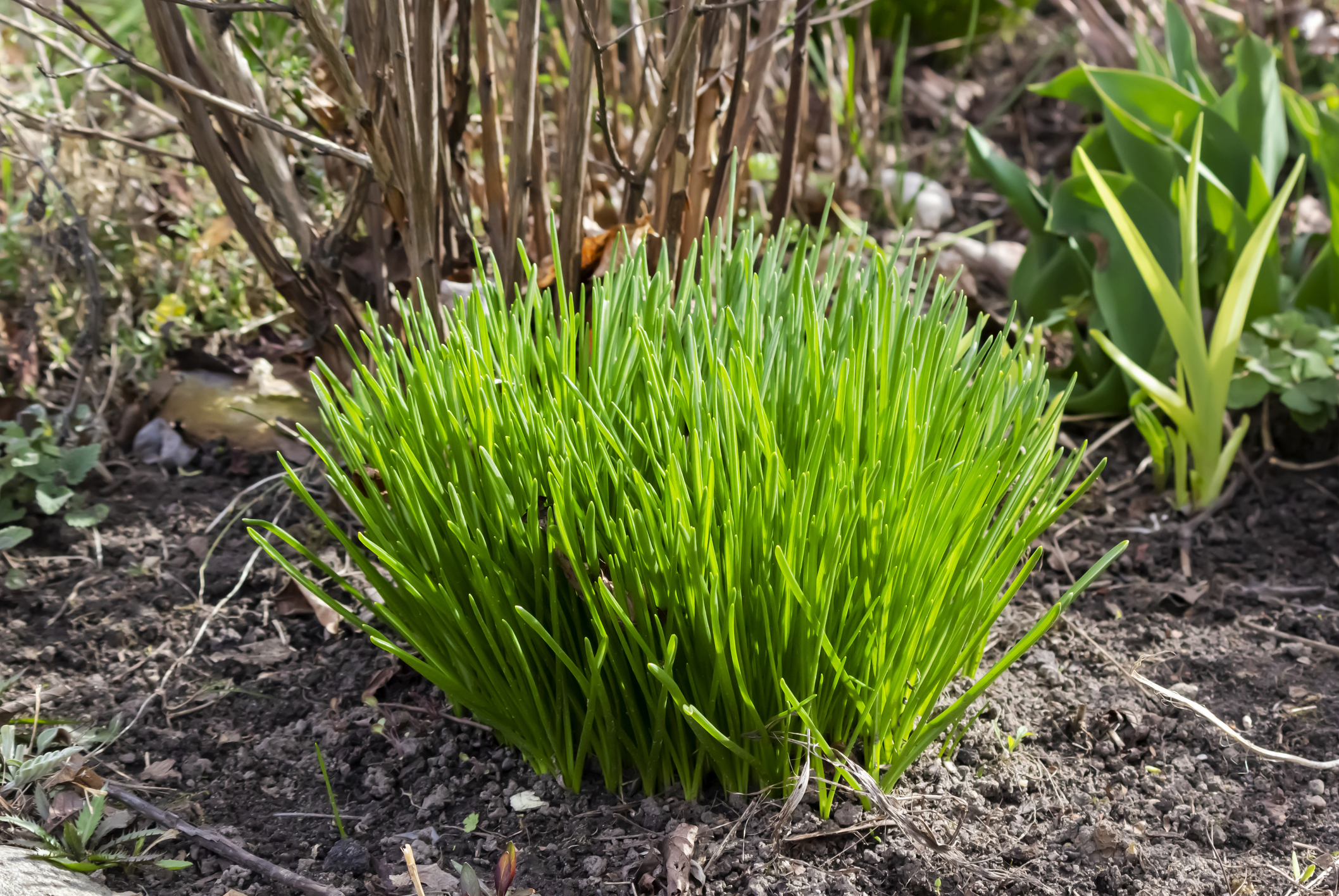
The biggest mistake with chives is picking a few blades here and there. The plant then regrows unevenly, some parts age, and the clump gradually loses vigor. It’s much better to trim chives regularly.
Use sharp scissors to cut them a few centimeters above the ground. Don’t be afraid to take a larger portion at once if the plant is healthy. Regular trimming encourages new shoots, making the chives denser, more tender, and tastier.
Don’t Let Chives Flower Unnecessarily
Chive flowers are beautiful and edible, but if you want mainly tender green blades, don’t let the plant flower for too long. Once chives send up flower stalks, they start putting energy into them, and the blades can become tougher.
If flowers appear, you can snip them off and use them in salads or as decoration. This will encourage the plant to produce new leaves instead of seeds.
Chives Like Moist Soil, But Hate Waterlogging
Chives need regular watering, especially in pots or during hot days. If the soil dries out for too long, the blades become thin, tougher, and may start to yellow. In the garden bed, older clumps cope better, but in containers, they’re dependent on your care.
Water so that the soil stays slightly moist, not constantly soggy. Overwatering can cause the roots to rot, leaving the chives looking tired, yellowing, and thinning out.
Note: If your chives are turning yellow, it’s not always due to dryness. Check to make sure they’re not sitting in soggy soil or in a pot without drainage holes.
Chives in Pots Need Enough Space
Chives from the supermarket often look nice only for a short time. They’re usually crammed into a small pot, quickly use up the nutrients, and start to wilt after a few days. If you want to keep them longer, transplant them into a larger container with quality soil.
A bigger pot retains moisture better, gives the roots more space, and the plant is less stressed. Drainage holes are important to prevent excess water from accumulating around the roots.
Divide Older Clumps to Rejuvenate Them
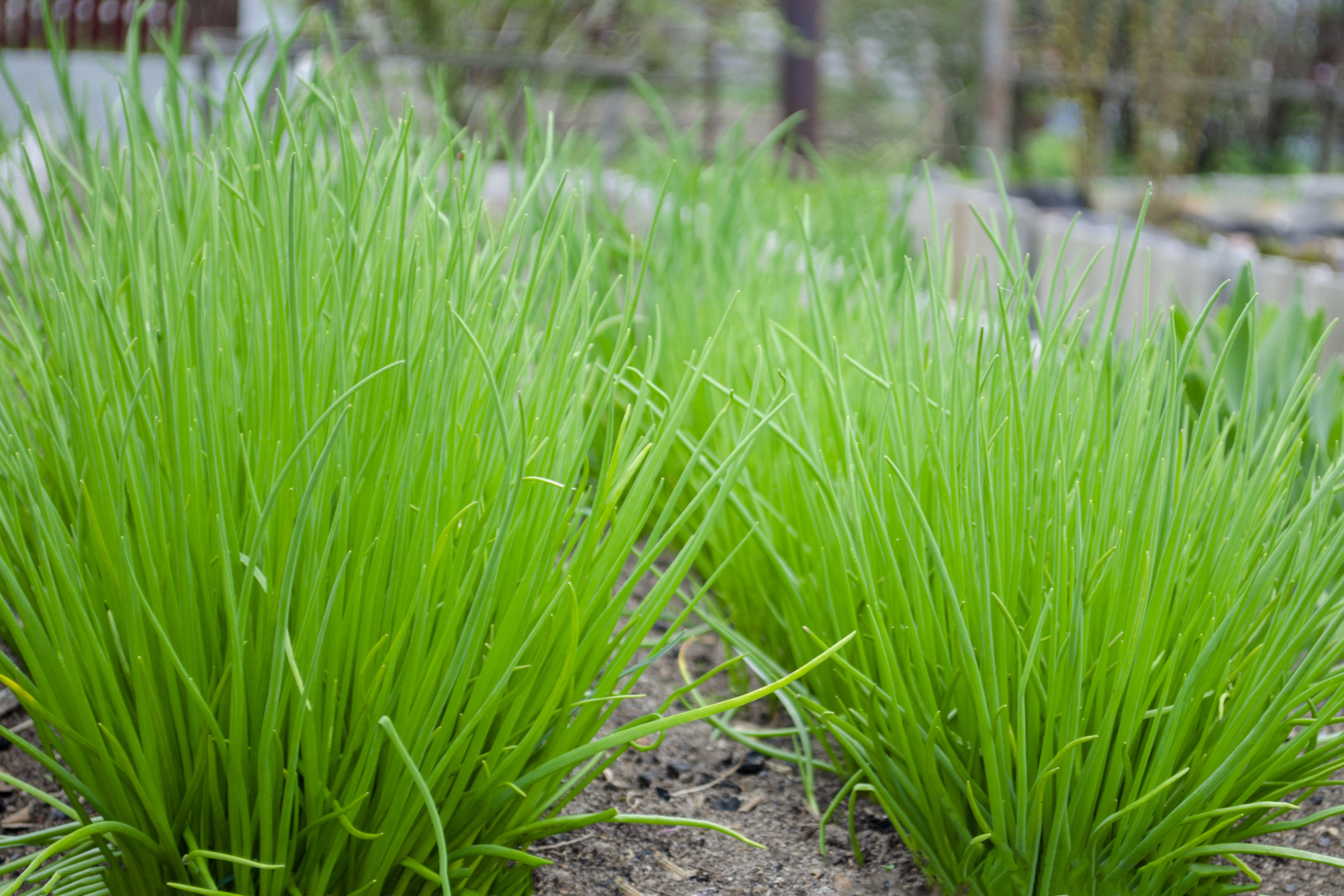
If you’ve had chives in the same spot for several years, they may start to thin out in the center. This is natural. Older plants get depleted and need rejuvenation. The simplest way is to dig up the clump, divide it into several smaller parts, and replant.
The best time is spring or early autumn. Each divided part should have roots and a few healthy blades. After transplanting, water the chives well and give them time to root.
How to Feed Chives
Chives don’t need heavy feeding, but if you trim them often, they’ll appreciate a gentle boost. In the garden bed, a bit of mature compost in spring is usually enough. In pots, nutrients are used up more quickly, so it’s good to add a mild organic fertilizer from time to time.
Avoid strong doses of fertilizer. Chives should be tender and fresh, not overly lush and watery. Regular, gentle care is better than occasional overfeeding.
Why Are My Chives Turning Yellow?
Chives can turn yellow for several reasons. Most often, it’s due to lack of water, overwatering, insufficient light, depleted soil, or an old clump. In pots, the problem is often a small container and fast-drying soil.
Before you start fertilizing, first check your watering and placement. If the soil is dry, water more regularly. If it’s always wet, cut back on watering and check for proper drainage.
How to Harvest Chives So They Regrow
Harvest chives with sharp scissors, not by pulling. Pulling can damage the roots or tear out weaker parts of the clump. Always cut as much as you need, but do it regularly. The plant will then produce new, young shoots.
If your clump is weak, don’t cut it all at once. Let some blades grow so the plant has enough strength. With a strong clump, you can be more generous with trimming.
Chives in the Garden, on the Balcony, or in a Herb Spiral
You can grow chives in a traditional garden bed, window box, pot, or as part of a herb spiral. In the garden bed, they’re more resilient and cope better with changing weather. In pots, they’re always close at hand on the balcony or windowsill.
In a herb spiral, chives are best placed in the middle or lower part, where there’s a bit more moisture than for drought-loving herbs like thyme or rosemary. If you’re combining them with other herbs, make sure they have similar watering needs.
A Lush Clump Doesn’t Happen Overnight
If you only have a few weak blades, don’t expect a miracle in two days. Chives need some time to root, strengthen, and start regrowing regularly. If you give them light, adequate moisture, a bigger pot, or rejuvenate an old clump, you’ll soon see results.
The most important things are regular trimming, sensible watering, and not overdoing it with fertilizer. Chives are a simple herb, but with the right care, they’ll reward you with a thick green clump you can harvest all summer long.
Chives can turn yellow due to drought, overwatering, lack of light, depleted substrate, or an old clump. First, check the watering, drainage, and location.
Cut chives with sharp scissors a few centimeters above the ground. Do not pull out individual stems, as this can damage the plant. Regular trimming encourages denser growth.
Yes, chives grow well in a pot. However, they need a sufficiently large container, quality substrate, drainage holes, and regular watering.
An older clump is best divided in spring or early autumn. Dividing rejuvenates the chives, yields more plants, and promotes denser growth.
Chive flowers are edible and attract pollinators. However, if you mainly want tender green stems, remove some flower stalks so the plant doesn’t put all its energy into seeds.