
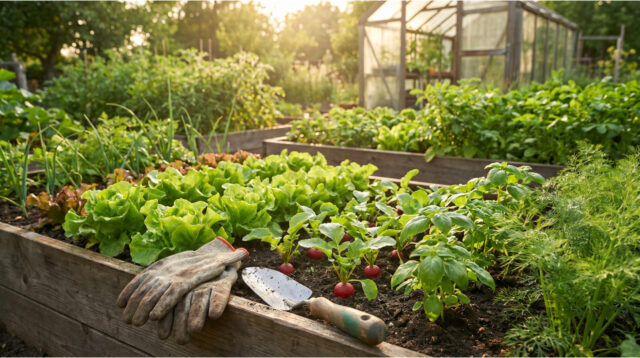
Garden doesn’t have to be finished just in spring. Early summer is often when space opens up after harvesting radishes, lettuces, spinach, or early crops. Sometimes seedlings don’t take, other times corners remain empty, and some people simply start gardening later. But that doesn’t mean you have to wait until next season.
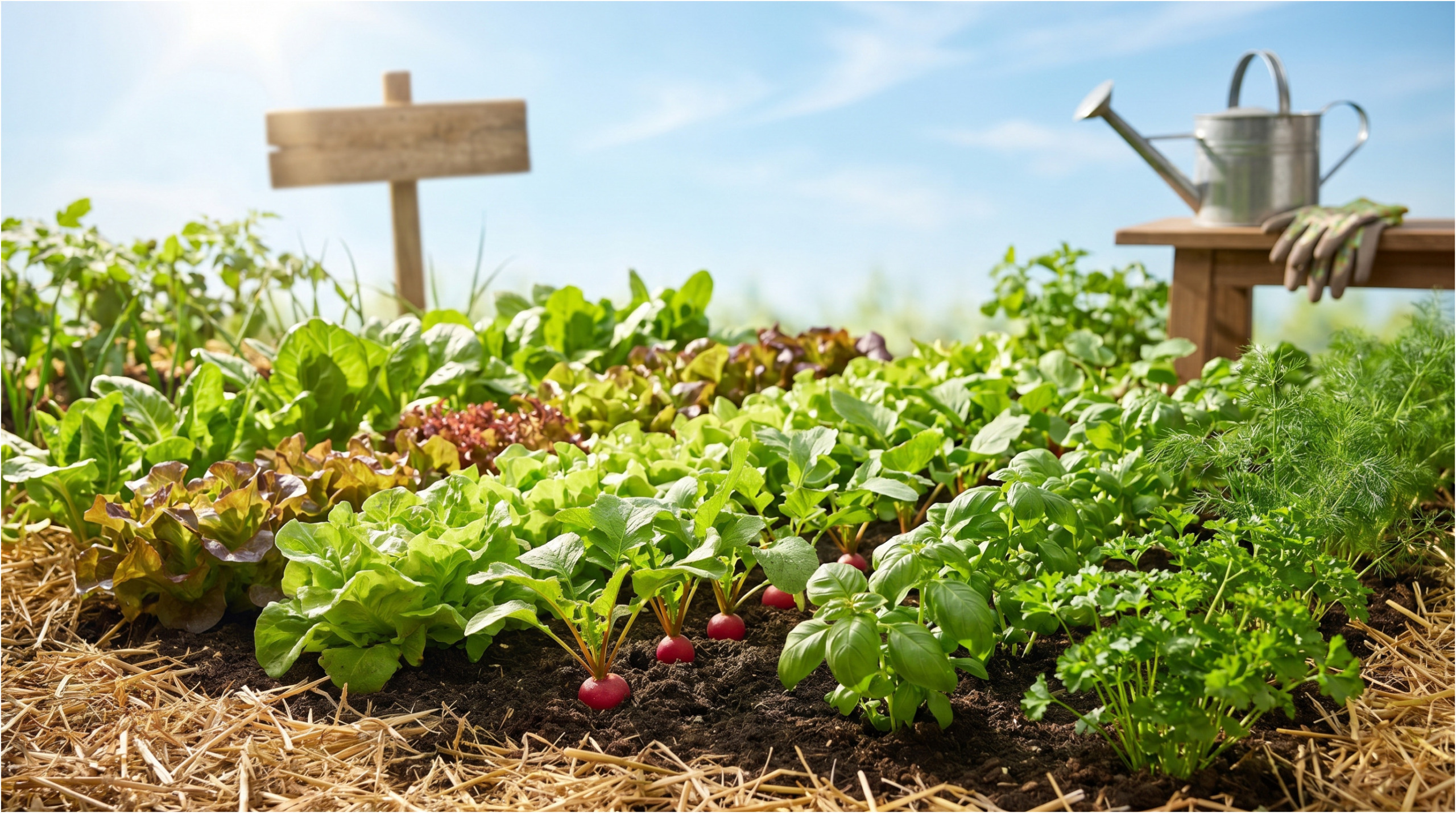
Just pick crops that grow quickly, can handle warmer weather, or are suitable for successive sowings. Some will yield in just a few weeks, others will start producing in the second half of summer. The key is not to forget about moisture, provide light shade for young seedlings, and use soil that isn’t completely depleted.
Why It’s Worth Planting Later
Later sowings and plantings have one big advantage: they make use of free space in the beds. The soil doesn’t stay empty, weeds are less likely to take over, and you can harvest continuously instead of everything ripening at once.
Moreover, some crops absolutely love the warm season. Beans, zucchinis, cucumbers, certain herbs, or leafy greens can quickly kickstart their growth with good watering. Just remember that summer sowing has different requirements than spring—mainly, don’t let it dry out.
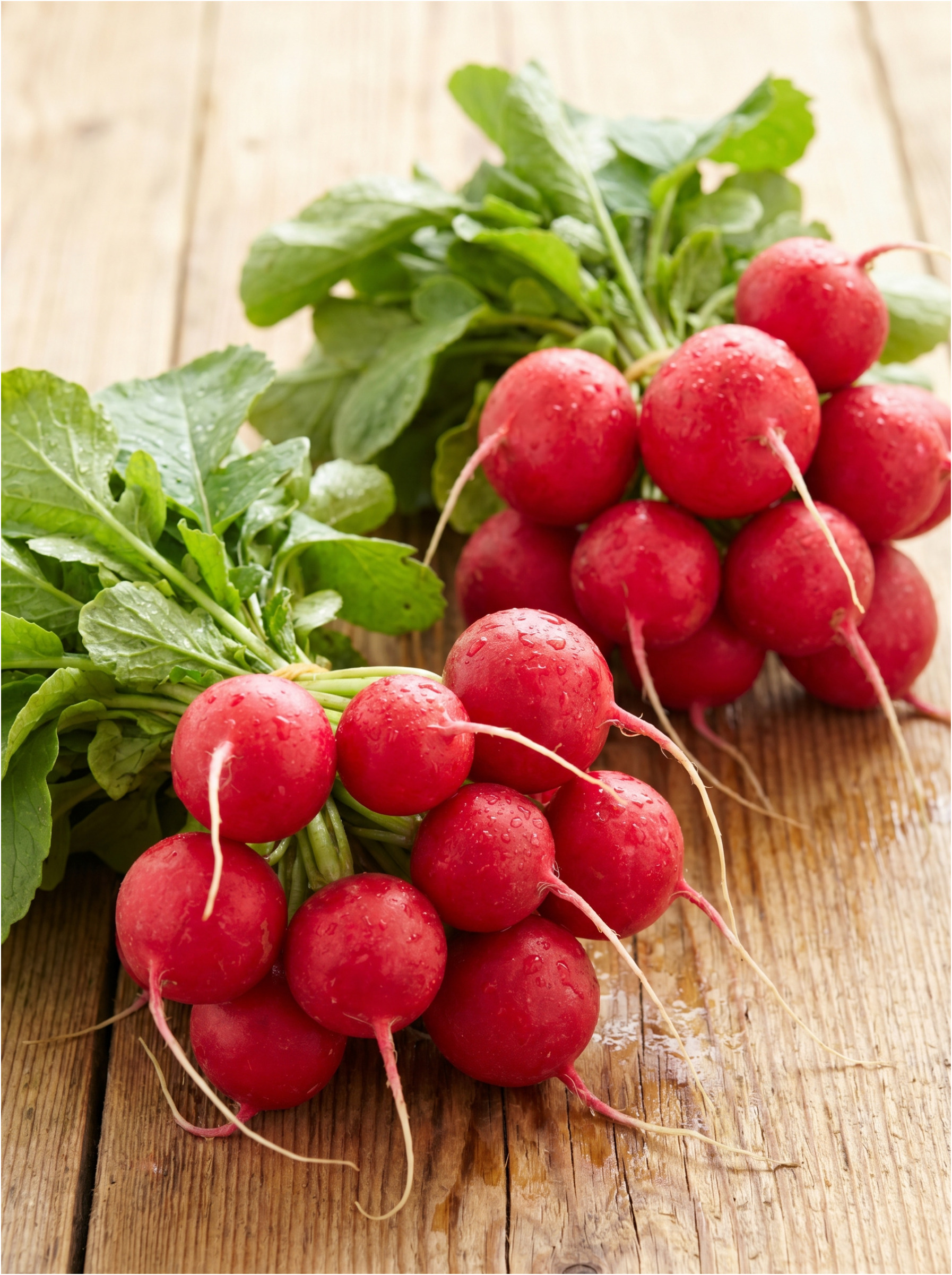
1. Radishes for a Quick Harvest
Radishes are among the fastest crops you can grow in your garden. If you choose the right variety and provide even moisture, you can harvest in just a few weeks.
In summer, you need to watch out for the heat. In dry and hot weather, radishes can get woody, crack, or bolt. So, sow them in a spot with partial shade for part of the day, or protect them with garden fleece.
2. Lettuces, Arugula, and Leafy Greens
Leafy greens are ideal for successive sowings. Arugula, loose-leaf lettuces, mizuna, or lamb’s lettuce can quickly fill empty spots later in summer. For lettuces, choose varieties suitable for summer growing, which are less likely to bolt.
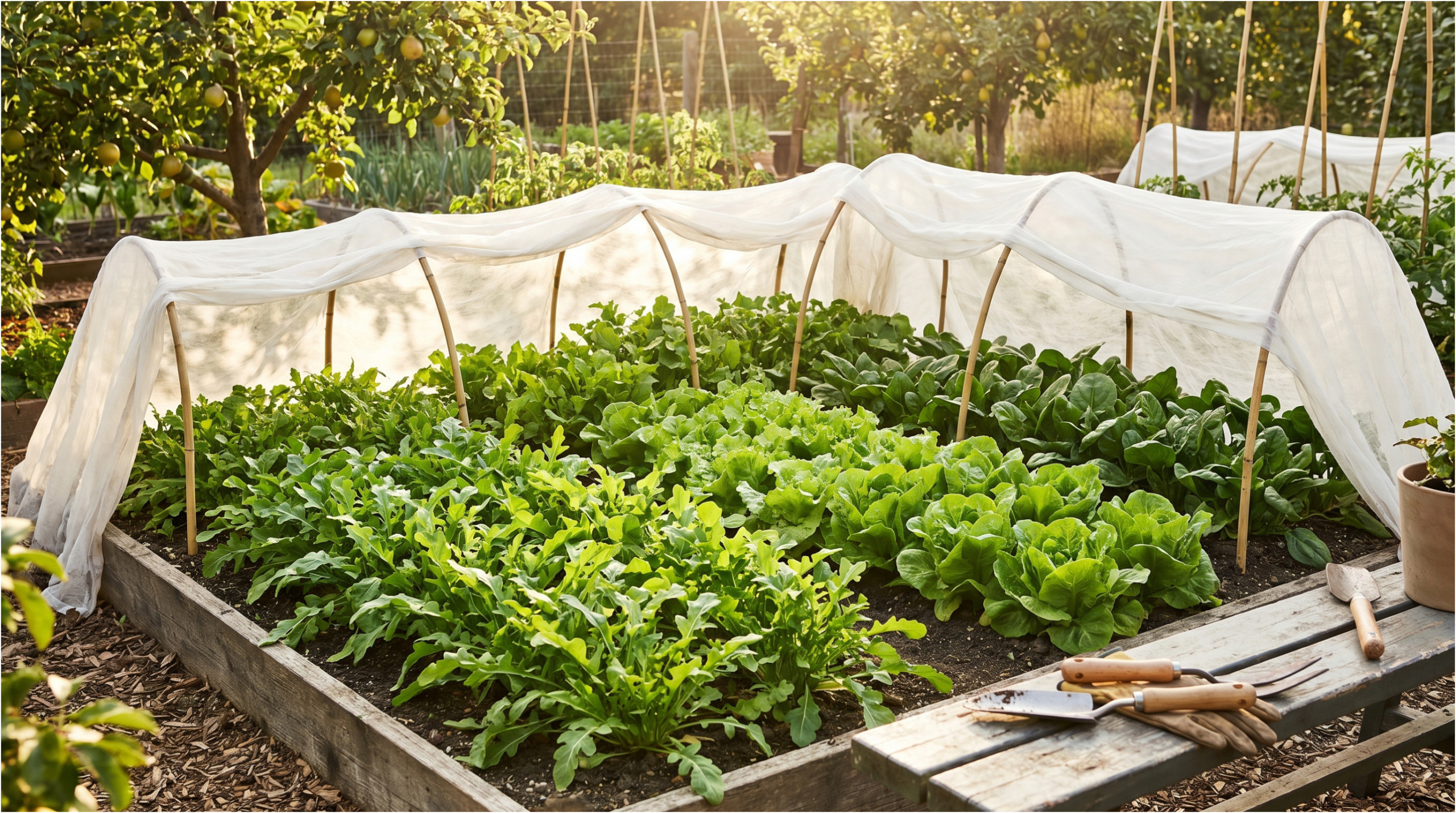
The biggest risk is drought. Young plants have shallow roots and wilt quickly. After sowing, keep the soil consistently slightly moist, but not waterlogged. In hot weather, sowing under light fleece or in partial shade helps.
3. Beans Will Still Grow If Sown Later
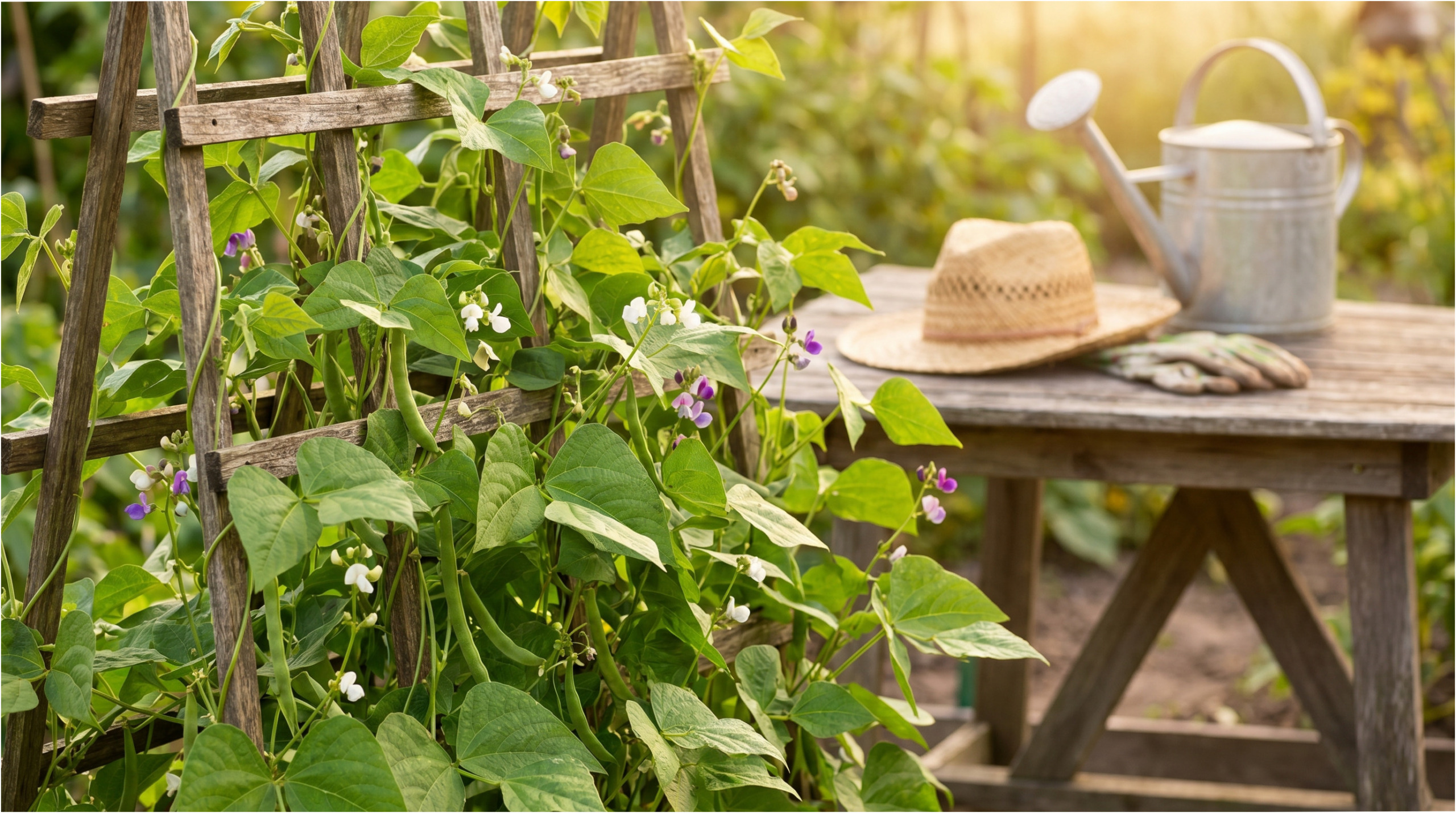
Bush beans are a great choice for later sowing. They grow quickly, don’t need complicated supports, and germinate well in warm weather. If you sow them into warm soil and water regularly, you can still harvest beans in summer.
Beans don’t like cold or waterlogged soil, but they thrive in warmth. Sow them in a sunny spot and don’t let the bed dry out, especially during germination and pod formation.
4. Zucchinis and Pattypans Can Still Produce
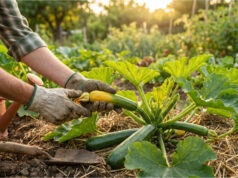
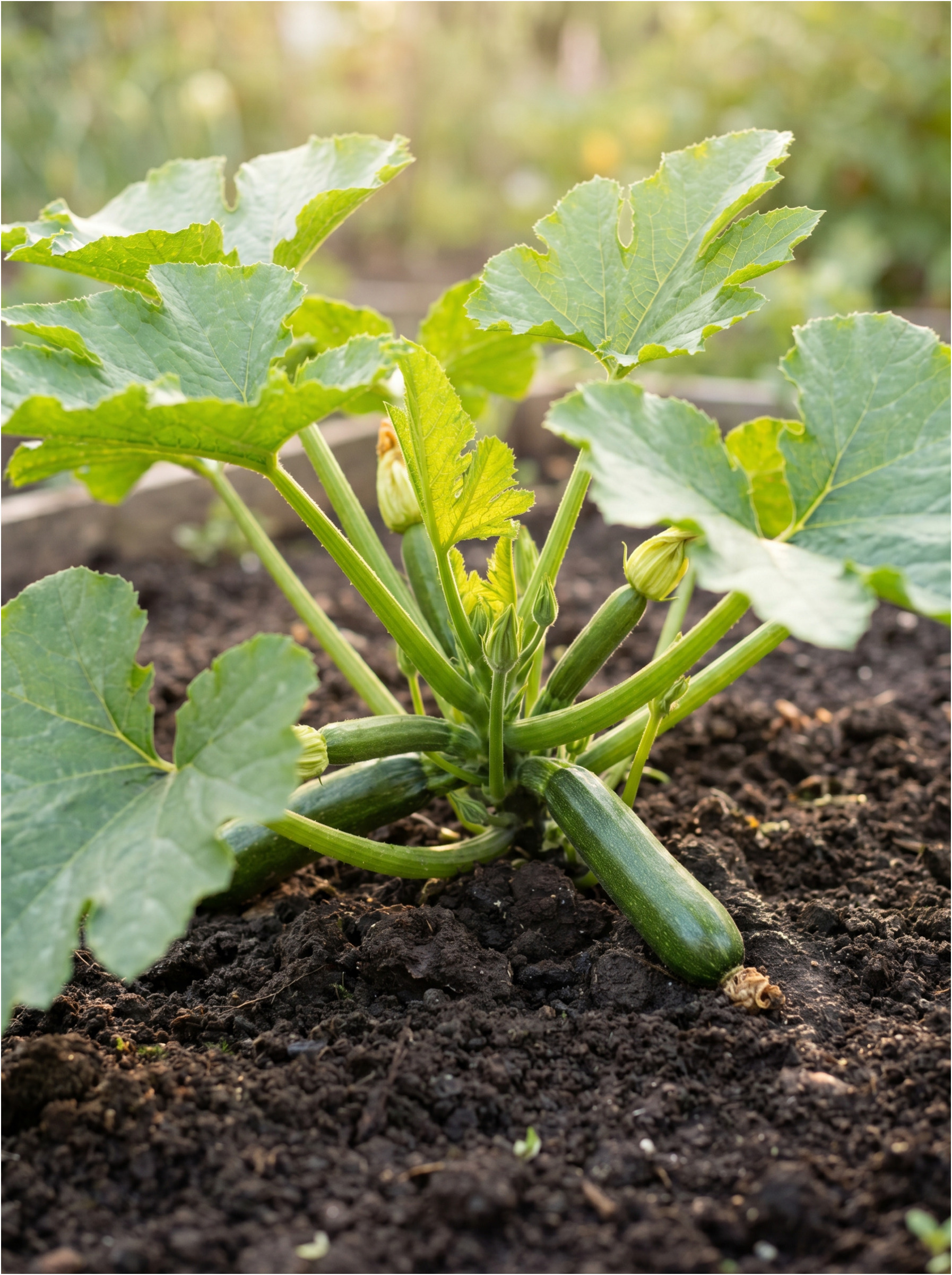
If you have zucchini or pattypan seedlings, they can still give you a nice harvest. These plants grow quickly and, with enough warmth, water, and nutrients, can start producing fairly soon.
They do need space, though. Don’t plant them where they’ll be crowded by other plants. Zucchini may look small at first, but within a few weeks, they’ll produce large leaves and take up a lot of room.
5. Cucumbers for Warm Soil
Cucumbers love warmth. If you have healthy seedlings or suitable conditions for sowing, they can still grow and produce. The most important things are warm soil, regular watering, and a sheltered spot.
Cucumbers don’t handle fluctuations well. If you overwater them once and then let them dry out, it quickly shows on the leaves and fruit. Mulch and watering at the roots (not over the leaves) help.
6. Herbs for Beds and Pots
You can grow herbs almost any time during the season. Basil, coriander, dill, parsley, chives, mint, or lemon balm are suitable for beds, window boxes, or pots. Some grow quickly, others will serve you long-term.
In summer, pay special attention to watering and overheating of pots. Herbs in containers dry out much faster than those in beds. On the other hand, you can keep them handy by the kitchen or on the terrace.
7. Beetroot
Beetroot is a reliable crop that can be sown later, too. You don’t always have to wait for large bulbs. Younger beets can be harvested earlier, are tender, and great for salads, baking, or pickling.
Beets need loose soil and even moisture. If the soil dries out and then gets a heavy watering, the bulbs may grow unevenly. Keep the sowing moist, especially until they sprout.
8. Carrots for a Later Harvest
Carrots can be sown later, especially if you want younger roots or a later harvest. The key is finely prepared soil without clumps or stones, so the roots grow straight.
After sowing, the biggest problem is drying out. Carrots germinate slowly and seeds need stable moisture. Covering the bed with light fleece helps retain moisture and protect the sowing.
9. Dill Grows Quickly, But Needs Moisture
Dill is a fast-growing herb you can sow repeatedly. It’s great with cucumbers, potatoes, sauces, and for pickling. In heat, it can bolt quickly, so it’s better to sow smaller batches successively.
Give it moist soil and a bright spot. If you want mostly leaves, harvest regularly and don’t let the plants overgrow.
10. Swiss Chard as a Spinach Alternative
Swiss chard is an excellent leafy green that tolerates warm weather better than regular spinach. You can harvest the leaves gradually and use them in soups, stir-fries, fillings, or as a side dish.
It needs nutrient-rich soil and regular watering. With good conditions, it will produce lush leaves and last in the bed for a long time. Plus, it looks nice even in ornamental-edible gardens.
What to Plant in Empty Spots After the First Harvest
After radishes, early lettuce, or spinach, empty rows often remain. That’s the perfect place to sow more fast-growing crops. Arugula, leafy lettuces, beets, beans, dill, or herbs all work well.
Before sowing again, lightly loosen the soil, remove leftover roots, and add a bit of compost. The soil after the first crop may be depleted and dry, so it’s worth preparing it before sowing again.
What to Watch Out for in the Heat
Summer sowings most often fail due to drought. Seeds start to germinate, then the soil dries out and young plants die. That’s why it’s important to water gently but regularly until the plants are well established.
Garden fleece, light shading, or sowing in the evening can help. Don’t water the bed with a strong stream after sowing, or you’ll wash out the seeds.
How to Prepare Soil for a Second Wave of Sowing
After the first harvest, the soil is often compacted, dry, or depleted. Before sowing again, loosen the surface, remove weeds, and work in a bit of well-rotted compost. Then water the bed well and only then sow.
There’s no need to over-fertilize. With fast crops, gentle support is often better than a heavy dose of nutrients. Too much nitrogen can make leafy greens grow lushly, but not always with better quality.
When Not to Plant
Don’t plant into hot, dry, and hard soil without preparation. Seeds would germinate poorly and seedlings would be unnecessarily stressed. Also avoid planting in the hottest part of the day.
If several extremely hot days are coming, wait or protect the sowing well. It’s better to start a few days later with good preparation than to sow in conditions where everything will dry out.
The Most Common Mistakes When Planting Later
- Sowing into dry and unprepared soil.
- Irregular watering after sowing.
- Choosing crops that won’t have time to mature.
- Sowing too densely without thinning.
- Planting into overheated containers without protection.
- Forgetting to add compost after the first harvest.
- Watering with a strong stream that washes out seeds.
Quick Overview: What Else to Try
- Quick harvest: radishes, arugula, leafy lettuces, dill.
- Summer crops: beans, zucchinis, cucumbers from seedlings.
- Root vegetables: beetroot, young carrots.
- Herbs: basil, coriander, parsley, chives, mint.
- Leafy greens: Swiss chard, mizuna, lamb’s lettuce later in the season.
Don’t Let Your Bed Go to Waste
It’s still not too late to plant if you choose the right crops and adapt your care to the weather. Summer sowings mainly need moisture, light soil, a bit of nutrition, and protection from the hottest sun. If your sowing succeeds, you can harvest during summer or even extend the season into autumn.
You don’t have to fill the whole garden at once. Just a small row of arugula, a few beans, some herb seedlings, or an empty spot after lettuce used for beetroot. Each such spot can bring another harvest instead of being overtaken by weeds.
You can try radishes, arugula, leafy salads, beans, dill, beets, young carrots, Swiss chard, or some herbs. It always depends on the weather, soil, and length of the season in your area.
Most often due to drought and overheated soil. Seeds need stable moisture. Sowing in the evening, gentle watering, and light covering with non-woven fabric can help.
If you have strong seedlings and warm enough weather, they may still have time to grow and produce. However, they need warmth, space, regular watering, and nutrient-rich soil.
You can plant arugula, leafy salad, beans, beets, dill, or herbs in the vacant space. Before sowing, loosen the soil and add some compost.
Wait if the soil is hot, hard, and completely dry, or if several extremely hot days are coming. It’s better to prepare the soil, water it, and sow in the evening or before milder weather.