
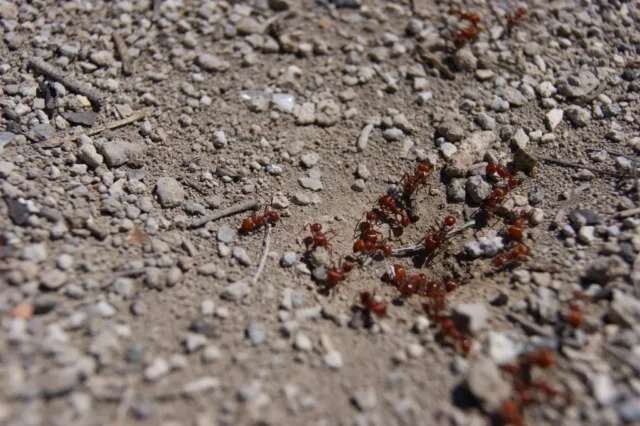
Ants in the garden are not always the enemy. They help aerate the soil and get rid of small insects, but in greenhouses, flower pots, or around plants infested with aphids, they can cause trouble. One of the simplest home tricks is to use dried coffee grounds. It’s not a miracle cure for all ants, but as a cheap and gentle aid, it can be quite effective in some cases.
Coffee grounds are among the home remedies that have been used in gardens for years. They are left over from your morning coffee, cost nothing, and can be used around garden beds, flower pots, or places where ants often crawl. Their strong aroma and texture can disrupt ant trails and deter some ants from crossing the treated area.
However, it’s fair to say one important thing: coffee grounds usually don’t wipe out ants. They mostly make their paths less pleasant, temporarily mask their scent trails, and may force them to find another route. If you have a large anthill in your garden or ants keep coming back because of aphids, coffee grounds alone probably won’t be enough.
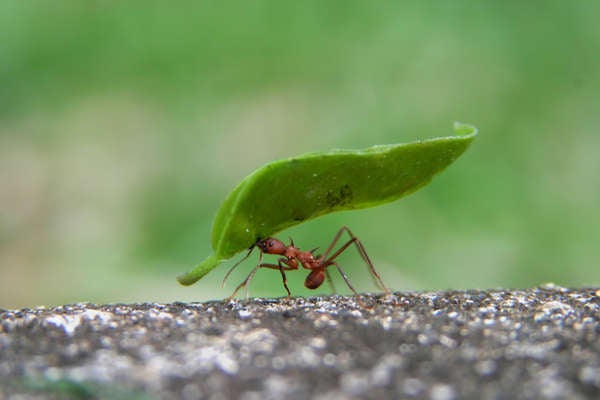
Why Do Ants Stay Near Plants?
When you see ants running around roses, currants, peppers, or other plants, it doesn’t necessarily mean they’re damaging the plant themselves. They’re often attracted by the sweet honeydew secreted by aphids and other sap-sucking pests. Ants feed on this sweet liquid and may even protect aphids from natural predators.
That’s why it’s important to take a good look at the plant. If the leaves are curling, the surface is sticky, or there are small colonies of pests on the underside of the leaves, the problem isn’t just ants. In that case, you need to deal with the aphids first.
When Can Coffee Grounds Help Against Ants?
Coffee grounds are mainly useful as a simple preventive measure or a temporary barrier. You can try them wherever ants regularly travel, such as around the edge of a garden bed, near flower pots, at the entrance to a greenhouse, or around places where you don’t want them making paths.
They work best when you use them at the very first sign of ants. If there’s already a large anthill in the bed or the plants are full of aphids, consider them more as a supplement to other measures.
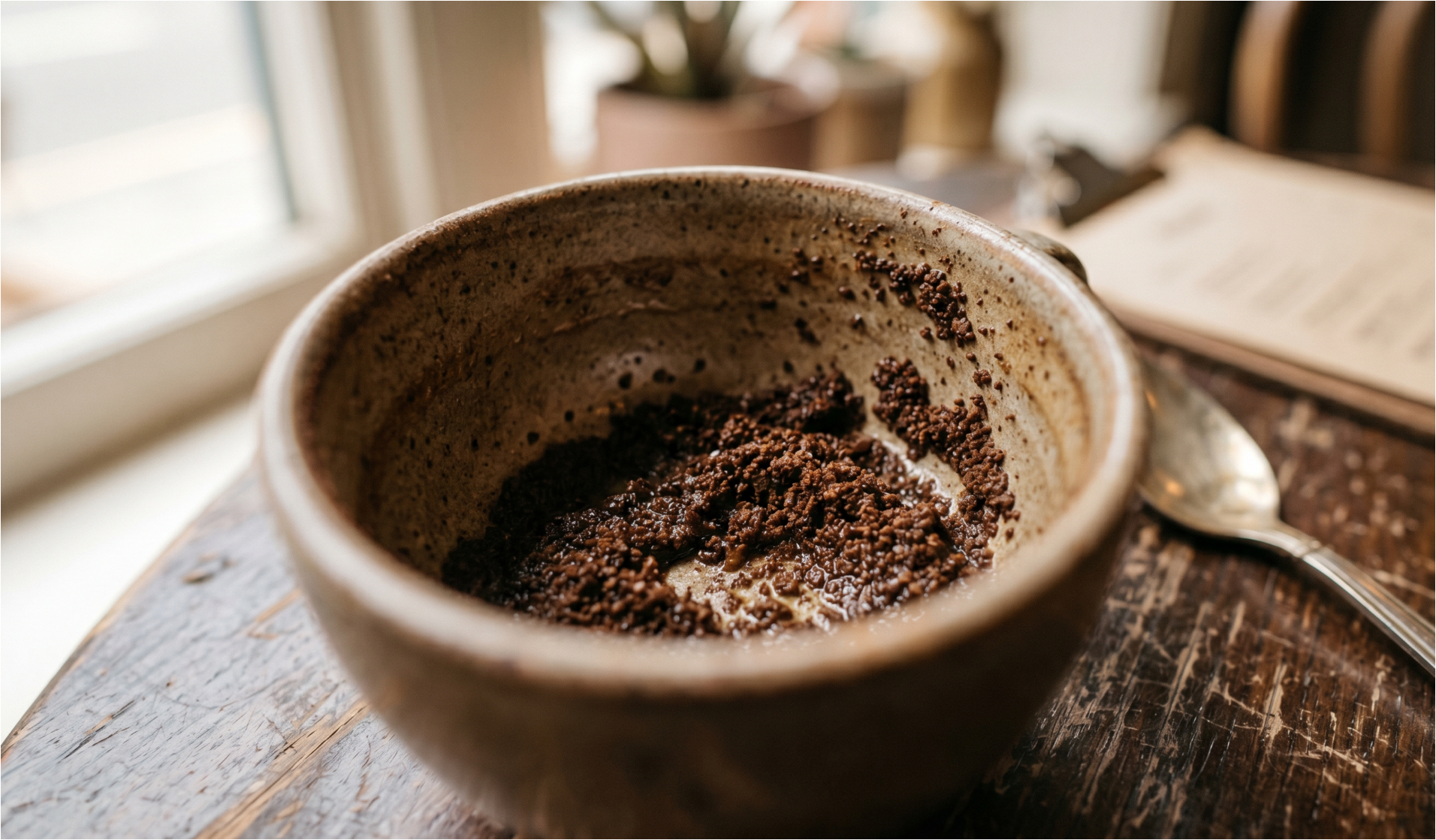
How to Use Coffee Grounds Properly
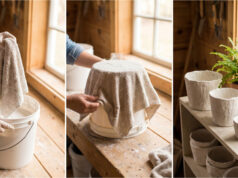
The most important thing is to dry the grounds first. Wet grounds can get moldy, form clumps, and in thick layers, reduce air access to the soil. Dried grounds are easier to sprinkle and last longer on the surface.
- After drinking your coffee, spread the grounds in a thin layer on a plate or baking tray.
- Let them dry thoroughly.
- Sprinkle a thin line around places where ants walk.
- For plants, apply them around the base, not directly to the stem.
- After rain or watering, renew the layer.
Where Not to Sprinkle Them?
Don’t apply large amounts of grounds directly to the stems of young seedlings. Sensitive plants may struggle with a wet, compacted layer at the base. Be careful also in flower pots, where space is limited and the substrate can easily become waterlogged.
If you have plants in containers, use only a small amount on the surface or around the area where ants crawl. As soon as the grounds start to clump or mold, remove them.
Do Coffee Grounds Benefit the Soil?
Coffee grounds contain organic matter and nutrients, so in small amounts they can be useful as a supplement to compost or soil. However, they’re not a complete fertilizer and shouldn’t be used as a thick layer of mulch.
Oregon State University Extension recommends working about half an inch of grounds into the soil to a depth of several inches, or if using as mulch, covering them with leaves or bark to prevent the surface from drying out and repelling water. The safest way is to add grounds mainly to compost.
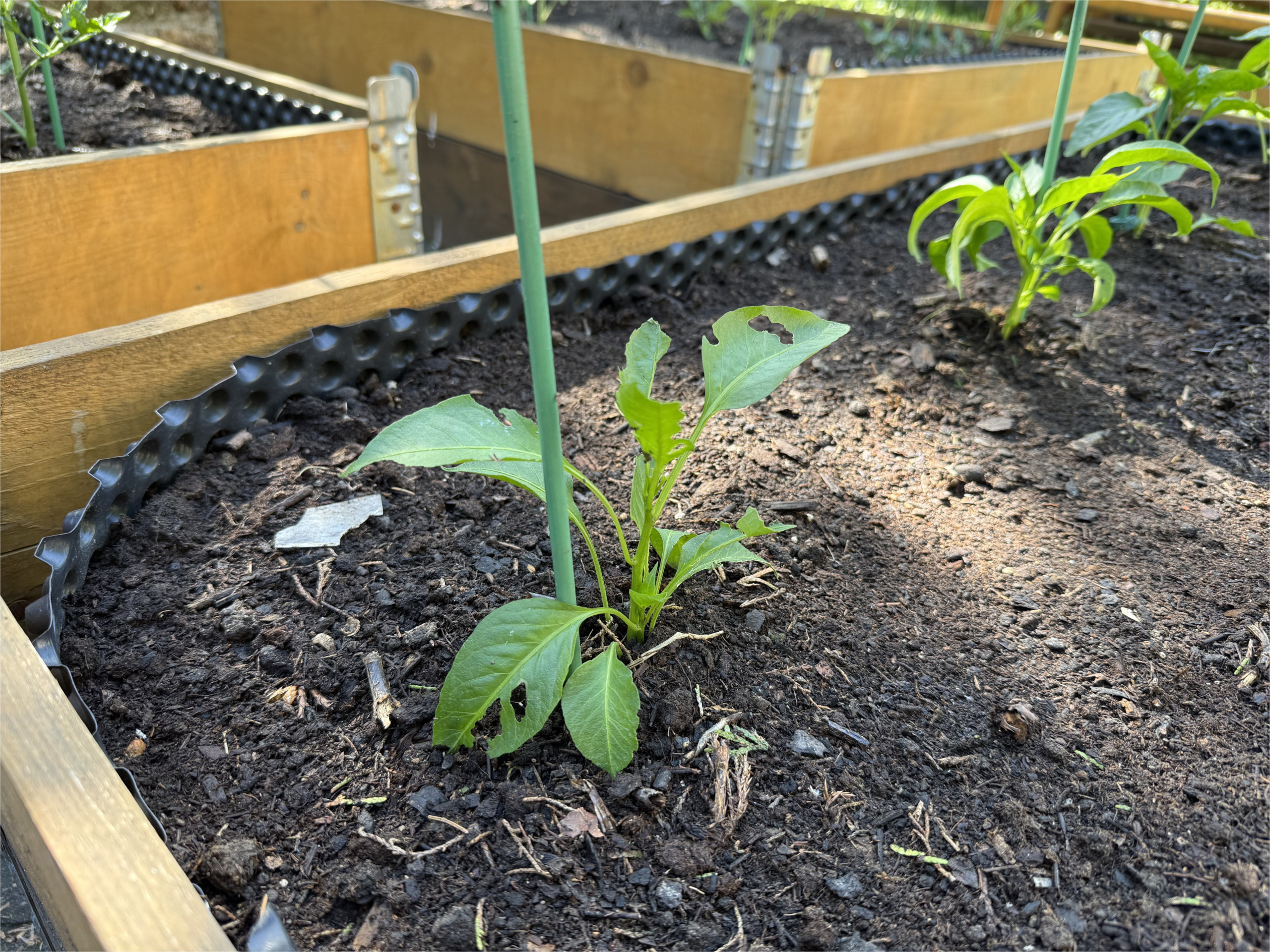
If There Are Aphids with the Ants, Deal with Them First
If ants are running up and down the plant, check the young shoots and the underside of the leaves. Aphids often sit right there. The plant may have curled leaves, sticky surfaces, or black coatings on the honeydew.
If there are only a few aphids, you can wash them off with a strong stream of water or remove them by hand. The University of Minnesota Extension recommends physically washing aphids off with a stronger stream of water, which also helps remove the honeydew.
If aphids are on roses, peppers, cucumbers, or currants, check again for several days in a row. Once you get rid of the aphids and honeydew, ants often lose their reason to stay on the plant.
What Else to Try Against Ants?
Besides coffee grounds, the main thing is to disrupt ant trails and remove the reason they’re there. Indoors, scent trails are often the issue; outdoors, it’s food sources, aphids, overripe fruit, or food scraps.
- Remove fallen fruit and sweet food scraps.
- Check plants for aphids.
- Keep the area around the greenhouse clean.
- Regularly disrupt ant trails.
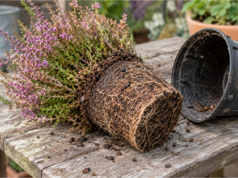
- For flower pots, check if ants have settled directly in the substrate.
- Treat heavily infested plants against aphids first.
When Is a Home Trick Not Enough?
Home remedies have their place, but they’re not all-powerful. If ants are undermining roots in flower pots, are present en masse in the greenhouse, or repeatedly protect aphids on plants, coffee grounds alone probably won’t solve the problem.
In that case, it’s better to combine several steps: remove aphids, disrupt trails, block access to sweet sources, and only then use grounds as an additional barrier.
Most Common Mistakes When Using Coffee Grounds
- Sprinkling wet grounds directly at the stems,
- Using too thick a layer,
- Expecting grounds to eliminate the entire anthill,
- Ignoring aphids on plants,
- Not renewing the layer after rain,
- Using too much in a small flower pot.
Is This Grandma’s Trick Worth Trying?
Yes, but with reasonable expectations. Coffee grounds are cheap, available, and when used properly can help limit ant movement in selected areas. However, they won’t always outperform commercial products and won’t solve every situation.
You’ll get the best results if you use them early, in a thin layer, and also check whether ants are being attracted by aphids. In the garden, it’s often not just about the ants themselves, but the whole issue of weakened plants and sap-sucking pests.
Have you tried coffee grounds against ants? Let us know in the comments if they worked for you in garden beds, greenhouses, or flower pots.
FAQ: Most Common Questions About Coffee Grounds and Ants
Coffee grounds can disrupt the scent trails of some ants and deter them from moving through the treated area. However, they usually do not eliminate them and may not work on large ant colonies. Consider it a cheap home remedy, not a guaranteed solution for every invasion.
Yes, it’s better. Wet grounds can mold, clump together, and create a crust on the soil. Spread it in a thin layer before use and let it dry thoroughly.
Sprinkle it in a thin line where you see ant trails, such as around the edge of a flower bed, near pots, at the entrance to a greenhouse, or around plants you want to protect. Do not place it in a thick layer directly against the stem.
They are often attracted by honeydew excreted by aphids. Ants feed on this sweet liquid and may protect aphids from natural predators. Therefore, it is important to check the undersides of leaves and young shoots.
Coffee grounds are not a reliable remedy against aphids. If aphids are present on the plant, it’s better to wash them off with a stream of water, remove them manually, or use an appropriate spray. Only then does it make sense to address the ants that return to them for honeydew.
Yes, but only carefully and in small amounts. In pots, the substrate can easily become oversaturated, and a thick layer of grounds can mold. If it starts to clump or smell, remove it.
Coffee grounds contain organic matter and small amounts of nutrients, but it is not a complete fertilizer. The safest way is to add it to compost or use it in small amounts incorporated into the soil.